Post by : Anees Nasser
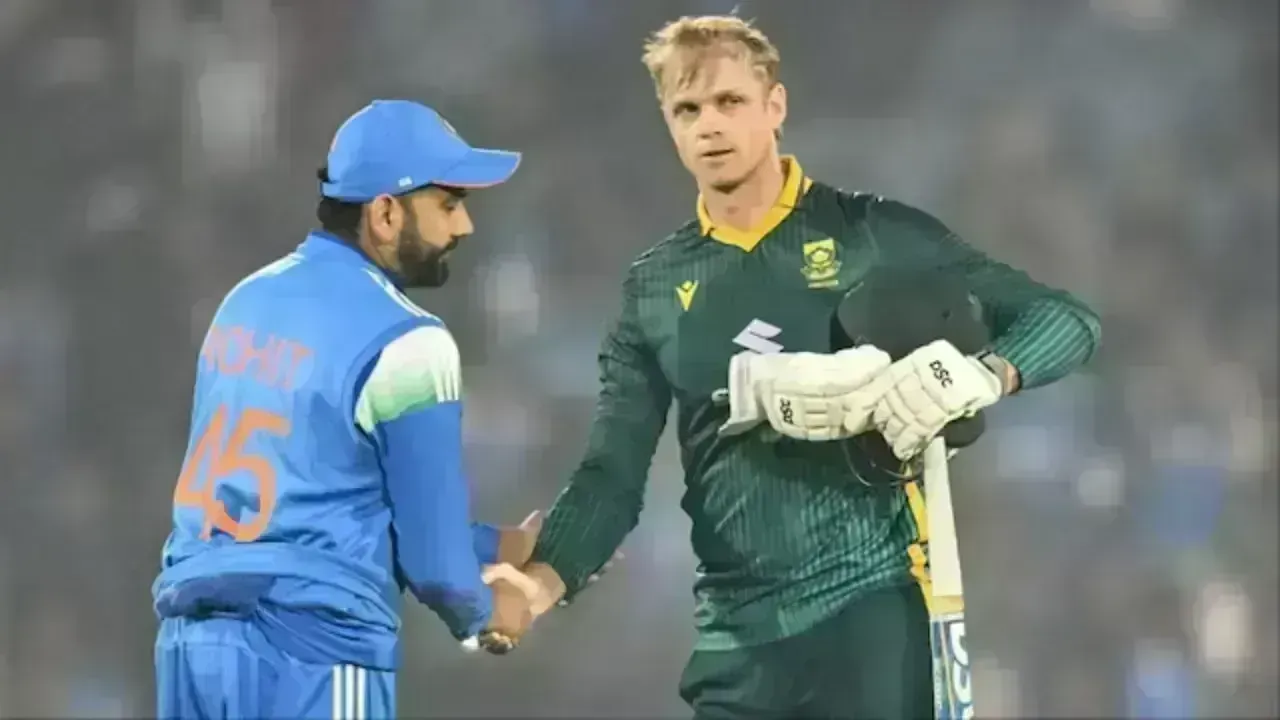
Photo: Screengrab@JioHotstar
The clash between cricketing giants South Africa and India escalated expectations to new heights. However, the excitement of the second One Day International extended beyond mere statistics; it transformed the atmosphere of the series. Entering with confidence, India was pitted against a South African team eager to assert its presence. What developed was a match underpinned by critical moments of tactical awareness and decision-making finesse.
The encounter exemplified the enduring appeal of limited-overs cricket. From the initial deliveries to the tense final overs, the game was consistently thrilling, marked by unexpected feats and an intensity that tested both teams. For spectators and experts alike, the second ODI underscored critical insights about team dynamics and the quest for momentum.
This victory not only thrust South Africa back into the series contention but also sparked discussions about player form and adaptability from both sides. The once one-sided narrative now appears more complex and unpredictable.
Prior to the match, India was under scrutiny as they boasted a record of formidable performances. Every player seemed to contribute to a narrative of dominance. Conversely, South Africa faced calls for restructuring, with their performances under intense review.
Facing high expectations, the onus was on India, where a subpar showing could ignite scrutiny. South Africa's task was straightforward: secure a victory to remain relevant in the series.
The significance of the moment was palpable; the stadium buzzed with excitement, transforming the match from a mere game into a dramatic showdown.
One standout aspect of South Africa’s performance was their poise. They showcased meticulous preparation from the outset, employing timely bowling changes and strategic field placements while allowing batters to make informed decisions.
The South African bowlers maintained pressure by adhering to disciplined lines and variations, compelling Indian batters into discomfort. Dot balls generated frustration, leading to errors in execution—a rare sight for India’s batting order.
Each bowler understood their role within a collective strategy, effectively dismantling India’s batting structure.
Fielding proved pivotal, with South Africa treating it as a key offensive tool. Sharp catches and precise throws kept pressure on India, denying them comfort. Every successful fielding effort fueled their confidence.
Accustomed to dictating play, India faced an unsettling reality in the second ODI; mere reputation doesn’t guarantee victory. While the team had the skillset, key moments saw their decision-making falter.
Despite a robust batting lineup, India struggled to convert starts into substantial contributions. Partnerships, crucial for ODI success, failed to gain traction, with timely wickets disrupting momentum.
The shot selection drew criticism; dismissals often stemmed from impatience or miscalculations, a detrimental cost in a match where discipline was essential.
For India’s bowlers, the task of breaking partnerships became a significant hurdle. South Africa’s batters capitalized on loose deliveries, rotating the strike effortlessly. Adjustments arrived too late for India, costing them crucial chances.
Crucial turning points often dictate match outcomes; in the second ODI, a key partnership coupled with a missed catch underscored India’s misfortune. South Africa exploited this lapse with precision, shifting the game's control.
This match vividly illustrated the importance of leadership in cricket. South Africa's captaincy was marked by decisive actions and clear communication, while India's leadership appeared reactive amid pressure.
Social media erupted soon after the final result. Indian fans voiced their discontent, while South African supporters reveled in a triumphant performance. Analysis from former players and fervent discussions among fans accentuated the match's significance.
With the series poised at a critical juncture, both teams face heightened scrutiny regarding selections and strategies. India will look to bounce back, while South Africa must remain vigilant against complacency.
The second ODI provided greater insights into modern cricket. It reaffirmed the significance of preparation and adaptability. For South Africa, victory rekindled narratives of resilience, while for India, it illuminated areas needing attention.
Ultimately, the second ODI reshaped the series narrative. South Africa’s victory infused emotional stakes, while India’s defeat prompted deeper reflections. As both teams gear up for future battles, the series feels invigorated, heightening anticipation for fans.
Disclaimer:
This article reflects publicly available observations and analyses intended for informational purposes. Views expressed do not represent official statements by any team or governing entity.










Anticipated Dates for UAE Eid Al Adha 2026 Unveiled by Astronomical Experts
Experts predict Eid Al Adha 2026 in the UAE to start on May 27, prompting early holiday planning amo

DAE Achieves Remarkable Growth in Q1 2026 With Record Revenue
Dubai Aerospace Enterprise announces impressive financial results for Q1 2026, reflecting a surge in

Price Increase for Sony PS5 in Southeast Asia Effective May 1
Sony announces a price increase for the PS5 across Southeast Asia starting May 1, 2026, impacting ga

Potential ‘Super El Niño’ in 2026: Understanding the Climate Risks
Could a Super El Niño emerge in 2026? Discover its implications and potential global climate impacts

Global Energy Crisis Intensifies: Markets React to Oil Supply Challenges
Markets are on edge as oil disruptions escalate, influencing prices and economic stability. Explore

Must-See Tourist Spots in London You Can't Overlook
Explore London's essential attractions, from royal landmarks to vibrant markets, ensuring an unforge




