Post by : Anees Nasser
Ice storms stand out as some of the most perilous winter weather phenomena in the United States. In contrast to snowstorms, which mainly involve snowfall, ice storms blanket roads, trees, power lines, and structures with freezing rain, creating thick layers of solid ice. This accumulation can lead to the downfall of tree branches, power outages affecting millions, a halt to travel for days, and staggeringly high economic damages potentially reaching billions. Due to the challenges of predicting freezing rain, which can appear quickly in borderline temperatures, ice storms remain one of winter's most unpredictable threats.
Some of the most destructive ice storms in recent American history have altered community preparations for winter, inspired advancements in meteorological technology, and exposed weaknesses in essential infrastructure. The distinctive characteristic of ice storms lies in their ability to generate heavy, solid ice formations that significantly elevate risks of structural failures and extensive power grid disruptions, marking them as exceptionally damaging.
To determine the severity of ice storms, meteorologists and historians examine several crucial aspects:
Ice Accumulation: Measures the quantity of freezing rain that solidifies upon contact, often quantified in inches.
Duration: The length of time during which freezing conditions persist, allowing ice to amass.
Infrastructure Impact: Evaluates damage to power lines and trees, road closures, and utility failures.
Human Impact: Accounts for fatalities, injuries, and the number of individuals affected.
Economic Loss: Assesses damage costs to infrastructure, homes, businesses, and emergency response expenditures.
These criteria aid in classifying the most devastating ice storms in U.S. history.
One of the earliest recorded significant ice events occurred during the New Year period in 1961 in northern Idaho. Over a span of three days, freezing rain resulted in remarkable ice accumulation — reaching as much as eight inches in certain areas, recognized as one of the heaviest storm accumulations on record. The burden of this ice caused widespread power interruptions and inflicted severe damage on trees and infrastructure.
Although this storm affected a less populous region compared to later events, its effects on small communities were substantial, establishing a precedent for how perilous ice accumulation can be even in more rural locales.
In late January 2000, a debilitating ice storm swept across the southeastern U.S., affecting Alabama, Tennessee, Georgia, and the Carolinas. This freezing rain event struck mere days before a major cultural occasion — the Super Bowl — leaving numerous residents stranded and complicating arrangements for large gatherings.
The storm disrupted travel, resulted in half a million residents losing power (with some outages lasting over a week), and incurred damages exceeding $1.2 billion (adjusted for inflation). The repercussions were widespread across a Southeast ill-prepared for extended ice conditions.
On New Year’s Eve 1978, a severe ice storm impacted north-central Texas, causing perilous conditions across nearly 100 miles. Ice accumulations peaked at two inches across key roadways and urban areas, provoking major traffic disruptions and derailing holiday travel plans.
The storm resulted in widespread utility and tree damage, causing extended power outages. In an area not used to such crippling ice incidents, the aftermath illustrated how swiftly infrastructure can succumb to freezing rain.
In mid-December 2000, a robust ice storm struck a region extending from Texas through Arkansas and into Oklahoma during the Christmas season. Over 500,000 people lost power, and utility officials deemed the impact as one of the most severe in regional memory.
This storm underscored the vulnerability of southern states to winter events, particularly when freezing rain strikes without the thorough preparation customary in cooler northern territories.
January 1994 saw parts of Mississippi gripped by one of the worst ice storms in the state's history. In Clarksdale, the deployment of 200,000 gallons of ice-melting chemicals highlighted the storm’s severity and the struggle to keep highways open.
With ice spreading across main thoroughfares, traffic ground to a halt, damaging trees and disrupting business operations. This storm served as an urgent reminder of the resilience required in southern states against these heavy ice burdens.
At the end of January 2009, relentless freezing rain enveloped northern Arkansas and Kentucky, resulting in ice thickness exceeding two inches in certain locales. This significant buildup crippled transportation systems, toppled utility poles, and brought down trees — blocking critical roads and immobilizing areas for days.
State officials in Kentucky described it as the worst weather event in recent state history, mobilizing the National Guard to assist. The widespread impact inflicted some of the most extensive tree and utility damage seen in years.
Known as one of the most costly ice events of its time, the Great Ice Storm of 1951 spanned from Louisiana through Tennessee into parts of the Ohio Valley. Significant ice accumulation led to massive losses in livestock, timber, and crops, alongside widespread destruction of electrical infrastructure and prolonged power outages.
The damages from this storm exceeded $100 million (in historical financial terms) and is still regarded as a leading destructive mid-century ice event recorded in U.S. history.
A severe ice storm in December 2008 affected large sections of the Northeastern U.S., reaching metropolitan areas from Upstate New York through New England. Over 1.7 million people lost power, as fallen utility wires and poles coated in ice obstructed roads and caused profound infrastructural damage.
This storm was recognized as the most severe ice episode in the region in over two decades, leading to delays in service restoration and widespread travel disruptions across major urban areas.
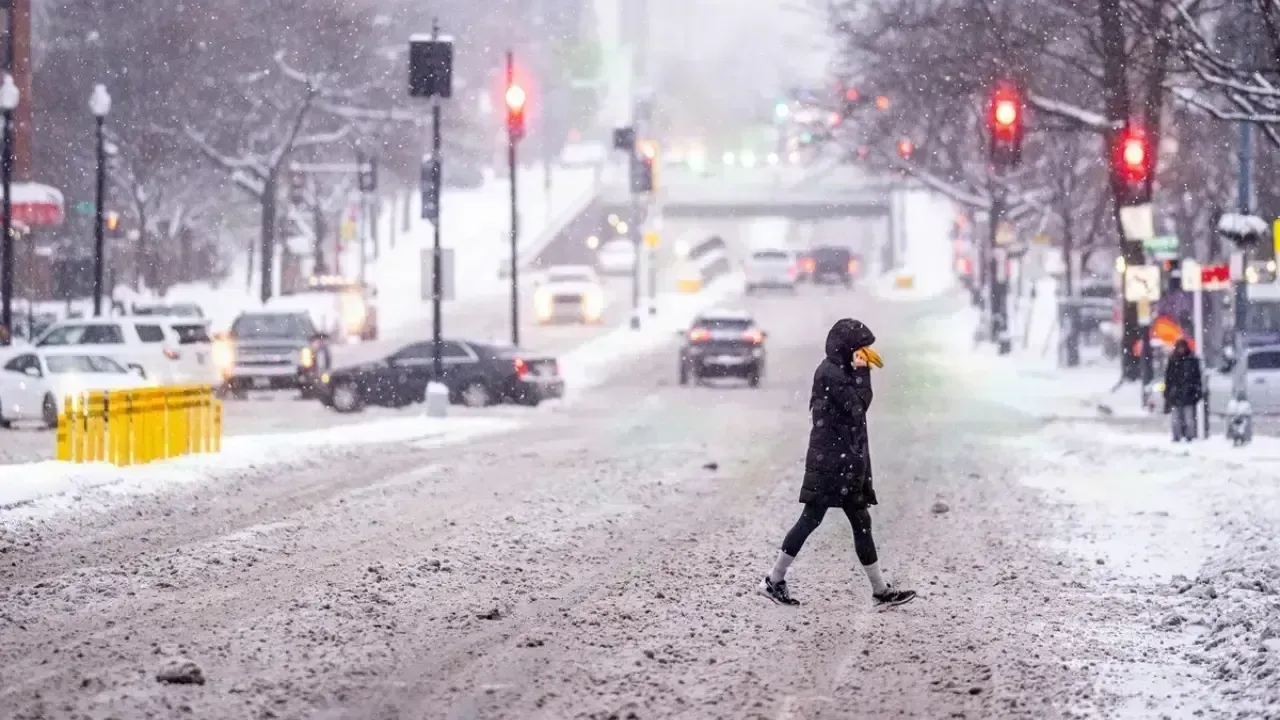
Though assessments of its post-event severity continue, the late January 2026 winter storm — named Winter Storm Fern — is recognized as one of the most impactful ice storms in recent American memory. It produced extensive freezing rain, formidable ice layers, and prolonged cold spells across over 30 states, from the Deep South to the Northeast. Major power outages surpassed one million customers, and travel disruptions afflicted air and ground transport extensively.
Emergency declarations spanned multiple states, with the depth of ice and snow impacting essential services and energy demands at unprecedented levels across various regions. The storm exemplified the increasing severity of modern climate patterns, provoking large-scale winter events that have catastrophic implications.
Although historically significant ice storms took place in the early 20th century and mid-century, modern records consistently identify a blend of the 2000 Atlanta event and the extensive January 2026 storm as among the most severe ever documented, based on power outages, geographic spread, and economic repercussions. The particulars shift by region and historical evaluation methodologies, yet collectively they showcase the peak of devastation witnessed in U.S. climate history.
Experts suggest that once ice accumulation surpasses standard thresholds — typically a quarter-inch or more — the likelihood of emergencies increases, leading in extreme situations to outages lasting several days and cascading failures of infrastructure across jurisdictions that were previously unprepared.
Ice storms are not mere relics of bygone times; they continue to reshape how communities, utilities, and governments ready themselves for winter weather challenges. The extensive damage these events inflict — especially in areas unaccustomed to significant icing — emphasizes the need for:
Improved forecasting instruments and early warning systems
Reinforcing utility infrastructure and tree maintenance initiatives
Public education on winter readiness and personal safety
Regional collaboration for emergency management and shelter resources
Climate scientists also warn that shifts in atmospheric patterns may lead to increased instances of rapid freezes and moisture events, making proactive strategies vital for minimizing both human and economic impacts.
Disclaimer: This article is drawn from historical weather research and current reporting on winter storms. It is intended for educational and informational purposes and does not replace professional advice on climate or disaster readiness.








Meta Unveils Subscription Plans for Instagram, Facebook, and WhatsApp
Meta introduces new subscription plans for users of Instagram, Facebook, and WhatsApp, featuring enh

Suvarna Joy on Education Leadership, Resilience, and Building Purpose Through Adversity in the UAE
Suvarna Joy shares her journey of education leadership, motherhood, faith, and resilience within the

Anticipated Dates for UAE Eid Al Adha 2026 Unveiled by Astronomical Experts
Experts predict Eid Al Adha 2026 in the UAE to start on May 27, prompting early holiday planning amo

DAE Achieves Remarkable Growth in Q1 2026 With Record Revenue
Dubai Aerospace Enterprise announces impressive financial results for Q1 2026, reflecting a surge in

Price Increase for Sony PS5 in Southeast Asia Effective May 1
Sony announces a price increase for the PS5 across Southeast Asia starting May 1, 2026, impacting ga

Potential ‘Super El Niño’ in 2026: Understanding the Climate Risks
Could a Super El Niño emerge in 2026? Discover its implications and potential global climate impacts




