Post by : Shakul
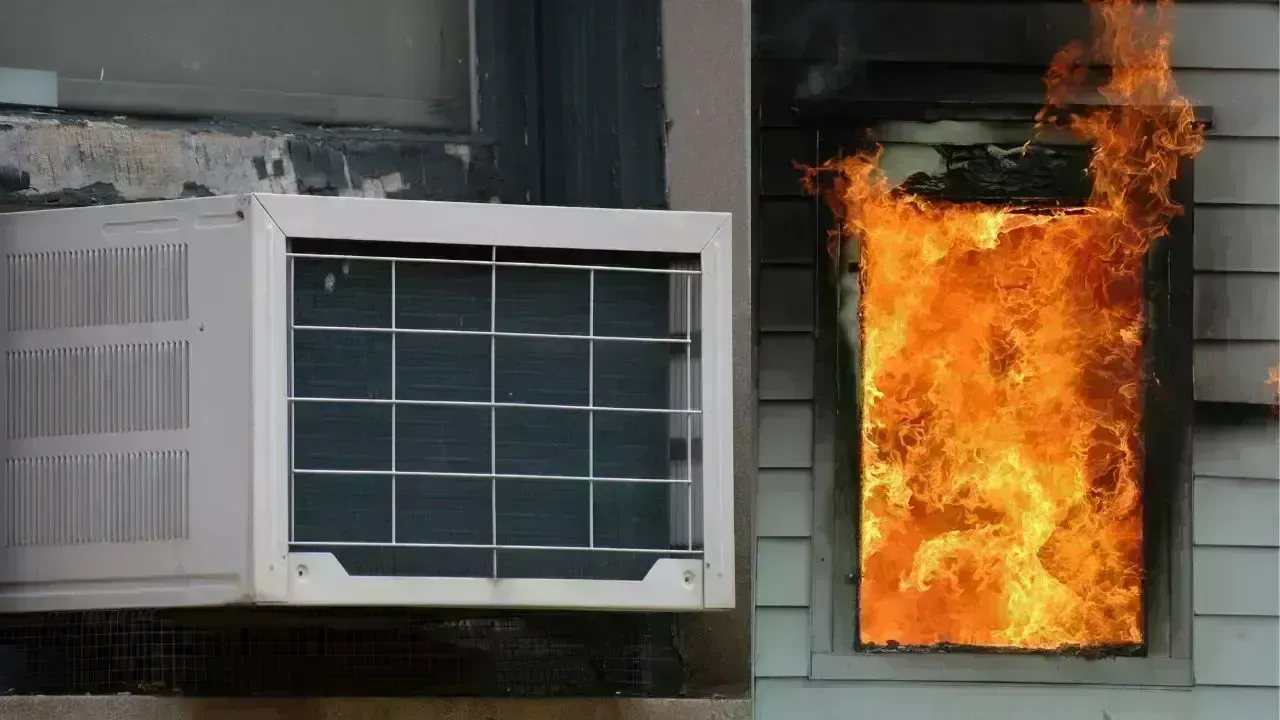
The unfortunate passing of Dhanendra Kumar, the first chairman of the Competition Commission of India and a former IAS officer, has ignited fresh discussions on the growing hazards associated with air-conditioning units during intense summer conditions. This tragic event transpired at his home in Hauz Khas, Delhi, where a suspected fire linked to an air-conditioning unit erupted, resulting in a fatal outcome. Authorities suggest that smoke inhalation was the main cause of death, while another family member is currently hospitalized due to injuries.
As northern India experiences soaring temperatures, many households are reliant on air-conditioning systems for relief. Experts caution that excessive and prolonged use can stress these units, leading to overheating risks and potential electrical failures. During peak heat periods, compressors are often overworked, making them susceptible to breakdowns without regular maintenance.
Electrical issues remain a leading cause of urban fires. Fire safety officials indicate that a considerable number of fire incidents in major cities stem from short circuits, overloaded electrical wiring, defective connections, and malfunctioning devices. Air-conditioners, due to their significant energy demands, become particularly risky when connected to outdated electrical systems that cannot support heavy usage.
Voltage fluctuations are another pressing issue during high electricity demand periods. Abrupt increases or drops in voltage can harm sensitive AC components, causing additional stress on compressors. Specialists recommend the use of voltage stabilizers and surge protectors to mitigate these hazards and enhance appliance safety.
Leaks from refrigerant gases can also hazardous for air-conditioning units. If gas escapes through damaged components, the unit must exert more effort to maintain its cooling efficiency, resulting in overheating and possible electrical failures. Warning indicators encompass reduced cooling output, abnormal sounds, ice build-up, and warm air blowing from vents.
Inadequate maintenance is another vital concern contributing to many AC-related incidents. Clogged air filters can limit airflow and force the system to draw more energy, leading to elevated temperatures. Over time, aging insulation, loose wires, and deteriorating electrical connections increase the risk of sparks and short circuits. Safety experts recommend regular servicing, especially in the lead-up to and during summer.
Experts urge users to be vigilant for warning signs such as burning smells, smoke, unusual noise, inconsistent cooling, or frequent shutdowns. Immediate consultation with a qualified technician is crucial upon noticing such symptoms. This Delhi incident serves as a stark reminder that air-conditioning systems require consistent maintenance and responsible operational practices. Basic preventive measures, including filter cleaning, electrical checks, outdoor unit maintenance, and setting temperatures to between 24 and 26 degrees Celsius, can significantly lower fire risks and enhance household safety in extreme heat.










Meta Unveils Subscription Plans for Instagram, Facebook, and WhatsApp
Meta introduces new subscription plans for users of Instagram, Facebook, and WhatsApp, featuring enh

Suvarna Joy on Education Leadership, Resilience, and Building Purpose Through Adversity in the UAE
Suvarna Joy shares her journey of education leadership, motherhood, faith, and resilience within the

Anticipated Dates for UAE Eid Al Adha 2026 Unveiled by Astronomical Experts
Experts predict Eid Al Adha 2026 in the UAE to start on May 27, prompting early holiday planning amo

DAE Achieves Remarkable Growth in Q1 2026 With Record Revenue
Dubai Aerospace Enterprise announces impressive financial results for Q1 2026, reflecting a surge in

Price Increase for Sony PS5 in Southeast Asia Effective May 1
Sony announces a price increase for the PS5 across Southeast Asia starting May 1, 2026, impacting ga

Potential ‘Super El Niño’ in 2026: Understanding the Climate Risks
Could a Super El Niño emerge in 2026? Discover its implications and potential global climate impacts




