Post by : Anees Nasser
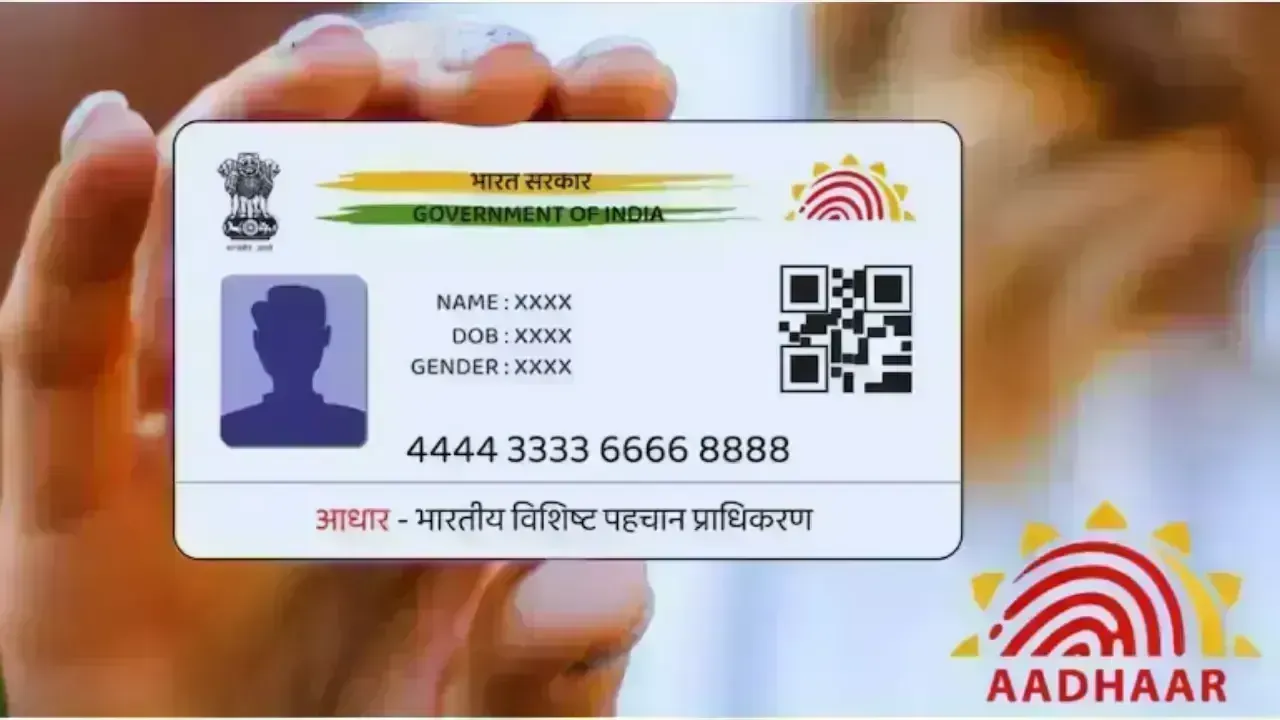
The Aadhaar system remains crucial in India’s digital governance landscape, facilitating various aspects from welfare delivery to financial verification. The recent updates to the Aadhaar-linked norm have recaptured public interest, raising essential discussions concerning privacy, inclusivity, and compliance.
This new regulation comes with immediate consequences for countless individuals. It influences everything from banking access to government aid, digital services, and identity verification—signaling a significant move towards a more cohesive digital framework. Grasping its nuances is vital for all stakeholders.
The core of the revised rule emphasizes stricter requirements for linking Aadhaar to essential services and databases. This update establishes clear timelines, compliance requirements, and standardizations for Aadhaar-based verification procedures across sectors.
The primary goal is to curb duplication, counter multiple identities, and guarantee that services are directed to their rightful recipients. Authorities believe that tighter linkage fosters accountability and reduces inefficiencies in public systems.
Previously, linking Aadhaar was often depicted as a choice for various services. The current rule narrows down these options, positioning Aadhaar as the main verification mechanism.
This modification establishes clear compliance deadlines. Failing to meet these timelines may lead to temporary service suspension until verification is achieved.
The rule aids government bodies by streamlining record-keeping and data management, enabling expedited processing of applications and benefits.
Eligible individuals connected through Aadhaar enjoy quicker and more precise transfers of benefits, minimizing delays caused by identity discrepancies.
Banks and regulated entities gain from improved verification protocols that enhance operational efficiency by facilitating quicker onboarding processes.
For those familiar with digital platforms, this rule simplifies personal documentation, expediting approvals and enhancing access to services.
Linking Aadhaar consolidates identification processes, mitigating the repetitive submission of identity proofs and optimizing interactions with institutions.
Individuals lacking smartphones, reliable internet, or digital skills may find it challenging to meet Aadhaar linkage deadlines.
Elderly citizens and migrant workers may encounter barriers when updating Aadhaar details due to mobility and documentation issues.
Biometric inconsistencies or outdated demographic data might create verification hurdles, momentarily restricting access to necessary services.
Accounts linked to Aadhaar may experience limitations if the verification process isn’t complete, affecting transactional capabilities and benefit allocations.
While the rule benefits lending risk assessments, it could inadvertently postpone credit access for those facing verification obstacles.
Direct benefit transfers become more targeted, reducing redundancies and ensuring that funds reach their appropriate recipients.
Individuals unable to finalize Aadhaar linkage promptly might face interruptions in services despite being eligible for them.
Critics argue that increased Aadhaar integration could intensify data centralization risks, leading to issues of surveillance and misuse.
Authorities assert that stringent legal frameworks are in place to ensure personal data safety, yet public confidence hinges on transparent implementations.
Judicial bodies have underscored the necessity of balancing administrative efficiencies with individual rights concerning Aadhaar usage. This new norm will invite scrutiny under this framework.
Any mandate for linkage that lacks sufficient alternatives may be subject to legal challenges, particularly if it leads to exclusions.
With numerous users striving to link Aadhaar simultaneously, ensuring system stability becomes paramount—past incidents suggest that technology readiness is crucial.
Physical service centers and assisted verification modes are vital for inclusive participation, especially in rural and semi-urban settings.
Companies mandated to verify users via Aadhaar face the burden of enhancing their systems, training personnel, and adhering to regulations.
On the upside, improved verification processes help mitigate fraud and cultivate greater trust between platforms and users.
This rule underscores an ongoing challenge in digital governance: while efficiency improves, accessibility risks falling behind if inclusion is overlooked.
Many difficulties arise not directly from the rule, but from ineffective communication. Ambiguities related to timelines and procedures foster public concern.
Individuals ought to confirm that their Aadhaar is linked with vital services to avoid last-minute complications.
Maintaining accurate biometric and demographic data can help prevent verification issues.
Those unfamiliar with digital procedures are encouraged to utilize authorized centers or other supported methods for compliance to avert delays.
This new Aadhaar-linked norm is probably just the beginning. It foreshadows a future where digital identity holds significant weight in governance and service provision.
Future regulations must incorporate robust inclusion strategies to ensure no eligible citizen is inadvertently overlooked due to technical or procedural constraints.
As linkage expands, the distinction between voluntary and obligatory begins to blur, initiating discourse around meaningful choice.
Ultimately, public embrace hinges on trust—trust that personal data is secure, processes are equitable, and any exclusions are swiftly rectified.
The recently updated Aadhaar-linked rule embodies India’s goal of forging a transparent, efficient, and digitally enhanced framework. For some, it eases access; for others, it presents new challenges necessitating prompt responses.
The rule’s success will depend on thoughtful execution. Effective grievance mechanisms, accessible support, and clear communication will influence whether benefits genuinely outweigh drawbacks. As the framework progresses, the objective must remain clear: technology should empower citizens rather than hinder them.
This content is intended solely for informational purposes and is not legal, financial, or policy advice. Rules regarding Aadhaar linkage are subject to change, and readers should rely on official communications or authorized service providers for the most accurate and current information.










DAE Achieves Remarkable Growth in Q1 2026 With Record Revenue
Dubai Aerospace Enterprise announces impressive financial results for Q1 2026, reflecting a surge in

Price Increase for Sony PS5 in Southeast Asia Effective May 1
Sony announces a price increase for the PS5 across Southeast Asia starting May 1, 2026, impacting ga

Potential ‘Super El Niño’ in 2026: Understanding the Climate Risks
Could a Super El Niño emerge in 2026? Discover its implications and potential global climate impacts

Global Energy Crisis Intensifies: Markets React to Oil Supply Challenges
Markets are on edge as oil disruptions escalate, influencing prices and economic stability. Explore

Must-See Tourist Spots in London You Can't Overlook
Explore London's essential attractions, from royal landmarks to vibrant markets, ensuring an unforge

Ultimate Guide to Snagging Cheap Flights in 2026
Unlock the secrets to booking affordable flights in 2026 with insightful tips and strategies tailore




