Post by : Samir Nasser
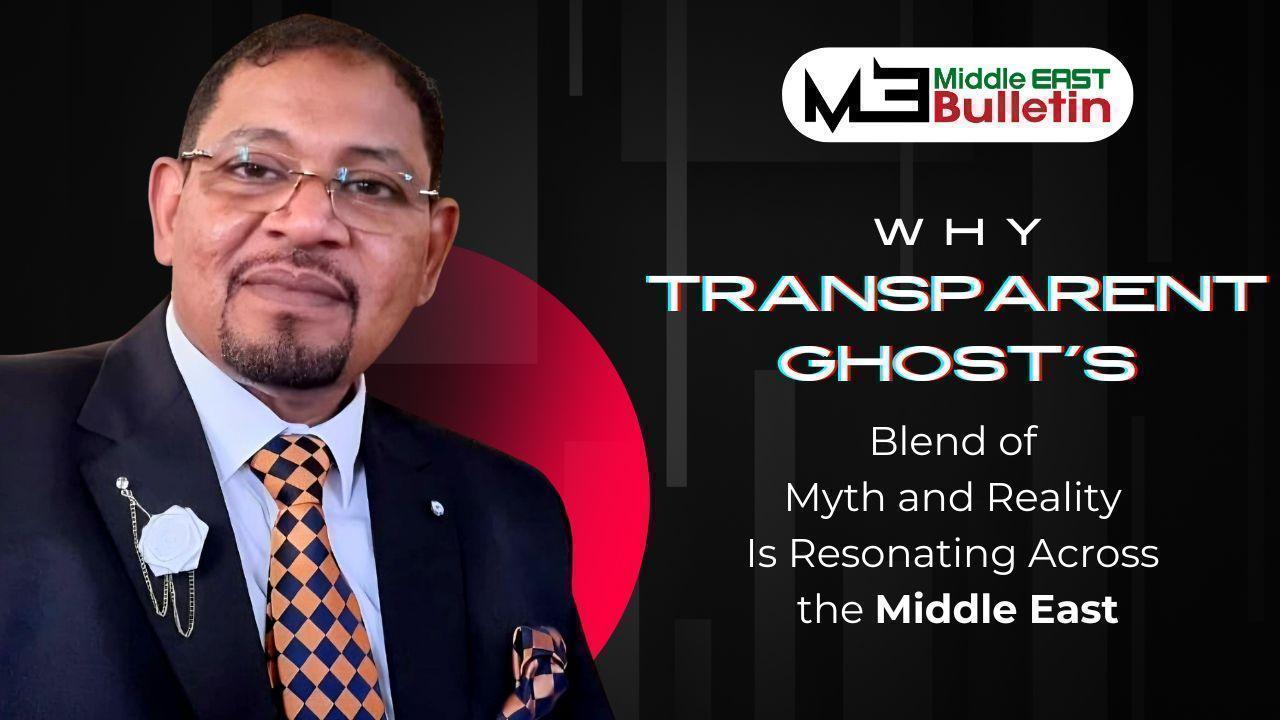
Some stories begin on the page — others begin in the hearts of those who read them. Transparent Ghost, the latest novel by Osama Regaah, has become one of those rare books whose life truly starts after it leaves the author’s hands. In recent weeks, readers from the UAE to Saudi Arabia, Oman, Bahrain, and beyond have embraced the novel in a way that goes far beyond casual reading. It has sparked intimate reflections, deep conversations, and a wave of emotionally rich interpretations across the region, marking its place in the evolving fabric of modern Arabic literature.
One of the strongest reasons the novel is gaining momentum within the Middle East is its unique blend of mythic undertones and realistic human struggles. The narrative moves between the physical world and a quiet metaphysical space where memory becomes a form of justice, and the unseen carries emotional truth.
Readers from across the region describe the book as a doorway — not only into a fictional world, but into parts of themselves they often keep hidden. Transparent Ghost invites them to revisit old fears, unresolved memories, and moments of courage that shaped their identity. This emotional familiarity has allowed the book to resonate deeply across multiple cultures and generations in the Arab world.
The novel does not rush toward answers. Instead, it leaves space for contemplation, mirroring a storytelling tradition long rooted in Arabic culture — one where silence, symbolism, and inner reflection hold as much meaning as spoken words.
Another major reason for the book’s growing impact is the emotional and symbolic weight carried by its characters. Each one represents a different facet of human experience — fear, resilience, vulnerability, corruption, and the quest for truth — making them relatable to readers across the Middle East.
Afia has quickly become one of the most discussed characters. Middle Eastern readers relate to her fragile yet courageous presence, seeing in her the struggles of countless individuals navigating difficult circumstances with grace and inner strength. Her journey resonates strongly with women and men who recognize her blend of vulnerability and bravery.
Faris, whose life revolves around the sea, strikes a chord with readers from coastal nations such as the UAE, Oman, Bahrain, and Kuwait. His battles, both internal and external, mirror the lives of those who have long been shaped by the unpredictable nature of the ocean — fishermen, sailors, divers, and maritime workers. Readers see him as a tribute to their history, their risks, and their resilience.
Masoud’s mysterious presence continues to provoke debate. Some see him as a shadow of society’s darker truths; others interpret him as the embodiment of the unknown within each of us. His ambiguity gives the novel a psychological dimension that keeps readers coming back to reinterpret his role.
Grounding the story is Ahmed Al Maghrabi, whose fight against corruption feels particularly relevant within the region. His narrative ties the mystical elements of the novel to contemporary issues that Middle Eastern readers recognize clearly — power, injustice, moral dilemmas, and the courage required to confront them.
Readers throughout the Middle East have also connected with the novel’s literary voice. The writing is rich with symbolism, poetic in tone, and emotionally layered — qualities often celebrated in classical and Modern Arabic storytelling. The language feels familiar yet fresh, encouraging readers to pause, reflect, and even reread passages that feel spiritually or philosophically charged.
Many describe the book as one that “stays with you,” urging them to explore its deeper meanings long after they’ve reached the final page. This lingering effect is fueling conversations across social circles, online forums, and book communities, further expanding its reach.
What makes Transparent Ghost especially powerful in the Middle Eastern context is how it has transformed from a novel into a shared emotional space. Readers from different countries, backgrounds, and age groups are discovering the same quiet echo within its pages — a feeling of being understood, challenged, or gently reminded of the fragile truths that shape human life.
The book has sparked heartfelt discussions between strangers, inspired thoughtful reviews online, and encouraged people to pass the novel to friends or family members. It has become a cultural conversation, not just a literary one.
As the readership continues to grow, one thing is becoming increasingly clear: Transparent Ghost is not simply being read in the Middle East — it is being felt. Deeply. Personally. Collectively.
Its blend of myth and reality, its emotional honesty, and its symbolic storytelling reflect the region’s long-standing relationship with literature that speaks to both the heart and the soul. In many ways, the novel’s real journey is only beginning. And as more readers join this unfolding conversation, Transparent Ghost is quietly shaping its place as one of the most resonant works in today’s Arabic literary landscape — a novel that connects, awakens, and lingers like an echo carried from one reader to another.








DAE Achieves Remarkable Growth in Q1 2026 With Record Revenue
Dubai Aerospace Enterprise announces impressive financial results for Q1 2026, reflecting a surge in

Price Increase for Sony PS5 in Southeast Asia Effective May 1
Sony announces a price increase for the PS5 across Southeast Asia starting May 1, 2026, impacting ga

Potential ‘Super El Niño’ in 2026: Understanding the Climate Risks
Could a Super El Niño emerge in 2026? Discover its implications and potential global climate impacts

Global Energy Crisis Intensifies: Markets React to Oil Supply Challenges
Markets are on edge as oil disruptions escalate, influencing prices and economic stability. Explore

Must-See Tourist Spots in London You Can't Overlook
Explore London's essential attractions, from royal landmarks to vibrant markets, ensuring an unforge

Ultimate Guide to Snagging Cheap Flights in 2026
Unlock the secrets to booking affordable flights in 2026 with insightful tips and strategies tailore




