Post by : Priya
Photo:Reuters
The United States launched a large-scale airstrike against Iran’s key nuclear facilities in late June 2025, targeting the Fordow, Natanz, and Isfahan sites in a mission aimed at crippling Iran’s nuclear program. The operation, involving more than 125 military aircraft, including B-2 stealth bombers, advanced fighter jets, refueling tankers, and support aircraft, was one of the most significant direct military actions against Iran’s nuclear infrastructure to date.
The Operation: "Midnight Hammer"
The U.S. air campaign, codenamed Midnight Hammer, struck the three principal nuclear sites:
Fordow: Iran’s most secretive and heavily fortified underground enrichment facility.
Natanz: The centerpiece of Iran’s uranium enrichment efforts.
Isfahan: A site associated with uranium conversion and research.
According to U.S. officials, the strikes were meticulously planned to maximize damage to Iran’s nuclear capabilities while minimizing civilian casualties. The Pentagon reported using precision-guided munitions, including massive bunker-buster bombs designed to penetrate deep underground.
Immediate Impact and Official Statements
U.S. Government Claims
President Donald Trump and senior U.S. officials immediately declared the mission a resounding success. Trump stated that the strikes had “completely and totally obliterated” Iran’s nuclear program, asserting that the facilities were “burned black” and that “the underground tunnels where uranium was enriched and stored — all collapsed”. Secretary of Defense Pete Hegseth echoed this, saying, “Our bombing campaign obliterated Iran’s ability to create nuclear weapons. Our massive bombs hit exactly the right spot at each target and worked perfectly”.
Vice President JD Vance told the public, “They are much further away from a nuclear program today than they were 24 hours ago. That was the objective of the mission, to destroy that Fordow nuclear site, and of course, do some damage to the other sites as well, but we feel very confident that the Fordow nuclear site was substantially set back, and that was our goal”.
Iranian Response
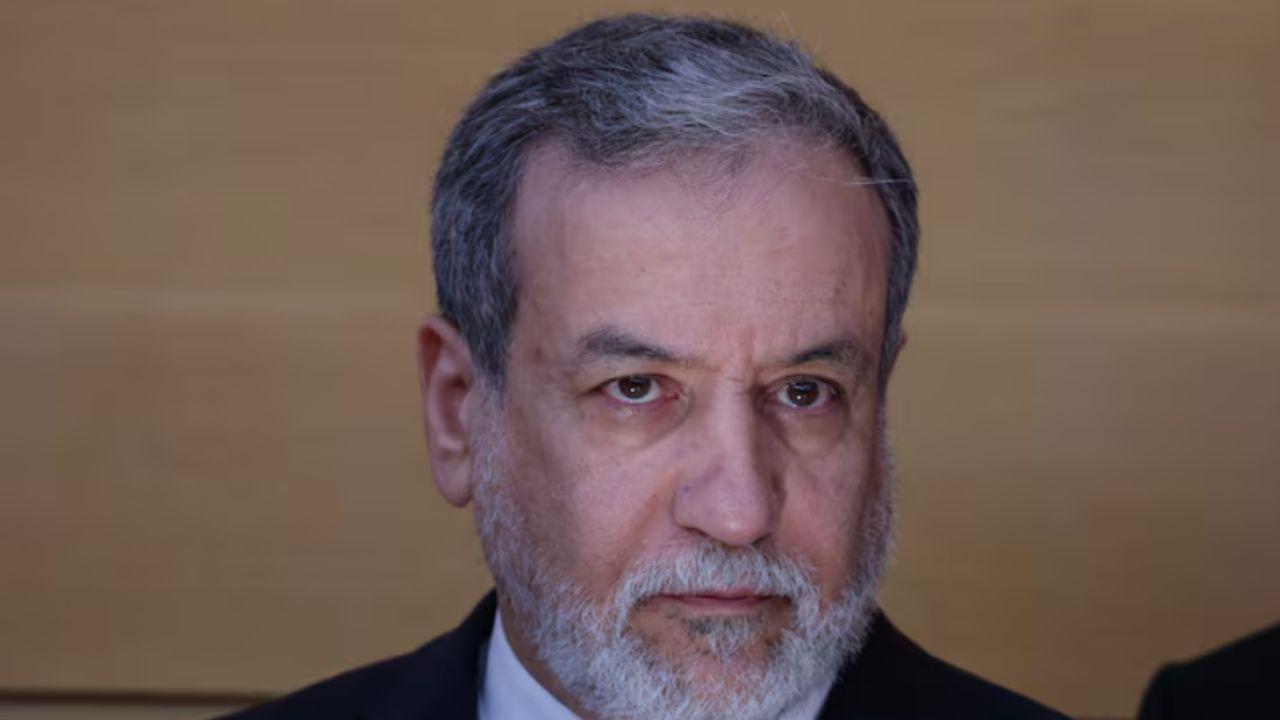
Iranian Foreign Minister Abbas Araqchi confirmed that the Fordow site had been “seriously and heavily damaged,” and that Iran’s Atomic Energy Organization was assessing the full extent of the destruction. However, Iranian officials also attempted to downplay the impact, with intercepted communications suggesting that the regime sought to minimize the scale of the destruction in public statements.
Satellite Imagery and Independent Assessments
Satellite images released after the strikes showed extensive damage at all three targeted sites. Large craters were visible near the entrances to Fordow and Isfahan, and significant above-ground destruction was evident at Natanz. However, experts cautioned that while the images confirmed severe surface and entrance damage, it was more difficult to assess the condition of the underground enrichment halls and centrifuge arrays from space.
Rafael Grossi, Director General of the International Atomic Energy Agency (IAEA), stated, “It is clear that Fordow was also directly impacted, but the degree of damage inside the uranium enrichment halls can't be determined with certainty”.
Intelligence Community Debate
Defense Intelligence Agency (DIA) Assessment
A preliminary classified assessment by the U.S. Defense Intelligence Agency (DIA), leaked to the press, suggested that the strikes had sealed the entrances to two key facilities but had not destroyed the underground structures or the centrifuges critical for uranium enrichment. The DIA estimated that Iran’s nuclear program had been set back by only three to six months, rather than being permanently destroyed.
This assessment was based on satellite data gathered within 24 hours of the raid and was labeled “low confidence,” indicating significant uncertainty and the need for further analysis.
CIA and White House Counterclaims
The CIA, however, publicly challenged the DIA’s findings. CIA Director John Ratcliffe cited “a body of credible intelligence” indicating that “several key Iranian nuclear facilities were destroyed and would have to be rebuilt over the course of years”. Director of National Intelligence Tulsi Gabbard wrote that if Iran chose to rebuild, “they would have to rebuild all three facilities (Natanz, Fordo, Esfahan) entirely, which would likely take years to do”.
The White House, for its part, dismissed any reports suggesting the strikes were less than devastating as “fake news,” insisting that the operation had “obliterated” Iran’s nuclear infrastructure.
Actual Damage and Long-term Consequences
Fordow
The Fordow site, buried deep under a mountain, was hit with the heaviest munitions.
Entrances were destroyed, and significant above-ground structures were leveled.
The extent of damage to the underground enrichment halls remains unclear, but U.S. officials claim the devastation was “buried under a mountain of rubble”.
Natanz and Isfahan
Both sites suffered extensive surface damage.
At Natanz, satellite images showed craters over the underground centrifuge halls, but it is uncertain whether the centrifuge arrays themselves were destroyed or just temporarily disabled.
Isfahan’s uranium conversion facilities were also hit, though the full impact is still being evaluated.
Enriched Uranium Stockpile
U.S. intelligence reported that much of Iran’s enriched uranium stockpile had been moved before the strikes, possibly to undisclosed locations, limiting the immediate loss of nuclear material.
Iranian Nuclear Program Timeline
Before the strikes, Iran was believed to be about three months from being able to produce a nuclear weapon if it chose to “break out”.
After the strikes, most assessments suggest the program has been delayed by several months, but not eliminated.
The CIA and White House insist the damage is “long-term and deep,” and that rebuilding will take years.
International and Political Fallout
The strikes have dramatically escalated tensions between the U.S. and Iran, with Tehran vowing retaliation. The operation has also triggered debate within the U.S. government and among allies about the effectiveness and risks of such military action.
Congress was scheduled to be briefed on the operation’s results, with lawmakers demanding a full accounting of the actual impact and the potential for further escalation



DAE Achieves Remarkable Growth in Q1 2026 With Record Revenue
Dubai Aerospace Enterprise announces impressive financial results for Q1 2026, reflecting a surge in

Price Increase for Sony PS5 in Southeast Asia Effective May 1
Sony announces a price increase for the PS5 across Southeast Asia starting May 1, 2026, impacting ga

Potential ‘Super El Niño’ in 2026: Understanding the Climate Risks
Could a Super El Niño emerge in 2026? Discover its implications and potential global climate impacts

Global Energy Crisis Intensifies: Markets React to Oil Supply Challenges
Markets are on edge as oil disruptions escalate, influencing prices and economic stability. Explore

Must-See Tourist Spots in London You Can't Overlook
Explore London's essential attractions, from royal landmarks to vibrant markets, ensuring an unforge

Ultimate Guide to Snagging Cheap Flights in 2026
Unlock the secrets to booking affordable flights in 2026 with insightful tips and strategies tailore




