Post by : Priya
Photo:AFP
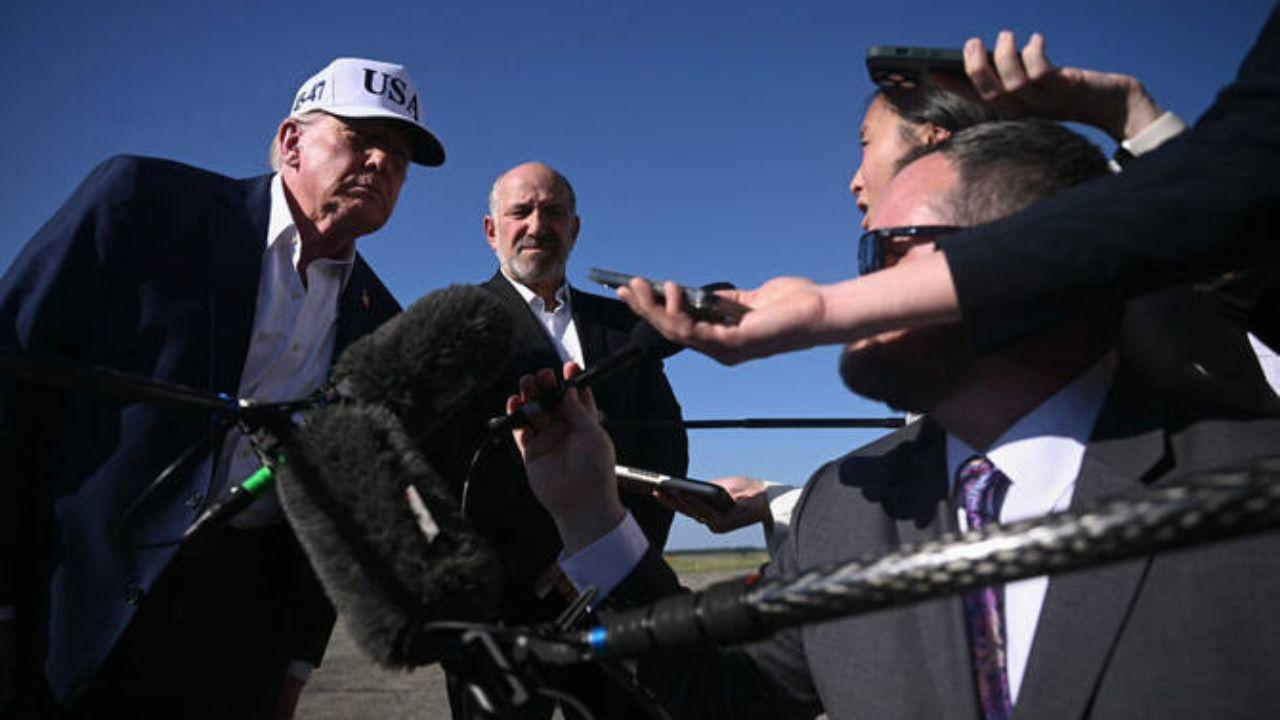
As global power dynamics shift and developing economies rise in influence, the annual BRICS summit has once again drawn global attention. This year, the summit is being hosted in Brazil, where leaders of Brazil, Russia, India, China, and South Africa have come together to discuss trade cooperation, economic integration, and a strategy to reform the global financial system. However, overshadowing the summit’s goals, former U.S. President Donald Trump has issued a strong warning — if re-elected, he plans to impose an additional 10% tariff on all goods imported from BRICS nations.
This announcement, made during a campaign rally in Florida, comes as part of Trump’s revived "America First" policy, which aims to protect U.S. manufacturers and reduce the country’s dependence on foreign imports. The timing of the statement — aligning with the BRICS summit — suggests a calculated move by Trump to challenge what he perceives as the growing influence of rival economies that have formed a strong alliance through BRICS.
Trump’s Statement: "No More Free Ride"
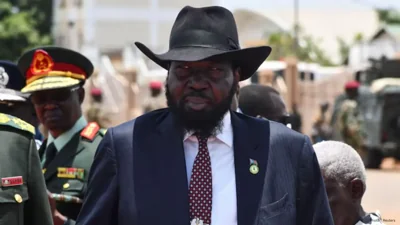
"We will no longer let countries take advantage of our markets," Trump told a crowd of supporters. "If I return to the White House, we will put a 10% tariff on all goods from BRICS nations until we have fair trade deals. No more free ride."
His comments were met with applause and have already sparked discussion among political analysts, economists, and business leaders. Trump framed the BRICS alliance as a threat to American industry and accused them of manipulating trade rules to their benefit. He criticized previous U.S. administrations for not taking a tougher stance on trade imbalances.
What Is BRICS?
BRICS is an economic bloc made up of five major emerging national economies — Brazil, Russia, India, China, and South Africa. These countries together account for over 40% of the world’s population and nearly a quarter of global GDP. The group is often seen as a counterbalance to Western-dominated organizations like the G7 and the International Monetary Fund (IMF).
Since its formation in 2009, BRICS has focused on increasing cooperation in areas such as trade, finance, technology, and development. The group has launched its own financial institutions like the New Development Bank (NDB) to reduce reliance on Western lending systems. In recent years, the bloc has also discussed introducing a common digital currency and expanding its membership to include other emerging economies.
The Brazil Summit: Trade, Currency, and Global Strategy
This year’s BRICS summit, held in Brasília, has been centered around deepening economic partnerships, reducing dependency on the U.S. dollar, and enhancing the role of developing countries in shaping global financial rules. China and Russia have been particularly vocal about promoting a multipolar world order — one that is not dominated by Western powers.
Leaders from all five BRICS nations have pushed for more trade in local currencies, a move that could weaken the dollar’s position as the global reserve currency. There are also talks underway to develop a BRICS-backed digital payment system, which would simplify trade and reduce costs.
Brazilian President Luiz Inácio Lula da Silva emphasized unity among BRICS members and highlighted the need for a balanced, inclusive international trade system. "We must stand together against unfair practices and develop our own mechanisms to support growth," he said.
Trump’s Tariff Threat: Immediate Reactions
Trump’s announcement has caused ripples across political and economic circles worldwide. While his supporters praised his tough stance, critics warned that such measures could backfire.
Economists Speak OutMany economists believe that an across-the-board 10% tariff on BRICS goods could hurt American businesses and consumers. From electronics and clothing to machinery and raw materials, U.S. companies rely heavily on imports from these nations.
"Trump’s plan may look good politically, but economically it could raise prices and hurt supply chains," said Mark Reinsdorf, a senior economist at Global Trade Watch. "Tariffs are a double-edged sword."
Business Leaders WorryMajor U.S. business groups have also expressed concern. The U.S. Chamber of Commerce warned that such trade policies could lead to retaliation. "We understand the need for fair trade, but blanket tariffs harm American competitiveness," said a spokesperson.
International ResponseBRICS leaders have not issued official responses, but sources close to the Indian and Brazilian delegations described the announcement as "provocative and disruptive." Chinese state media described Trump’s statement as a "desperate political move."
Impact on Global Trade Relations
Trump’s threat could complicate trade relations, especially if other Western nations adopt similar policies. Analysts say this could push BRICS members to further strengthen intra-BRICS trade and invest more heavily in their own financial systems.
"If Trump follows through, we could see a strong reaction from BRICS. They might increase trade among themselves and distance from the U.S. market," said Claudia Rojas, a trade policy expert at the University of São Paulo.
India and Brazil, which have both enjoyed strong trade ties with the U.S., may be forced to reconsider their policies if tariffs are imposed. South Africa, heavily reliant on export revenues, may also shift toward China and Russia for trade security.
Political Strategy Ahead of U.S. Elections
Trump’s re-election campaign has largely focused on immigration, the economy, and restoring what he calls America’s "lost strength." His trade policy is a key part of this narrative. By targeting BRICS, Trump is positioning himself as a strong leader against foreign influence, particularly from China.
Political commentators note that Trump’s use of trade threats during the 2016 campaign proved effective in rallying working-class voters. He may be trying to recreate that momentum.
"This is classic Trump — confrontational, nationalistic, and timed to maximize political gain," said David Harper, a political analyst in Washington.




DAE Achieves Remarkable Growth in Q1 2026 With Record Revenue
Dubai Aerospace Enterprise announces impressive financial results for Q1 2026, reflecting a surge in

Price Increase for Sony PS5 in Southeast Asia Effective May 1
Sony announces a price increase for the PS5 across Southeast Asia starting May 1, 2026, impacting ga

Potential ‘Super El Niño’ in 2026: Understanding the Climate Risks
Could a Super El Niño emerge in 2026? Discover its implications and potential global climate impacts

Global Energy Crisis Intensifies: Markets React to Oil Supply Challenges
Markets are on edge as oil disruptions escalate, influencing prices and economic stability. Explore

Must-See Tourist Spots in London You Can't Overlook
Explore London's essential attractions, from royal landmarks to vibrant markets, ensuring an unforge

Ultimate Guide to Snagging Cheap Flights in 2026
Unlock the secrets to booking affordable flights in 2026 with insightful tips and strategies tailore




