
Post by : Shweta
US President Donald Trump has emphatically rejected Iran’s recent initiative aimed at resolving conflicts in the Middle East, labeling the response as “unacceptable.” This comment came following Iran’s submission of an official reply to a ceasefire mediated by the US and regional parties.
Through his Truth Social account, Trump voiced his discontent with Tehran’s stance and accused Iranian leaders of procrastinating on substantial negotiations. Although details of Iran's proposal were not fully disclosed, it was evident that the US found the pitch unsatisfactory.
Media sources indicate that Iran’s proposal included requests such as the lifting of US sanctions, halting the naval blockade on Iranian ports, unfreezing Iranian assets, and recognizing its authority over the Strait of Hormuz. Additionally, Tehran sought assurances against potential military strikes and compensation for conflict-related damages.
Conversely, the US and its allies are reportedly advocating for stringent terms related to Iran’s nuclear initiatives. Washington is pressing for extensive limits on uranium production, enhanced international supervision, and constraints on Iran’s missile actions as part of any comprehensive agreement. Iran's resistance to these demands has been a significant barrier in negotiations.
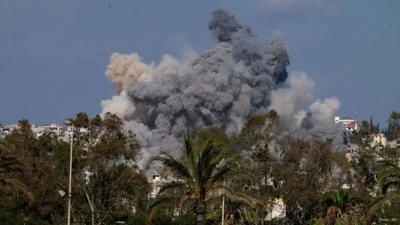
This latest impasse comes at a delicate time, with a ceasefire in place following escalating military tensions in the region. Volatility around the Strait of Hormuz has already influenced global oil markets and trade routes. Trump’s remarks have reportedly led to a rise in oil prices as investors grew anxious about potential breakdowns in diplomatic efforts.
Experts highlight that the Strait of Hormuz is crucial to global commerce, with a significant portion of the world's oil passing through this area. Continued hostilities could disrupt fuel prices, maritime operations, and the global economy. Several nations have appealed for calm, urging both parties to engage in peaceful negotiations.
In response, Iran has defended its stance, asserting that its demands are essential for national security and economic stability. Iranian officials contend that US sanctions and military exertion have gravely hindered their economy. Tehran has also cautioned against outside military interference, particularly in the vicinity of the Strait of Hormuz.
Political analysts suggest that the rejection of Iran’s proposal could stall immediate progress towards peace. Although diplomatic channels are ongoing, significant differences remain concerning military, nuclear, and economic matters. Experts anticipate that the success of future negotiations will largely depend on the willingness of both nations to adjust their fundamental demands.
The situation continues to garner close attention from global leaders and financial markets, as prevailing uncertainty in the Middle East presents a major international challenge.








Achieve Radiant Skin with This Simple Rice Flour Treatment
Transform your skincare routine! Discover how a rice flour mix can restore your skin's glow without

Meta Unveils Subscription Plans for Instagram, Facebook, and WhatsApp
Meta introduces new subscription plans for users of Instagram, Facebook, and WhatsApp, featuring enh

Suvarna Joy on Education Leadership, Resilience, and Building Purpose Through Adversity in the UAE
Suvarna Joy shares her journey of education leadership, motherhood, faith, and resilience within the

Anticipated Dates for UAE Eid Al Adha 2026 Unveiled by Astronomical Experts
Experts predict Eid Al Adha 2026 in the UAE to start on May 27, prompting early holiday planning amo

DAE Achieves Remarkable Growth in Q1 2026 With Record Revenue
Dubai Aerospace Enterprise announces impressive financial results for Q1 2026, reflecting a surge in

Price Increase for Sony PS5 in Southeast Asia Effective May 1
Sony announces a price increase for the PS5 across Southeast Asia starting May 1, 2026, impacting ga




