Post by : Monika
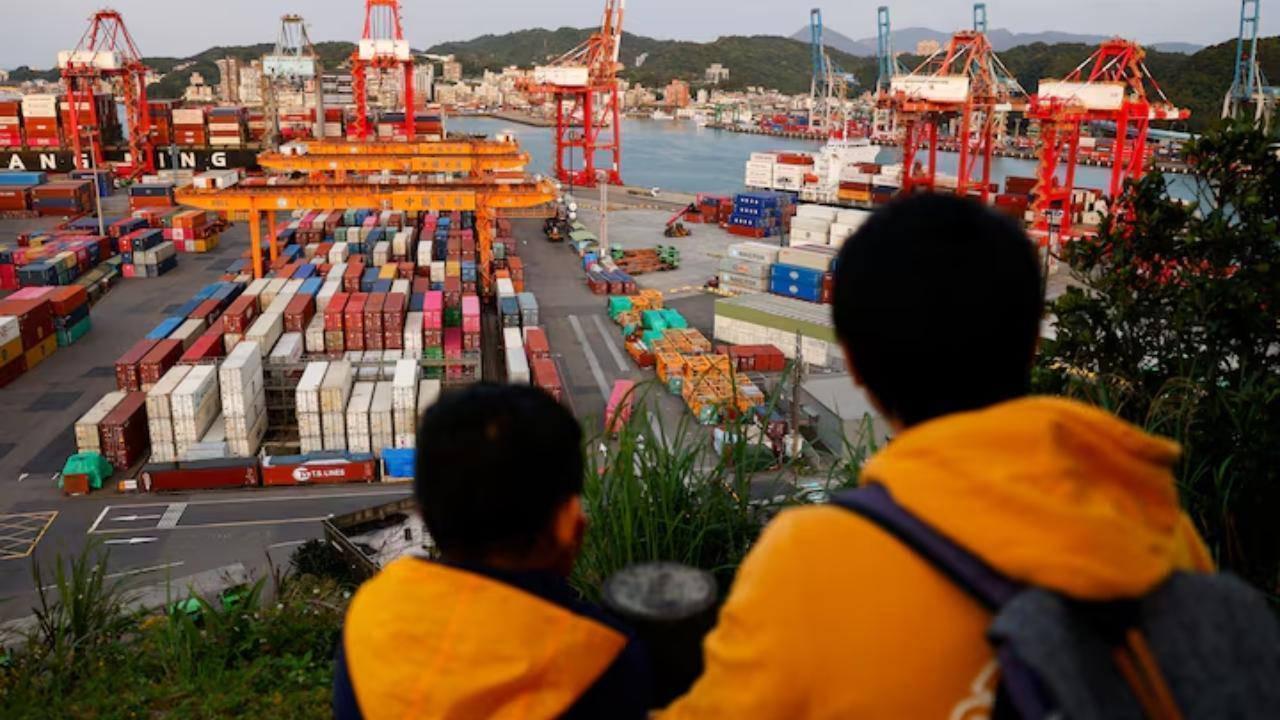
Photo: Reuters
In late July 2025, Taiwan sent a trade delegation to Washington, D.C. The team is meeting with U.S. officials to discuss possible tariffs on Taiwanese goods. These discussions continue a 90-day pause from earlier in the year when tariffs of up to 32% were announced but then put on hold. Taiwan's leaders want to resolve this before any tariffs take effect.
Why Talks Are Happening
In April 2025, the U.S. announced a plan for “reciprocal” tariffs of up to 32% on many imports from Taiwan. Semiconductors—Taiwan’s major export—were excluded from that plan. Soon after, the U.S. paused the tariffs for 90 days. Since then, Taiwan and the U.S. have held several rounds of talks to try and agree on fair trade terms.
Now, Taiwan’s delegation—led by Vice Premier Cheng Li‑chun—is meeting with U.S. trade officials again. Discussions focus on four main areas: protecting Taiwan’s industrial sectors, public health, and food safety, and building technology and national security cooperation.
What Taiwan Hopes to Achieve
Taiwan is the United States’ second-largest trading partner after China. A successful negotiation could shape Taiwan’s role in the global supply chain and protect its export-focused economy.
Challenges Facing Taiwan
Taiwan’s economy depends heavily on exports, especially in tech and semiconductors. New tariffs could harm businesses and reduce international competitiveness.
Previous rounds of negotiations showed that both sides are eager to find a deal—but political complications and trade tension with China complicate progress.
Taiwan must also balance trade talks with diplomatic sensitivities around its relationship with Beijing and the United States.
Broader Context and Economic Outlook
A Reuters poll published on July 29 suggested Taiwan’s economy continued growing in the second quarter, with GDP up about 5.7%. Tech exports remain strong, especially from chipmakers like TSMC. But economic growth risks remain if tariffs return or if major customers slow down their purchases.
The talks come as President Lai Ching-te weighs several challenges, including recovering from recent typhoon damage and managing delicate U.S.–China relations. His presidency also remains under pressure after certain defense visits or transit plans were delayed, though Taiwan insists talks are not over—they may just happen later this year.
What’s Next?
Topic Details
Why It Matters
Taiwan's trade delegation is working to prevent new U.S. tariffs that could deeply disrupt its export economy. By negotiating on multiple issues—from industry protections to technology cooperation—Taipei hopes to reach a fair deal. The outcome will shape trade flows and economic ties between Taiwan and the United States.









DAE Achieves Remarkable Growth in Q1 2026 With Record Revenue
Dubai Aerospace Enterprise announces impressive financial results for Q1 2026, reflecting a surge in

Price Increase for Sony PS5 in Southeast Asia Effective May 1
Sony announces a price increase for the PS5 across Southeast Asia starting May 1, 2026, impacting ga

Potential ‘Super El Niño’ in 2026: Understanding the Climate Risks
Could a Super El Niño emerge in 2026? Discover its implications and potential global climate impacts

Global Energy Crisis Intensifies: Markets React to Oil Supply Challenges
Markets are on edge as oil disruptions escalate, influencing prices and economic stability. Explore

Must-See Tourist Spots in London You Can't Overlook
Explore London's essential attractions, from royal landmarks to vibrant markets, ensuring an unforge

Ultimate Guide to Snagging Cheap Flights in 2026
Unlock the secrets to booking affordable flights in 2026 with insightful tips and strategies tailore




