Post by : Sami Jeet
Dehydration can occur quicker than one might think—after a day spent outdoors, an intensive workout, exposure to heat, or even prolonged hours in an air-conditioned space without adequate water intake. Initially, mild dehydration may appear harmless but can swiftly escalate into fatigue, headaches, dizziness, dry skin, and trouble concentrating. Fortunately, there are straightforward, effective methods to rapidly address dehydration. This guide outlines quick hydration techniques, pitfalls to avoid, and ways to sustain proper hydration levels throughout the day.
Before remedying dehydration, it’s crucial to detect it early. Common initial signs include a dry mouth, dark yellow urine, fatigue, lightheadedness, rapid heartbeat, and impaired concentration. Symptoms of severe dehydration can include confusion, muscle cramps, intense thirst, or minimal urine output. Recognizing these indicators can help intervene before the situation worsens.
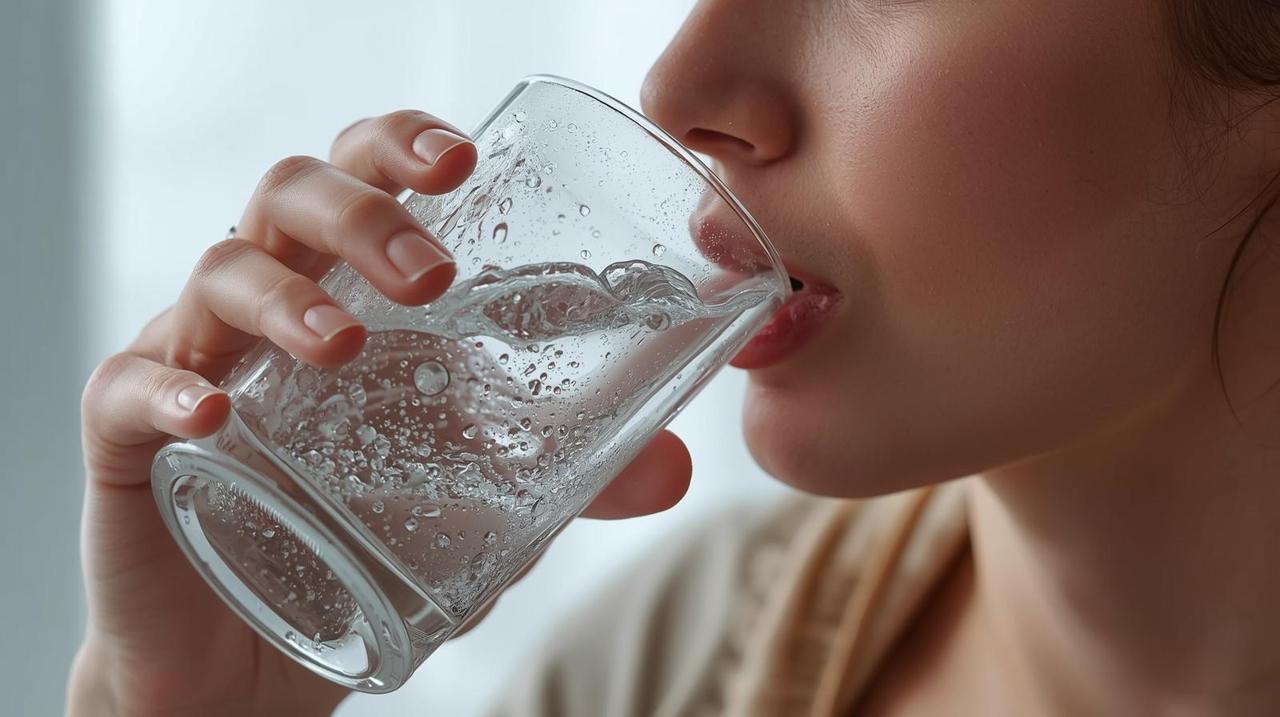
An effective method to rehydrate is by taking small sips of water at regular intervals. Drinking large quantities at once can overwhelm your stomach, causing discomfort and hindering absorption. Small sips promote better absorption of water.
Aim for 200–300 ml every 20–30 minutes until symptoms ameliorate. Avoid downing an entire bottle in one go.
Dehydration leads to the loss of vital minerals, such as sodium, potassium, and magnesium. Just drinking plain water might not suffice.
Oral rehydration solutions, electrolyte powders or tablets, coconut water, and homemade electrolyte beverages with salt, sugar, and lemon serve to replenish both fluids and minerals, supporting more effective hydration.
Solid foods that are rich in water serve as natural hydration boosters.
Watermelon, oranges, strawberries, cucumbers, tomatoes, grapes, and celery provide hydration along with fiber, vitamins, and minerals that aid in recovery.
Some drinks exacerbate dehydration or impede hydration efforts.
Coffee, energy drinks, alcohol, sugary sodas, and salty soups or snacks can worsen dehydration and prolong recovery.
A simple health check involves gently pinching the skin on your hand or forearm.
If the skin swiftly returns to normal, hydration is improving. If it remains raised or falls slowly, dehydration may persist. This technique allows you to monitor your rehydration progress.
Warm broths not only help restore fluids but also replenish electrolytes. They are particularly beneficial when dehydration arises from illness or heat exposure.
The sodium present in broth aids water retention, facilitating quicker fluid absorption by your cells.
In hot conditions, your body sweats more, leading to further dehydration.
Stay in the shade, remove heavy clothing, take a cool shower, use a cold cloth on your neck, or rest in an air-conditioned area. Cooling your body diminishes sweat loss and promotes effective rehydration.
ORS packets contain a scientific balance of salts and sugars created to optimize fluid absorption.
After vomiting or diarrhea, following intense exercise, during fever, or in cases of moderate dehydration. They are more effective than water alone and are endorsed by health professionals globally.
Tackling dehydration is just the first step. A consistent routine can safeguard against future episodes.
Start your day with a glass of water. Keep a water bottle within reach throughout the day. Incorporate electrolytes after workouts and consume more hydrating fruits and vegetables. Limit caffeine and alcohol intake, especially in warmer weather. A predictable hydration routine significantly lessens the risk of dehydration.
While most dehydration cases can be managed at home, severe symptoms necessitate immediate medical attention.
Confusion, rapid heartbeat, fainting, severely dry skin, very dark urine, or no urination for eight hours require urgent care to avoid complications.
This article provides general advice on mild dehydration management and should not substitute for professional medical guidance. Severe dehydration or symptoms due to illness, heatstroke, or underlying health concerns require immediate professional evaluation. Always consult a qualified healthcare provider if symptoms persist or worsen.










Anticipated Dates for UAE Eid Al Adha 2026 Unveiled by Astronomical Experts
Experts predict Eid Al Adha 2026 in the UAE to start on May 27, prompting early holiday planning amo

DAE Achieves Remarkable Growth in Q1 2026 With Record Revenue
Dubai Aerospace Enterprise announces impressive financial results for Q1 2026, reflecting a surge in

Price Increase for Sony PS5 in Southeast Asia Effective May 1
Sony announces a price increase for the PS5 across Southeast Asia starting May 1, 2026, impacting ga

Potential ‘Super El Niño’ in 2026: Understanding the Climate Risks
Could a Super El Niño emerge in 2026? Discover its implications and potential global climate impacts

Global Energy Crisis Intensifies: Markets React to Oil Supply Challenges
Markets are on edge as oil disruptions escalate, influencing prices and economic stability. Explore

Must-See Tourist Spots in London You Can't Overlook
Explore London's essential attractions, from royal landmarks to vibrant markets, ensuring an unforge




