Post by : Anees Nasser
Fashion cycles through time, yet the recent resurgence of vintage styles has taken the industry by storm. What was once thought to be out of style is now captivating the fashion landscape, as items once stashed away have resurfaced as symbols of self-expression and comfort.
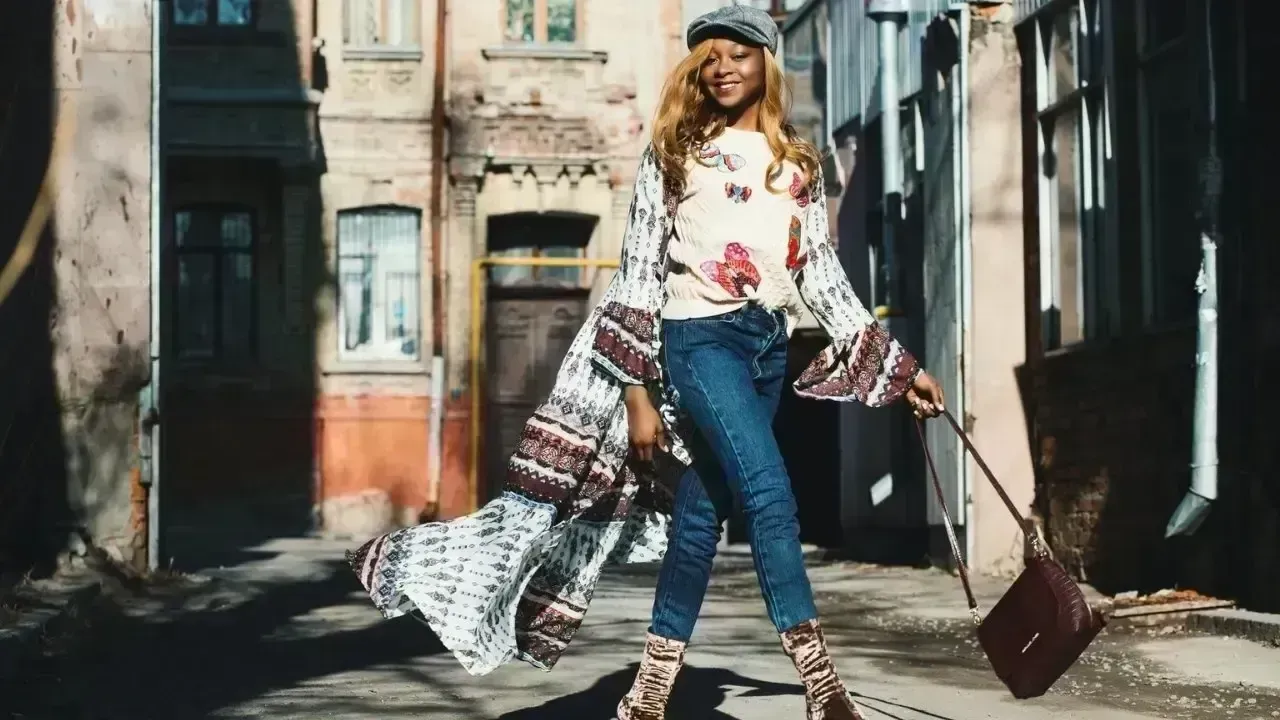
In 2026, trends are influenced by an amalgamation of styles from the late 1990s, early 2000s, and early 2010s, eras often dismissed in the past. Items like low-rise jeans, oversized tees, and statement accessories are trending once more, shedding their ironic connotation to become fashion staples.
This revival speaks volumes about current cultural shifts, driven by nostalgia and a craving for authenticity amidst an ever-evolving digital era.
While fashion revisits old trends regularly, this particular resurgence is distinct in its rapid spread from niche to mainstream, embraced by influencers and common consumers alike.
Unlike previous revivals tied to high fashion, today's trends arose organically through social media platforms, which serve as archival spaces, allowing users to rediscover and reimagine past styles.
What began as a nostalgic curiosity has blossomed into a vibrant cultural movement.
The late '90s and early 2000s signify an era of unrestrained self-expression, predating today's digital anxieties. These decades radiate creativity, encouraging fashion statements that defy convention.
Even for those unfamiliar with this past, these styles exude an inviting, playful vibe, promoting a sense of comfort through personal expression.
Social media has not only heightened the nostalgia trend but has essentially birthed it. Platforms like TikTok and Instagram have turned nostalgic looks into viral phenomena.
Users actively engage by:
Recreating childhood outfits
Thrifting vintage treasures
Modernizing old favorites in new ways
Highlighting before-and-after transformations
As nostalgic content proliferated, social media algorithms propelled it to ascendancy, encouraging a collective rediscovery of earlier fashion narratives.
Gen Z stands at the forefront of contemporary fashion, deliberately embracing nostalgic trends.
For this generation:
Fashion signifies identity over status.
Trends are open to reinterpretation.
Vintage and thrifted pieces carry cultural significance.
By adopting past styles, Gen Z blurs the boundaries between luxury and casual wear, crafting a narrative that speaks to their individuality.
While Gen Z reigns over the revival, millennials keep the momentum alive.
For them, nostalgic styles:
Reflect their formative years.
Elicit memories tied to cultural milestones.
Offer emotional solace in challenging times.
Revisiting these cherished fashions allows millennials to reconnect with an earlier, simpler version of themselves amidst modern responsibilities.
One of the clearest indicators of the throwback trend is the return of denim styles:
Baggy fits
Straight-leg designs
Low-rise options
Distressed finishes
Emphasizing comfort over strict tailoring, denim resonates with a broader move toward relaxed fashion.
Expressive logos, vibrant graphics, and striking pieces are re-entering everyday fashion, serving as cultural markers linked to specific eras.
Rather than subtle elegance, consumers now favor garments that tell a story.
Accessories have been pivotal in solidifying this fashion revival:
Shoulder bags
Chunky belts
Tinted sunglasses
Hair clips and headbands
Platform shoes
These accessories enable seamless integration of nostalgic looks, enticing individuals without drastic changes to their wardrobes.
Contemporary fashion often feels overproduced; throwbacks provide an escape from this pressure.
They:
Encourage creativity
Diminish judgment fears
Embrace individuality
Challenge rigid beauty standards
In a time of relentless online scrutiny, wearing imperfect styles feels like a form of empowerment.
Fashion is deeply intertwined with music, film, and television. The revival of throwback styles owes much to media.
Reboots and documentaries have presented past aesthetics to new audiences, while older individuals find renewed appreciation.
Fashion becomes a connection between generations, bridging gaps through shared visual histories.
Another driving force behind this trend is sustainability.
The thrift movement:
Minimizes environmental impact
Makes fashion accessible
Encourages unique styles
Those drawn to old trends often turn to vintage shopping, favoring authentic items over mass-produced reproductions.
This merges nostalgia with eco-friendly practices, bolstering the movement’s integrity.
This fashion revival is typically omnipresent, transcending cultural boundaries. From vintage markets in Europe to fashion scenes in India, throwback styles resonate worldwide.
Every locality introduces its distinctive spin:
Local textiles
Cultural nuances
Adaptations to climate
Such versatility gives the trend a personalized touch rather than a top-down approach.
Interestingly, designers observed and reacted to this revival.
As vintage styles gained popularity online, they found their way into collections, marking a turn toward grassroots creativity in the fashion realm.
When faced with uncertainty, people naturally gravitate towards the familiar. Fashion, as a visual mode of expression, mirrors this tendency.
Throwback styles:
Alleviate decision fatigue
Offer emotional security
Foster a sense of community
Wearing recognizable outfits feels grounding amidst a chaotic world.
Unlike previous expectations for novelty, today's trends reward reinterpretation of the past.
Being fashionable means:
Restyling vintage pieces
Blending different eras
Valuing comfort and authenticity
This evolution democratizes fashion, emphasizing creativity over economic power.
The popularity of this throwback trend suggests forthcoming styles will likely:
Recycle rather than reinvent
Prioritize personal narratives over mass appeal
Adopt slower and more intentional fashion cycles
Rather than pursuing fleeting fads, the future may lean towards revisiting and refining existing styles.
Not everyone wishes to relive the past entirely, which is part of this trend's charm.
Consider these suggestions:
Add a nostalgic accessory
Mix vintage denim with contemporary pieces
Combine retro graphics with modern basics
The aim is harmony, not a costume.
Unlike past nostalgia waves curated by the elite, this revival is fundamentally collective. It is shaped by the voices of those wearing, styling, and sharing their interpretations online.
This sense of ownership has lent it resilience; individual components may fade, but the underlying ethos endures.
The viral fashion throwback captivating 2026 transcends mere retro revival; it signifies a movement towards genuine authenticity amidst an overproduced world.
By revisiting past styles, individuals rediscover comfort, creativity, and confidence, reshaping fashion’s narrative from perfection to personality.
Ultimately, this trend highlights a fundamental truth: fashion never disappears; it pauses, awaiting the moment for a reimagined return.
Disclaimer:
This content aims for informational and cultural analysis. Fashion trends may differ based on regional and cultural perspectives.







DAE Achieves Remarkable Growth in Q1 2026 With Record Revenue
Dubai Aerospace Enterprise announces impressive financial results for Q1 2026, reflecting a surge in

Price Increase for Sony PS5 in Southeast Asia Effective May 1
Sony announces a price increase for the PS5 across Southeast Asia starting May 1, 2026, impacting ga

Potential ‘Super El Niño’ in 2026: Understanding the Climate Risks
Could a Super El Niño emerge in 2026? Discover its implications and potential global climate impacts

Global Energy Crisis Intensifies: Markets React to Oil Supply Challenges
Markets are on edge as oil disruptions escalate, influencing prices and economic stability. Explore

Must-See Tourist Spots in London You Can't Overlook
Explore London's essential attractions, from royal landmarks to vibrant markets, ensuring an unforge

Ultimate Guide to Snagging Cheap Flights in 2026
Unlock the secrets to booking affordable flights in 2026 with insightful tips and strategies tailore




