Post by : Saif Nasser
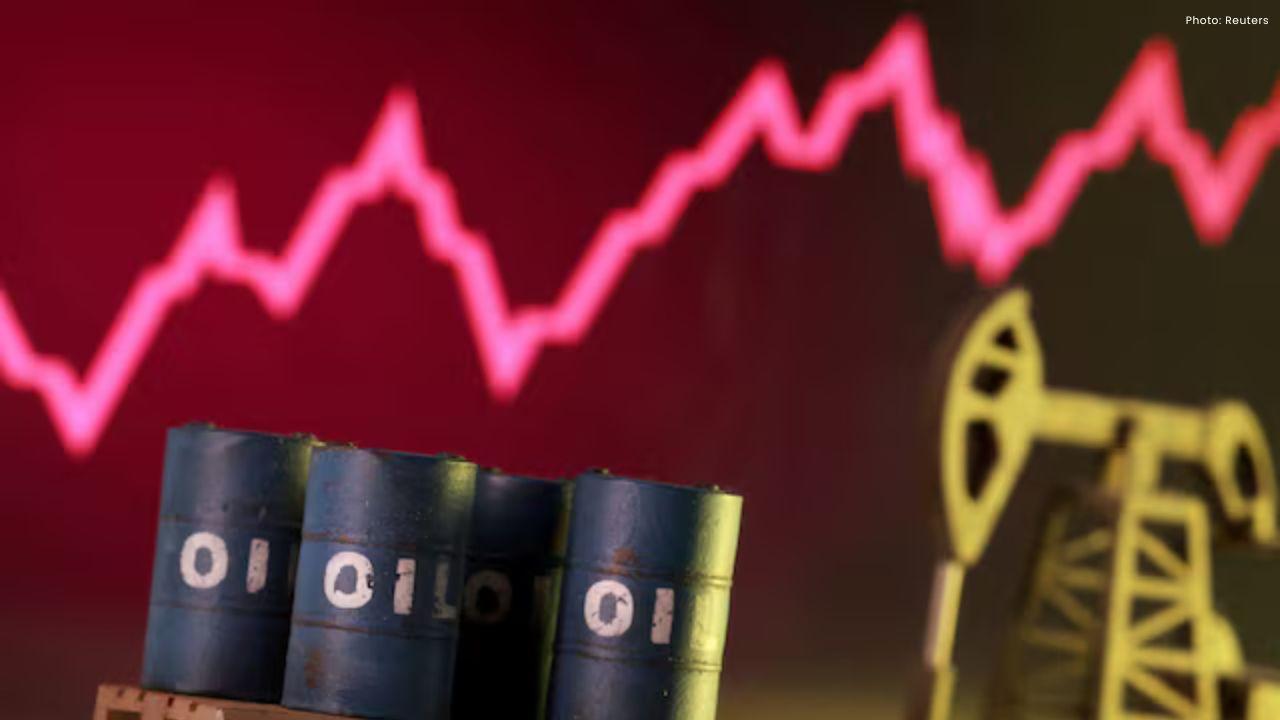
Global commodity markets have been shaken by the escalating war involving Iran, causing sharp movements in several key resources. Oil prices have jumped nearly 25 percent, while gold prices have unexpectedly declined. The sudden changes show how geopolitical conflicts can quickly influence the world economy and financial markets.
The biggest movement has been seen in oil prices. Brent crude, the international oil benchmark, surged close to $120 per barrel during trading. This rise is one of the strongest single-day increases in recent years and reflects growing concern about possible supply disruptions in the Middle East.
The Middle East remains one of the most important regions for global energy production. A large portion of the world’s crude oil is produced and exported from this area. When conflict threatens production or transportation routes, global markets react immediately.
The current war has raised fears that oil shipments from the region may face serious disruptions. Traders and investors are worried that military activity could affect important energy infrastructure or shipping routes used to transport oil to international markets.
One of the most sensitive locations is the Strait of Hormuz. This narrow waterway connects the Persian Gulf to the open ocean and is used by oil tankers carrying crude to many parts of the world. A significant share of the global oil supply normally passes through this route every day.
As tensions have increased, shipping companies and tanker operators have become more cautious. Some vessels have delayed or reduced their movements through the area due to safety concerns. Even small disruptions in such an important shipping lane can quickly reduce available supply and push prices higher.
Higher oil prices often create a ripple effect across the global economy. Fuel is essential for transportation, manufacturing, and electricity generation. When the price of oil rises sharply, the cost of moving goods and producing products also increases.
Because of this, other commodities have also started to rise. Agricultural products such as vegetable oils have gained value as markets react to the higher cost of fuel and transportation. Metals used in industry have also seen price increases as investors expect supply chains to face new challenges.
Aluminium prices, for example, climbed to their highest levels in several years during recent trading. Investors believe that disruptions to energy supply could affect industrial production and metal markets as well.
While oil and some commodities have surged, gold has moved in the opposite direction. Normally, gold becomes more valuable during times of political tension because investors see it as a safe place to store wealth.
However, in this situation gold prices have dropped by more than two percent. Analysts say one reason for this decline is the strengthening of the U.S. dollar. When the dollar becomes stronger, gold becomes more expensive for international buyers who use other currencies. This can reduce demand and push prices down.
Financial markets around the world have also reacted strongly to the sudden commodity price movements. Stock markets in several countries have fallen as investors worry about the impact of rising energy costs on global economic growth.
Higher oil prices can increase inflation, which is already a concern for many countries. When fuel becomes more expensive, businesses often pass those costs on to consumers. This can lead to higher prices for everyday goods such as food, clothing, and household products.
Economists say prolonged high oil prices could slow economic growth in many parts of the world. Countries that import large amounts of oil may face the biggest challenges, as they will have to spend more money on energy supplies.
Asian economies are particularly sensitive to changes in oil prices because many of them depend heavily on energy imports from the Middle East. If the conflict continues and oil shipments are disrupted, fuel costs could rise sharply across the region.
Airlines, shipping companies, and manufacturing industries are already monitoring the situation closely. Fuel is one of their largest operating expenses, so sudden price increases can significantly affect their costs.
Governments and financial institutions are also paying close attention to developments in the region. Policymakers may need to adjust economic strategies if energy prices remain unstable for a long period.
The situation highlights how closely global markets are connected to geopolitical events. Even conflicts that occur far from major financial centers can quickly influence prices, trade, and economic stability around the world.
For now, investors are watching the situation carefully. If tensions in the Middle East ease and oil supply routes remain open, prices could stabilize. However, if the conflict intensifies or spreads, commodity markets may experience further volatility.
The recent surge in oil prices and the fall in gold demonstrate how quickly global markets can react to uncertainty. As the war continues to unfold, economic conditions around the world may continue to shift in response to developments in the region.








DAE Achieves Remarkable Growth in Q1 2026 With Record Revenue
Dubai Aerospace Enterprise announces impressive financial results for Q1 2026, reflecting a surge in

Price Increase for Sony PS5 in Southeast Asia Effective May 1
Sony announces a price increase for the PS5 across Southeast Asia starting May 1, 2026, impacting ga

Potential ‘Super El Niño’ in 2026: Understanding the Climate Risks
Could a Super El Niño emerge in 2026? Discover its implications and potential global climate impacts

Global Energy Crisis Intensifies: Markets React to Oil Supply Challenges
Markets are on edge as oil disruptions escalate, influencing prices and economic stability. Explore

Must-See Tourist Spots in London You Can't Overlook
Explore London's essential attractions, from royal landmarks to vibrant markets, ensuring an unforge

Ultimate Guide to Snagging Cheap Flights in 2026
Unlock the secrets to booking affordable flights in 2026 with insightful tips and strategies tailore




