Post by : Monika
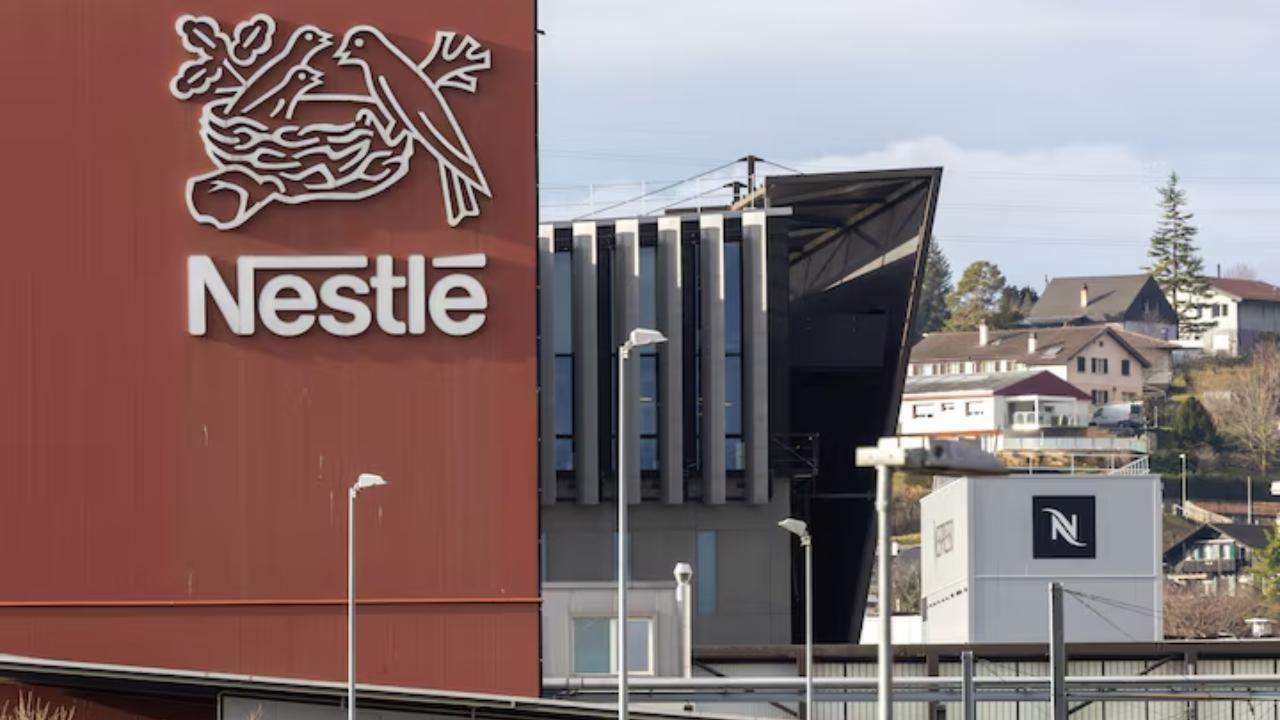
Photo: Reuters
Nestlé, the largest food and drink company in the world, recently shared its financial results for the first half of the year 2025. The company said that its "organic sales" grew by 2.9% from the same time last year. Organic sales mean the money made from its regular products, without counting the effects of currency changes or the buying and selling of other companies.
This growth was better than what many experts had expected. Nestlé makes and sells many well-known products, including KitKat chocolate, Nespresso coffee, baby food, and pet food. These are items people use often, so how well they sell helps show how strong the company is.
Let’s take a closer look at the full picture of Nestlé’s results, what they are planning next, and how this affects shoppers, workers, and investors.
What Helped Nestlé’s Sales Go Up?
There were three main reasons why Nestlé’s core sales improved:
Raising Prices:
The company raised the prices of many of its products by about 2.7%. This was slightly more than what experts had guessed (2.5%). Even though prices went up, people still bought the products. This helped Nestlé deal with the higher costs of things like cocoa, coffee, and energy.
Focusing on Premium Products:
Nestlé focused more on their premium (higher-priced) items. These items cost more but also make more money for the company. For example, fancier coffee or better-quality snacks helped boost profits.
Stable Product Demand:
Despite higher prices, the number of items sold also went up a little—by 0.2%. While this was slightly below the 0.4% expected, it still showed that customers continued to buy Nestlé’s products regularly.
Total Sales Were Lower—But There’s a Reason
While organic sales went up, the total sales Nestlé reported were actually down by 1.8%. This may sound bad, but it’s mostly because of the strong Swiss franc (Switzerland’s currency). When a company earns money in other countries and the Swiss franc becomes stronger, that foreign money is worth less when turned back into Swiss money.
Nestlé said the stronger franc caused about 4.7% of the drop in sales. But when this currency effect is removed, it’s clear the actual business is still doing well.
Nestlé to Review Its Vitamin and Supplement Business
One of the biggest announcements from Nestlé is that it plans to review its vitamins, minerals, and supplements business. This part of the company includes well-known brands such as:
The company might sell some of these brands if they are not doing well. Nestlé wants to make sure that every part of its business is strong and making money. So, if some of these vitamin brands are underperforming, they may be removed or sold.
Why Is Nestlé Making This Change?
Nestlé’s top leaders said they want to focus more on the parts of the business that are doing well. If some brands are weak or slow in sales, they may not fit into Nestlé’s future plans. By removing those weaker brands, the company can:
What Are the Company’s Goals for 2025?
Even with some parts of the business facing pressure, Nestlé has kept its goal for the year the same. The company expects to reach a core profit margin of about 16% for 2025. A profit margin shows how much money is left after paying for all the costs. A 16% margin means that for every 100 rupees Nestlé earns, it keeps 16 rupees in profit.
This is an important number because it shows that Nestlé believes it can stay strong and keep earning well, even while making changes in some parts of the business.
What’s Happening in Nestlé’s Leadership?
In the last year, there have also been changes in Nestlé’s leadership. A new CEO, Laurent Freixe, took over the company. He stepped in during a tough time, when many companies were still recovering from the effects of the COVID-19 pandemic. Some parts of Nestlé’s business were not performing as expected.
Since Laurent became CEO, there has been improvement. Investors have become more hopeful. In fact, the price of Nestlé’s stock has gone up by about 4% this year, showing that the market has some confidence in the company again.
At the same time, Nestlé’s longtime chairman, Paul Bulcke, has announced that he will step down. This is another big change for the company, and some investors are watching closely to see how new leadership shapes Nestlé’s future.
What Is Nestlé’s Plan Moving Forward?
Why Does This Matter to You?
Nestlé’s decisions affect people all over the world. Here’s why:
For Shoppers: The products you use every day—like baby food, chocolate, or coffee—might see small price changes. But the good news is, Nestlé is working to keep these products available and of good quality.
For Investors: Nestlé is becoming more focused and efficient. If the company keeps doing well, it could be a good sign for investors.
For Workers: People who work in Nestlé’s vitamin and supplement division may be affected if some brands are sold or closed.
For Other Companies: As the biggest food company, Nestlé sets a trend. If they succeed with these changes, other food businesses might follow similar steps.
What’s Coming Next?
Whether energy and ingredient costs go up or down, which affects all food makers
Nestlé has had a better start to 2025 than many people expected. Even with higher costs and a strong Swiss franc, the company managed to grow its core sales and keep profits steady. Nestlé is also making big decisions to review and possibly sell some of its vitamin and supplement brands.
With a clear plan to focus on strong products and smart pricing, Nestlé is getting ready for the future. These moves may help the company stay at the top of the food industry for many years to come.










DAE Achieves Remarkable Growth in Q1 2026 With Record Revenue
Dubai Aerospace Enterprise announces impressive financial results for Q1 2026, reflecting a surge in

Price Increase for Sony PS5 in Southeast Asia Effective May 1
Sony announces a price increase for the PS5 across Southeast Asia starting May 1, 2026, impacting ga

Potential ‘Super El Niño’ in 2026: Understanding the Climate Risks
Could a Super El Niño emerge in 2026? Discover its implications and potential global climate impacts

Global Energy Crisis Intensifies: Markets React to Oil Supply Challenges
Markets are on edge as oil disruptions escalate, influencing prices and economic stability. Explore

Must-See Tourist Spots in London You Can't Overlook
Explore London's essential attractions, from royal landmarks to vibrant markets, ensuring an unforge

Ultimate Guide to Snagging Cheap Flights in 2026
Unlock the secrets to booking affordable flights in 2026 with insightful tips and strategies tailore




