Post by : Saif Nasser
The national parliament of Myanmar has met again after nearly five years, marking a major political moment for the country. The meeting comes after elections held under military rule and is seen by many observers as the beginning of a new phase in Myanmar’s political system.
Lawmakers gathered in the capital city of Naypyidaw, where the new parliament officially began its work. The session follows years of political crisis that began after the military removed the elected government in 2021.
The country has experienced deep instability since the 2021 Myanmar military coup, when the armed forces took control of the government and detained many political leaders. The coup happened just days before the newly elected parliament was scheduled to start its term following national elections.
One of the most well-known figures arrested during the takeover was Aung San Suu Kyi, the leader of the National League for Democracy, a party that had won a strong victory in the previous election. Her removal from power triggered widespread protests across Myanmar, with thousands of citizens taking to the streets to demand the return of democracy.
In the months that followed, demonstrations were met with strong military action. The crisis gradually turned into a wider conflict as armed resistance groups and ethnic militias began fighting against government forces in several parts of the country.
Since then, Myanmar has faced serious economic and humanitarian challenges. Many communities have been displaced due to fighting, and the country’s economy has suffered from political uncertainty and international sanctions.
The newly convened parliament was formed after elections held between late 2025 and early 2026. The vote was organized by the military authorities as part of a plan to rebuild the country’s political structure. However, the election was widely criticized by opposition groups and several foreign governments.
Results from the election showed a clear victory for the Union Solidarity and Development Party, a political party that has strong links to Myanmar’s military leadership. The party secured a large number of the contested seats in parliament.
Under Myanmar’s constitution, the armed forces also hold a guaranteed share of power. About 25 percent of parliamentary seats are automatically reserved for military officers appointed by the army. This arrangement ensures that the military keeps significant influence over the country’s political decisions.
Because of this structure, analysts say the new parliament will operate under strong military guidance even though civilian politicians are formally part of the government.
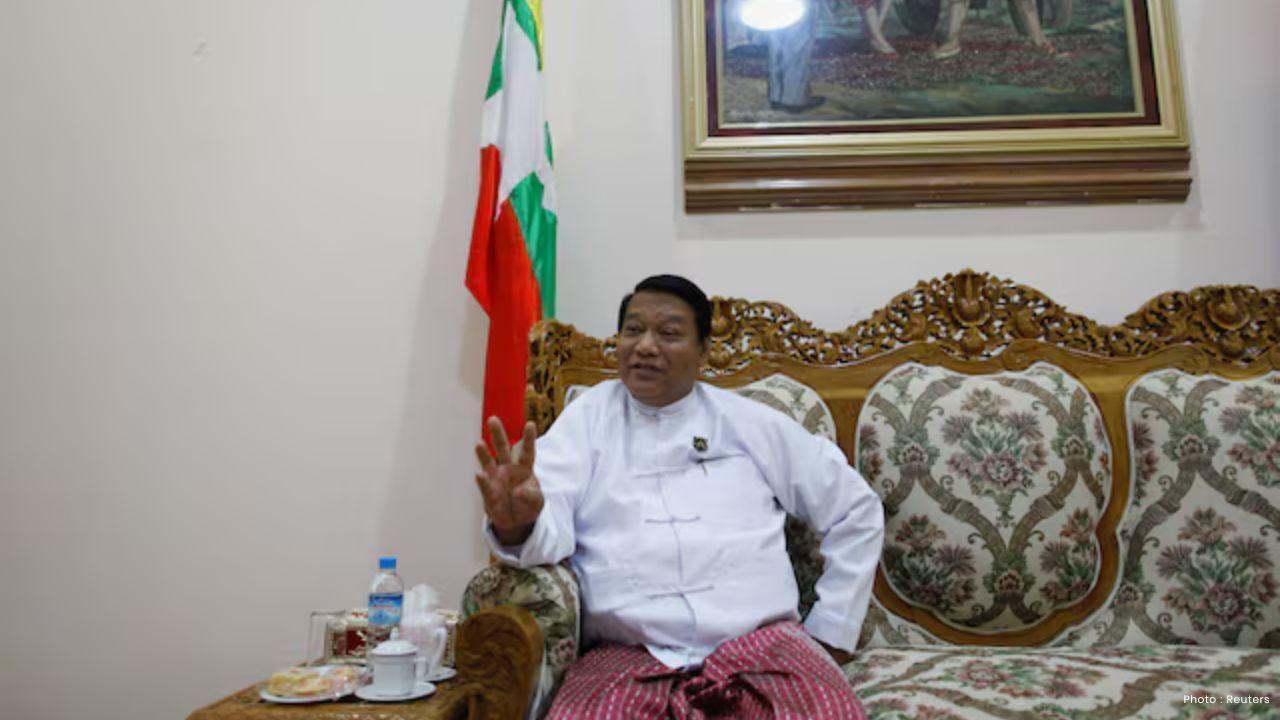
During the first meeting of the new parliament, Khin Yi, a former senior military officer and leader of the Union Solidarity and Development Party, was selected as the speaker of the lower house. His appointment further shows how closely connected the political leadership remains to the military establishment.
The speaker plays an important role in guiding debates and managing the law-making process in parliament. With a military-aligned leader in this position, many observers believe the armed forces will continue to shape key decisions in government.
Another important step expected in the coming weeks is the selection of a new national president. Political analysts believe that Min Aung Hlaing, the army chief who led the 2021 coup, could eventually take a major leadership role within the new political system.
There are also discussions about forming a new governing body known as the Union Consultative Council, which would coordinate decisions between military leaders and civilian officials. Supporters say the council could help maintain stability, while critics argue it may strengthen military control over national policies.
Although the government says the new parliament is a step toward restoring normal political life, many international observers remain doubtful. Several Western governments and human rights organizations have criticized the election process, saying it did not provide fair opportunities for opposition parties.
Many political groups were unable to take part in the election. The National League for Democracy, which previously governed the country, was dissolved by election authorities and did not participate in the vote.
In addition, many of its leaders remain in detention, and several political activists are either in prison or living in exile.
Security around the capital was tight during the opening session of parliament. Authorities deployed large numbers of security personnel to prevent possible protests or attacks.
Myanmar continues to face armed clashes in different regions as resistance groups challenge the authority of the military government. These conflicts have made it difficult for the country to achieve lasting stability.
The political crisis that began in 2021 has become one of the most serious conflicts in Southeast Asia. Fighting between military forces and opposition groups has continued in several states, creating ongoing uncertainty about the country’s future.
International pressure on Myanmar’s leadership has also remained strong. Several countries have imposed sanctions on senior military officials and companies linked to the armed forces. These measures aim to encourage political reform and the restoration of democratic institutions.
However, Myanmar’s military leaders have rejected much of this criticism and insist that the new parliament represents progress toward stability and national development.
Whether the new political structure will reduce tensions in the country remains uncertain. Many experts believe that true stability will depend on political dialogue, reconciliation between different groups, and an end to the ongoing armed conflict.
For now, the reopening of parliament marks a symbolic moment in Myanmar’s recent history. It signals the beginning of a new political chapter, but the path toward peace and democratic governance remains complicated and uncertain.





DAE Achieves Remarkable Growth in Q1 2026 With Record Revenue
Dubai Aerospace Enterprise announces impressive financial results for Q1 2026, reflecting a surge in

Price Increase for Sony PS5 in Southeast Asia Effective May 1
Sony announces a price increase for the PS5 across Southeast Asia starting May 1, 2026, impacting ga

Potential ‘Super El Niño’ in 2026: Understanding the Climate Risks
Could a Super El Niño emerge in 2026? Discover its implications and potential global climate impacts

Global Energy Crisis Intensifies: Markets React to Oil Supply Challenges
Markets are on edge as oil disruptions escalate, influencing prices and economic stability. Explore

Must-See Tourist Spots in London You Can't Overlook
Explore London's essential attractions, from royal landmarks to vibrant markets, ensuring an unforge

Ultimate Guide to Snagging Cheap Flights in 2026
Unlock the secrets to booking affordable flights in 2026 with insightful tips and strategies tailore




