Post by : Priya
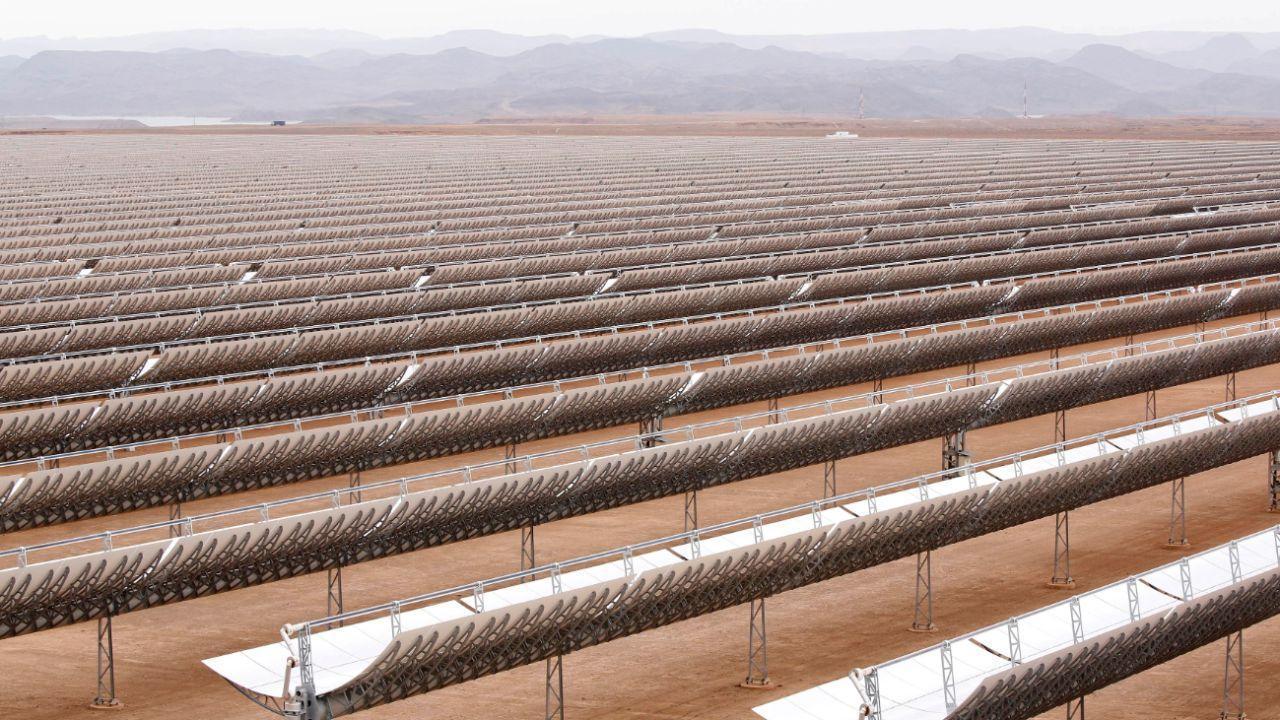
Photo:Reuters
In a historic step toward a cleaner and more sustainable future, Morocco has launched the world’s largest solar battery storage facility in the city of Ouarzazate. This major development is part of the country’s ongoing efforts to reduce its dependence on fossil fuels and move toward renewable energy. The solar battery plant, linked with the Noor Ouarzazate Solar Complex, is set to become a global benchmark for energy storage and green infrastructure.
With global energy demands rising and the need to combat climate change growing more urgent, Morocco’s ambitious project has earned praise from international energy experts, environmental organizations, and government leaders across the globe. The battery system marks a new phase in how renewable energy can be captured, stored, and used when needed — not just when the sun shines.
The Project at a Glance
Located on the edge of the Sahara Desert, the city of Ouarzazate already hosts one of the largest solar farms in the world. The Noor Solar Complex began operations in 2016 and has since become a symbol of Morocco’s renewable energy ambitions. Now, with the addition of the world’s largest solar battery plant, the complex takes on a more powerful role — not just producing solar energy but storing it as well.
The newly launched battery plant has a capacity of more than 1,000 megawatt-hours (MWh). This means it can store enough electricity to power more than one million homes for several hours. The stored energy can be released during nighttime, cloudy days, or peak demand hours, making solar power available around the clock.
According to Morocco’s Ministry of Energy Transition and Sustainable Development, this battery system is the first of its kind on such a massive scale in Africa and among the largest globally. It uses advanced lithium-ion technology and thermal storage systems to hold energy efficiently and safely.
Why This Matters
One of the biggest challenges with solar and wind energy is their dependence on nature. Solar power is available only during the day, and wind power depends on weather conditions. That’s why energy storage is often called the "missing link" in the clean energy chain.
Morocco’s new battery plant solves this problem. It allows the country to collect sunlight during the day and use that energy at night or when the sun isn’t shining. This makes solar power more reliable and more useful to everyday consumers.
By balancing the energy supply, the battery system also helps reduce the risk of blackouts and overloads on the national electricity grid. This is especially important during high-demand periods, such as hot summer months or winter nights.
Towards Energy Independence
Morocco has few fossil fuel resources of its own and has long depended on imported oil, gas, and coal to meet its energy needs. As of 2020, the country imported about 90% of its energy. But this is changing quickly.
Over the last decade, Morocco has invested heavily in renewable energy, building wind farms, solar plants, and hydroelectric dams. Today, more than 40% of the country’s electricity comes from renewable sources. The government plans to increase this to 52% by 2030.
The solar battery project is expected to help Morocco reduce its imports of fossil fuels and save millions of dollars in energy costs. It also brings the country closer to becoming a regional energy hub, capable of exporting clean electricity to neighboring countries and even Europe.
Environmental Benefits
In addition to the economic and energy advantages, the battery storage plant will have significant environmental benefits. By relying more on clean solar energy and less on coal or oil, Morocco will reduce its carbon emissions by hundreds of thousands of tons each year.
This is especially important as the world faces increasing threats from climate change. Droughts, extreme heat, and water shortages are becoming more common in North Africa. Projects like this solar battery plant help slow down climate change and protect vulnerable ecosystems and communities.
The Noor Complex alone has already helped prevent over 750,000 tons of carbon dioxide emissions annually. With the new battery addition, that number will likely rise, making Morocco a leader in environmental responsibility.
Boosting Local Development
Beyond energy and climate goals, the battery plant is also creating new opportunities for local communities. Hundreds of workers were employed during the construction phase, and many will remain on staff to maintain and operate the facility.
The project has also brought training programs to the region, teaching young engineers and technicians how to work with advanced battery and solar technology. This is building a new generation of skilled workers in Morocco’s green energy sector.
Additionally, the improved stability and quality of electricity will benefit local towns and rural villages. With better power access, businesses can operate more smoothly, schools can run computer labs, and homes can enjoy lighting and appliances with fewer outages.
Global Praise and Regional Impact
The solar battery project has drawn attention from international organizations, including the United Nations, the International Renewable Energy Agency (IRENA), and the World Bank, which helped fund the original Noor project.
These organizations see Morocco’s progress as a model for other developing countries. Many nations in Africa and the Middle East have strong sun exposure but lack the infrastructure to use it. Morocco is showing that with smart planning, investment, and international cooperation, even countries with limited natural fuel resources can become clean energy leaders.
The new plant may also play a role in regional energy cooperation. Morocco has already connected its power grid with Spain and Algeria. With battery storage now in place, the country can export electricity more reliably and attract more foreign investment in its energy sector.









DAE Achieves Remarkable Growth in Q1 2026 With Record Revenue
Dubai Aerospace Enterprise announces impressive financial results for Q1 2026, reflecting a surge in

Price Increase for Sony PS5 in Southeast Asia Effective May 1
Sony announces a price increase for the PS5 across Southeast Asia starting May 1, 2026, impacting ga

Potential ‘Super El Niño’ in 2026: Understanding the Climate Risks
Could a Super El Niño emerge in 2026? Discover its implications and potential global climate impacts

Global Energy Crisis Intensifies: Markets React to Oil Supply Challenges
Markets are on edge as oil disruptions escalate, influencing prices and economic stability. Explore

Must-See Tourist Spots in London You Can't Overlook
Explore London's essential attractions, from royal landmarks to vibrant markets, ensuring an unforge

Ultimate Guide to Snagging Cheap Flights in 2026
Unlock the secrets to booking affordable flights in 2026 with insightful tips and strategies tailore




