Post by : Saif Nasser
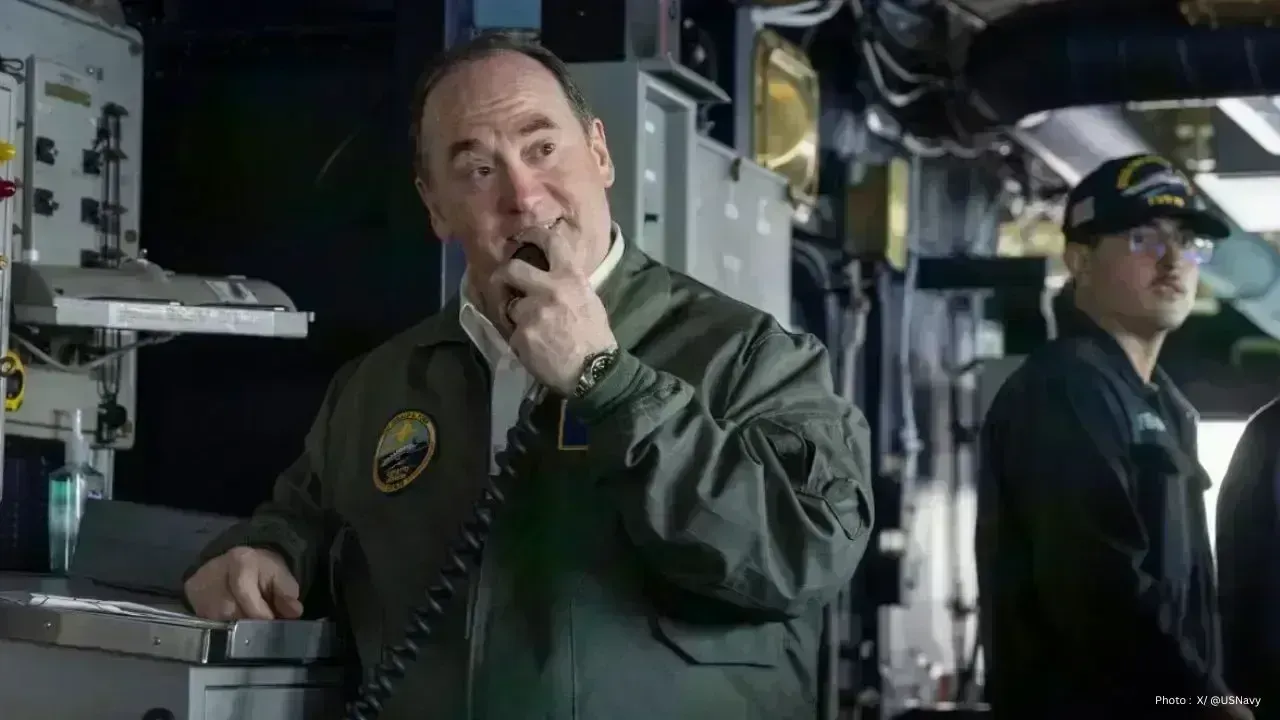
The resignation of John Phelan as US Navy Secretary comes at a time of rising tension in the Middle East. His decision to step down has drawn attention not only because of his position, but also because it comes while Iran’s naval blockade continues to disrupt key shipping routes.
The blockade has affected important sea lanes that are used for global trade, especially for oil transport. These routes are vital for many countries, and any disruption can quickly impact fuel prices and supply chains. As a result, the situation has become a serious concern for the global economy.
The timing of Phelan’s resignation has led to questions about the challenges faced by the US Navy during this crisis. While no single reason may explain his decision, it comes during a period when military leadership is under pressure to manage rising risks in the region. The US has been closely monitoring the situation and has taken steps to ensure the safety of international shipping.
Iran’s naval blockade is part of a broader conflict that has been developing over time. Tensions between Iran and the United States have increased due to disagreements over security, regional influence, and military actions. The blockade is seen as a strong move by Iran to show control over key waters and respond to pressure from other nations.
For global trade, the impact is already visible. Ships are taking longer routes to avoid risky areas, which increases travel time and cost. This has led to higher shipping charges and delays in delivery. Many industries depend on smooth supply chains, so any disruption can create wider economic effects.
The resignation also highlights the importance of strong leadership during uncertain times. The US Navy plays a key role in maintaining security at sea, and leadership changes can influence how quickly and effectively decisions are made. Stability in leadership is important when dealing with fast-changing situations like this one.
At the same time, the situation shows how closely connected global systems have become. A blockade in one region can affect trade, prices, and economies across the world. It also increases the risk of further conflict if tensions are not managed carefully.
There is now a growing need for diplomatic efforts to reduce tension and restore normal shipping activity. Military action alone cannot provide a long-term solution. Dialogue and cooperation between countries will be important to bring stability back to the region.
The resignation of John Phelan and the ongoing blockade together highlight a period of uncertainty. The coming days will be important in shaping how the situation develops and whether steps can be taken to ease tensions and protect global trade.









DAE Achieves Remarkable Growth in Q1 2026 With Record Revenue
Dubai Aerospace Enterprise announces impressive financial results for Q1 2026, reflecting a surge in

Price Increase for Sony PS5 in Southeast Asia Effective May 1
Sony announces a price increase for the PS5 across Southeast Asia starting May 1, 2026, impacting ga

Potential ‘Super El Niño’ in 2026: Understanding the Climate Risks
Could a Super El Niño emerge in 2026? Discover its implications and potential global climate impacts

Global Energy Crisis Intensifies: Markets React to Oil Supply Challenges
Markets are on edge as oil disruptions escalate, influencing prices and economic stability. Explore

Must-See Tourist Spots in London You Can't Overlook
Explore London's essential attractions, from royal landmarks to vibrant markets, ensuring an unforge

Ultimate Guide to Snagging Cheap Flights in 2026
Unlock the secrets to booking affordable flights in 2026 with insightful tips and strategies tailore




