Post by : Saif Nasser
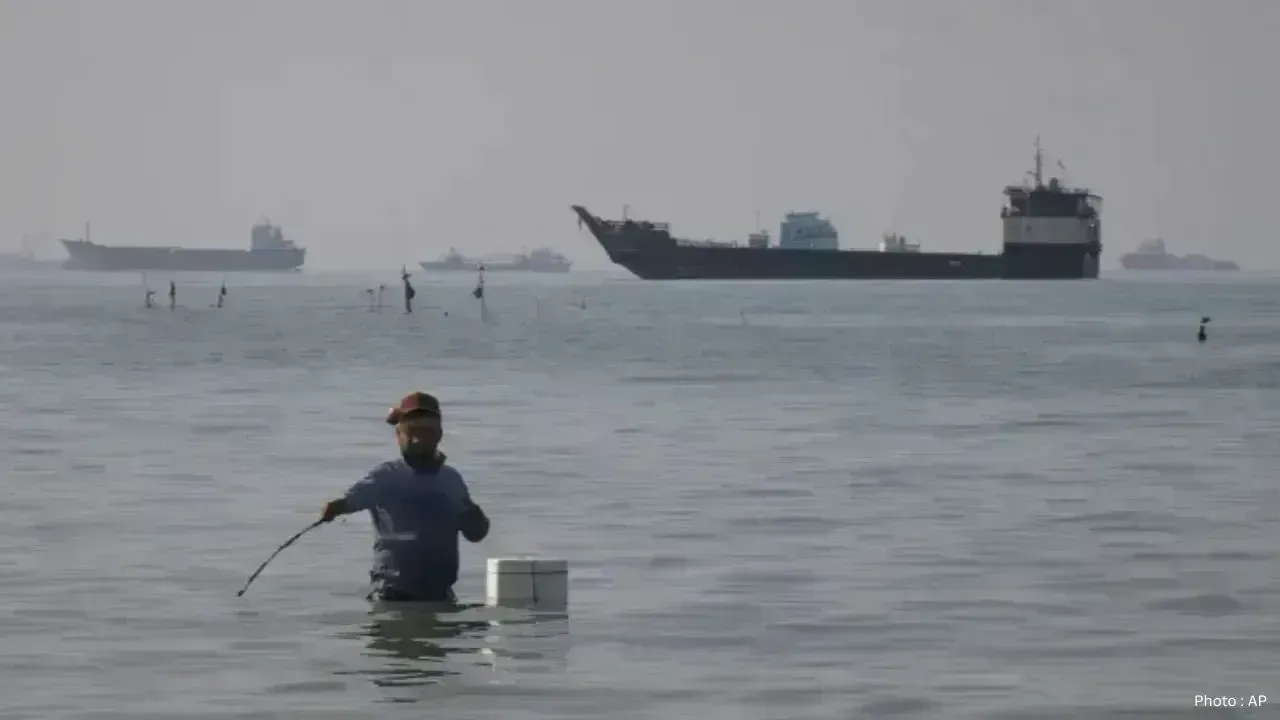
Tensions in the Middle East have taken a serious turn after Iran accused the United States of killing five civilians during attacks on boats in the Strait of Hormuz. This claim has added to the growing concerns about safety, conflict, and the risk of civilian casualties in the region.
According to Iranian officials, the incident happened when US forces targeted what they believed were hostile boats. Iran, however, says the boats were carrying civilians and were not part of any military activity. Reports suggest that two small cargo or passenger boats were hit while traveling between Oman and Iran, leading to the deaths of five people.
On the other side, the United States has given a different version of events. US military officials say they destroyed several small boats that were seen as threats to commercial ships in the area. These actions were part of a larger operation aimed at protecting shipping routes in the Strait of Hormuz, which is a key global oil route.
This difference in claims highlights a major problem during conflicts—truth often becomes unclear. Each side presents its own version, making it difficult for the world to know exactly what happened. Independent verification is also challenging because the area is highly sensitive and controlled.
The Strait of Hormuz is one of the most important waterways in the world. A large share of global oil passes through this narrow route every day. Because of this, any conflict in the region quickly becomes a global concern. Recent military actions, including missile launches, drone attacks, and naval operations, have already increased tension in the area.
The reported deaths of civilians have raised serious humanitarian concerns. Civilian safety is supposed to be protected under international law, even during war. Incidents like this bring attention to the risks faced by ordinary people who are not part of the conflict but are caught in its path.
This is not the first time civilian casualties have been reported during the ongoing conflict. Earlier reports also pointed to deaths of sailors, workers, and other non-combatants in attacks linked to the war. These repeated incidents show how dangerous the situation has become for people living and working in the region.
Another important issue is the growing mistrust between countries. Accusations like these can make diplomatic efforts more difficult. When both sides blame each other, it becomes harder to find common ground and reduce tension.
The situation also affects global stability. Conflicts in the Middle East often have wide-reaching effects, including rising oil prices, disruption of trade routes, and increased military presence. These factors impact not only the region but also countries around the world.
Experts believe that continued military action increases the risk of further mistakes or misunderstandings. In crowded and tense environments like the Strait of Hormuz, even a small error can lead to serious consequences.
Calls for investigation and accountability are likely to grow after this incident. Many will demand clear answers about what happened and whether the rules of engagement were followed properly.
The larger concern now is how such incidents can be prevented in the future. Reducing tension, improving communication, and ensuring strict rules for military action are important steps. Without these measures, the risk to civilian lives will remain high.
The latest developments serve as a reminder that modern conflicts are not limited to battlefields. They often affect ordinary people in direct and tragic ways. As tensions continue, the focus must remain on protecting human life and finding ways to avoid further escalation.







DAE Achieves Remarkable Growth in Q1 2026 With Record Revenue
Dubai Aerospace Enterprise announces impressive financial results for Q1 2026, reflecting a surge in

Price Increase for Sony PS5 in Southeast Asia Effective May 1
Sony announces a price increase for the PS5 across Southeast Asia starting May 1, 2026, impacting ga

Potential ‘Super El Niño’ in 2026: Understanding the Climate Risks
Could a Super El Niño emerge in 2026? Discover its implications and potential global climate impacts

Global Energy Crisis Intensifies: Markets React to Oil Supply Challenges
Markets are on edge as oil disruptions escalate, influencing prices and economic stability. Explore

Must-See Tourist Spots in London You Can't Overlook
Explore London's essential attractions, from royal landmarks to vibrant markets, ensuring an unforge

Ultimate Guide to Snagging Cheap Flights in 2026
Unlock the secrets to booking affordable flights in 2026 with insightful tips and strategies tailore




