Post by : Saif Nasser
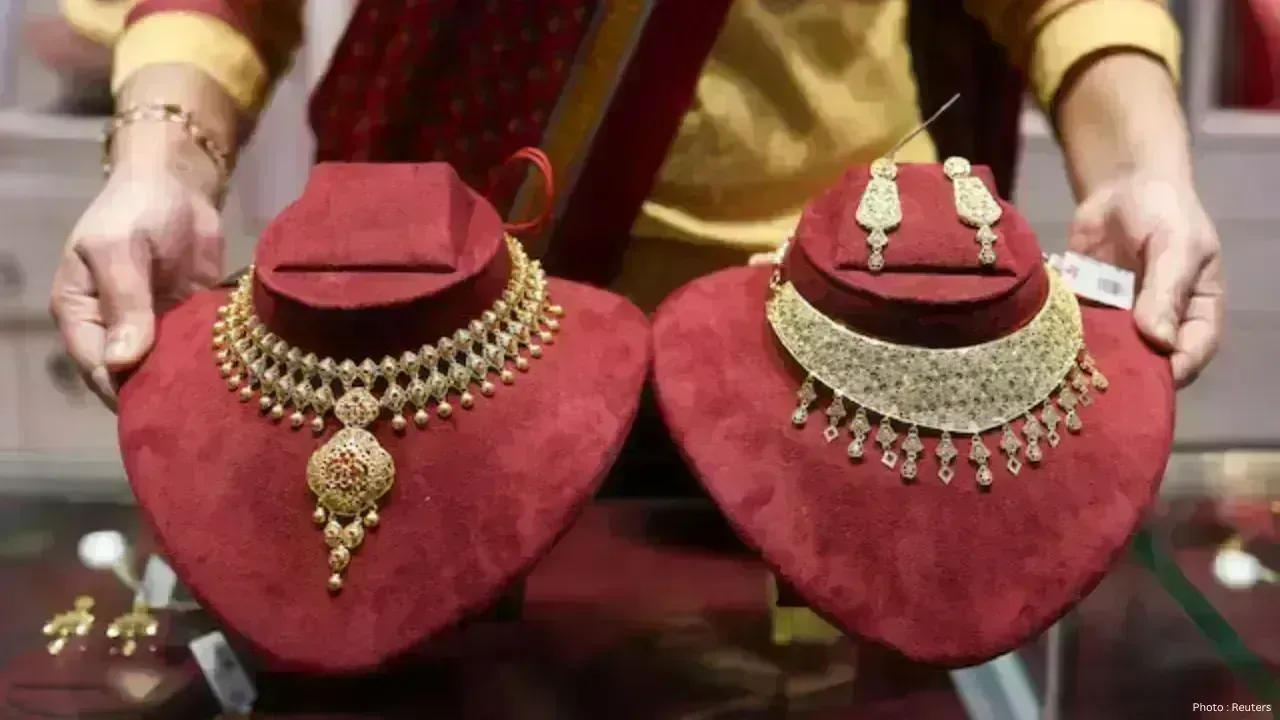
Gold prices have shown a recovery after falling to their lowest level in a month, but the rise is not very strong. Ongoing concerns about inflation are stopping gold from gaining more value, creating a mixed situation for investors and markets.
Gold is often seen as a safe investment. When there is uncertainty in the economy, people tend to buy gold to protect their money. This is why gold prices usually rise during times of risk or financial instability. The recent rebound shows that some investors are again turning to gold after the earlier drop.
However, the increase in gold prices has been limited. One major reason is the fear of rising inflation. Inflation means that the prices of goods and services are going up. While gold is normally considered a good hedge against inflation, the current situation is slightly different.
When inflation rises, central banks often increase interest rates to control it. Higher interest rates make other investments like bonds more attractive because they offer better returns. In such cases, investors may move their money away from gold, which does not provide regular income like interest or dividends.
This shift in investor behavior is one of the main reasons why gold prices are not rising sharply, even after the recent recovery. The balance between inflation fears and interest rate expectations is keeping gold in a narrow range.
Another factor affecting gold prices is the strength of the US dollar. Gold is usually priced in dollars, so when the dollar becomes stronger, gold becomes more expensive for buyers using other currencies. This can reduce demand and limit price growth.
Global economic conditions also play an important role. Uncertainty in markets, changes in trade policies, and geopolitical tensions can all influence gold prices. Investors keep a close watch on these factors before making decisions.
The recent rebound in gold prices suggests that there is still demand for safe investments. However, the limited growth shows that investors are also being cautious. They are waiting for clearer signals about inflation and interest rates before making strong moves.
For everyday investors, this situation means that gold may not see sharp increases in the short term. Prices could remain stable or move slowly depending on economic developments. People who invest in gold often look at it as a long-term asset rather than a quick profit option.
The current trend highlights the complex nature of the global economy. Different factors like inflation, interest rates, currency strength, and market confidence are all affecting gold prices at the same time.
As markets continue to watch inflation trends and central bank decisions, gold prices are likely to remain sensitive to any new developments. The coming weeks will be important in deciding whether gold can build on its recent recovery or continue to face pressure.








DAE Achieves Remarkable Growth in Q1 2026 With Record Revenue
Dubai Aerospace Enterprise announces impressive financial results for Q1 2026, reflecting a surge in

Price Increase for Sony PS5 in Southeast Asia Effective May 1
Sony announces a price increase for the PS5 across Southeast Asia starting May 1, 2026, impacting ga

Potential ‘Super El Niño’ in 2026: Understanding the Climate Risks
Could a Super El Niño emerge in 2026? Discover its implications and potential global climate impacts

Global Energy Crisis Intensifies: Markets React to Oil Supply Challenges
Markets are on edge as oil disruptions escalate, influencing prices and economic stability. Explore

Must-See Tourist Spots in London You Can't Overlook
Explore London's essential attractions, from royal landmarks to vibrant markets, ensuring an unforge

Ultimate Guide to Snagging Cheap Flights in 2026
Unlock the secrets to booking affordable flights in 2026 with insightful tips and strategies tailore




