Post by : Monika
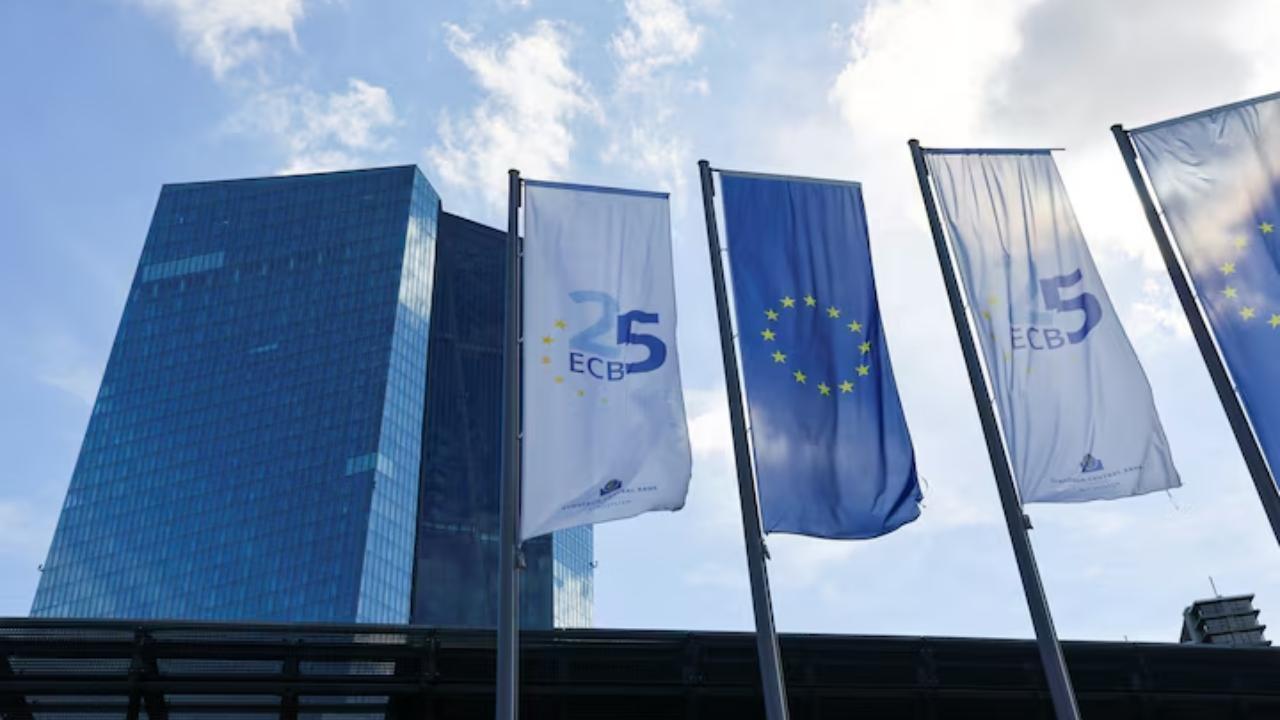
Photo: Reuters
On July 26, 2025, Andrea Cipollone, a member of the Executive Board of the European Central Bank (ECB), shared important views about inflation in the Eurozone. According to Cipollone, the risks of inflation going up or down in the Eurozone are balanced. This means that there is no clear sign that prices will rise sharply or fall significantly in the near future. This statement was reported by several newspapers.
What Is Inflation and Why Does It Matter?
Inflation means the general increase in prices of goods and services over time. When inflation is too high, it makes things more expensive for people, which can hurt the economy and reduce how much people can buy. When inflation is too low or prices fall (deflation), it can also harm the economy by causing people to delay spending, which can slow down growth and cause job losses.
The European Central Bank is responsible for keeping inflation under control in the Eurozone. The Eurozone is a group of 20 countries that use the euro as their currency. The ECB’s goal is to keep inflation close to, but below, 2%. This level is seen as healthy because it encourages steady growth without making money lose value too quickly.
Cipollone’s View on Current Inflation Risks
Andrea Cipollone said that right now, the inflation risks in the Eurozone are balanced. This means that the chance of inflation rising too fast is about the same as the chance of it falling too low. There is no strong reason to believe that prices will change sharply in either direction soon.
This is important news because it shows that the ECB can continue to focus on steady policies without worrying about an immediate crisis. It suggests that the current situation in the economy is stable enough for now, although the bank will keep watching closely.
Background on Inflation in the Eurozone
In recent years, many countries, including those in the Eurozone, have faced challenges with inflation. After the COVID-19 pandemic, supply problems and high energy prices caused inflation to rise in many places. The ECB responded by raising interest rates to try to slow down inflation and keep prices from going too high.
Higher interest rates mean it costs more to borrow money, so people and companies spend less. This helps reduce demand and can slow price increases. But raising rates too much can hurt growth, so the ECB must balance its actions carefully.
What “Balanced Risks” Mean for Policy
When a central bank official says that inflation risks are balanced, it means that the current policy approach is appropriate. The ECB doesn’t need to rush to make big changes, but it also cannot ignore possible problems that might come later.
Cipollone’s statement suggests the ECB will continue its careful approach. It will likely keep interest rates steady or make small adjustments as needed to ensure inflation stays near the target. The bank will watch economic data closely and respond if inflation starts moving too far up or down.
Why This Matters to People in the Eurozone
Stable inflation is important for everyday life. When prices rise too fast, it makes it harder for families to afford groceries, rent, and other essentials. When prices fall or inflation is very low, businesses might cut jobs or stop investing.
Cipollone’s message gives hope that the economic situation will stay steady, helping people plan their budgets and businesses to make investment decisions with confidence.
The ECB’s Challenge Ahead
Because of these factors, the ECB will continue to watch inflation trends carefully. Its goal is to prevent sharp rises or falls in prices, ensuring steady economic growth and job creation.
Market Reactions and Expectations
Following Cipollone’s remarks, financial markets showed signs of relief. Investors tend to favor stability because it reduces uncertainty. When inflation risks are balanced, it makes it easier for businesses to plan and invest.
Banks, companies, and consumers all benefit from a predictable economic environment. Cipollone’s comments suggest the ECB is confident in its current path, which may ease concerns about sudden rate hikes or drastic policy changes.
What Could Change the Situation?
The Bigger Picture for Europe
The ECB’s role in keeping inflation stable supports these goals by creating a predictable economic environment.
On July 26, 2025, Andrea Cipollone of the European Central Bank said inflation risks in the Eurozone are balanced. This means the chance of prices rising too fast is about the same as the chance of prices falling. This suggests the ECB can continue careful policies without urgent changes.
Stable inflation helps families, businesses, and the overall economy. The ECB will keep watching economic conditions closely and adjust policies if needed. Markets welcomed the news, seeing it as a sign of steady economic management.
Europe faces many challenges ahead, but balanced inflation risks give hope for steady progress.
This update shows how important central banks are in managing the economy and supporting people’s lives through careful decisions. The ECB’s goal remains clear: keep inflation near 2% to promote steady growth and job creation.









DAE Achieves Remarkable Growth in Q1 2026 With Record Revenue
Dubai Aerospace Enterprise announces impressive financial results for Q1 2026, reflecting a surge in

Price Increase for Sony PS5 in Southeast Asia Effective May 1
Sony announces a price increase for the PS5 across Southeast Asia starting May 1, 2026, impacting ga

Potential ‘Super El Niño’ in 2026: Understanding the Climate Risks
Could a Super El Niño emerge in 2026? Discover its implications and potential global climate impacts

Global Energy Crisis Intensifies: Markets React to Oil Supply Challenges
Markets are on edge as oil disruptions escalate, influencing prices and economic stability. Explore

Must-See Tourist Spots in London You Can't Overlook
Explore London's essential attractions, from royal landmarks to vibrant markets, ensuring an unforge

Ultimate Guide to Snagging Cheap Flights in 2026
Unlock the secrets to booking affordable flights in 2026 with insightful tips and strategies tailore




