Post by : Saif Nasser
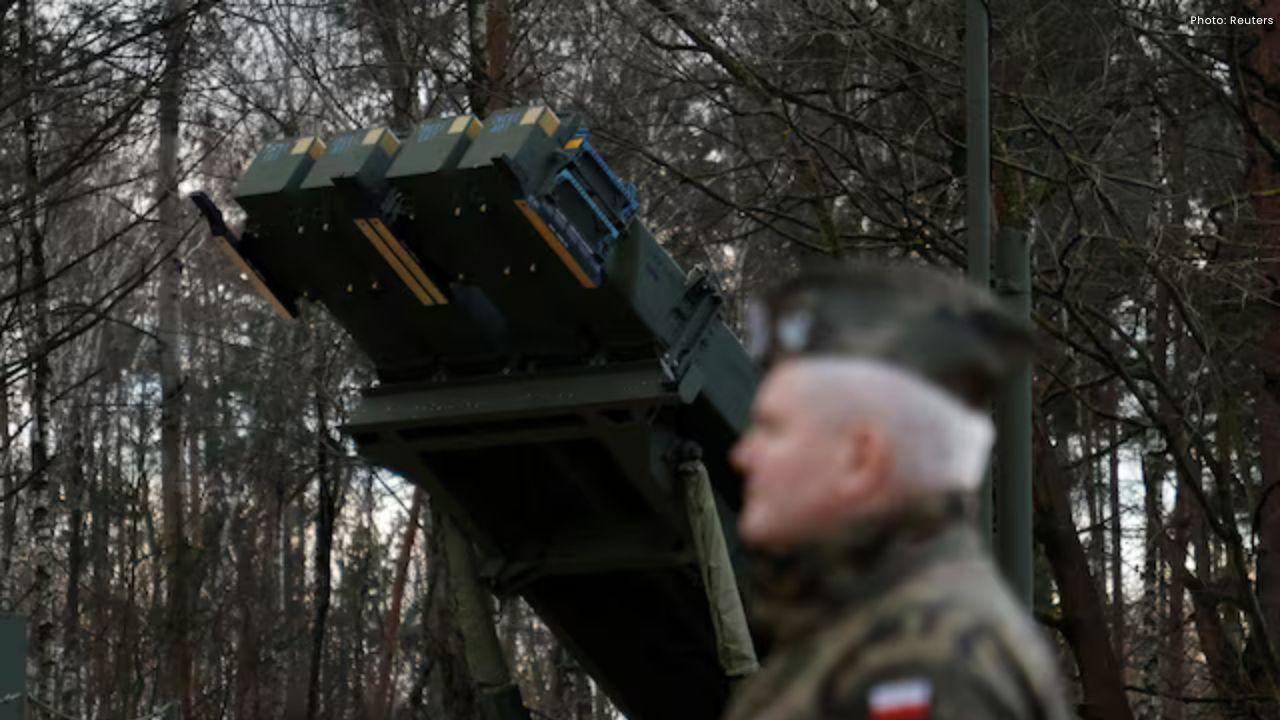
Europe has become the largest importer of weapons in the world, according to a new study by the Stockholm International Peace Research Institute (SIPRI). The report shows that European countries have sharply increased their purchases of military equipment over the past few years as they respond to growing security threats and the ongoing war in Ukraine.
The findings highlight a major change in global defense trends. For many years, Europe reduced its military spending after the Cold War ended. However, the security situation on the continent has changed quickly since Russia launched its invasion of Ukraine in 2022. Many governments now believe they must strengthen their armed forces to protect their countries and support their allies.
The SIPRI report found that Europe accounted for about one-third of all global arms imports between 2021 and 2025. This is a huge increase compared with the previous five-year period, when Europe represented only about 12 percent of the world’s weapons imports. The rapid growth shows how seriously European governments are taking new security challenges.
Many countries in Europe have started large military modernization programs. Governments are buying advanced fighter jets, missile defense systems, armored vehicles, drones, and modern surveillance technology. These purchases are designed to improve military readiness and ensure that armed forces are prepared for possible future conflicts.
A large part of this military equipment is being purchased from the United States, which remains the world’s largest exporter of weapons. American defense companies supply a wide range of advanced military systems, including aircraft, missile systems, and high-tech defense equipment. The United States currently accounts for more than 40 percent of global arms exports, giving it a dominant position in the international defense market.
France has also strengthened its role as a major weapons exporter. French defense companies have increased sales of fighter aircraft, naval vessels, and other military systems to several countries. As a result, France now holds a significant share of the global arms export market.
At the same time, Russia’s position as a global weapons supplier has weakened. The report shows that Russian arms exports have dropped sharply over the past few years. International sanctions, production challenges, and the demands of the war in Ukraine have reduced Russia’s ability to supply weapons to other countries.
Some nations that once relied heavily on Russian weapons are now looking for alternative suppliers. Many of them are turning to the United States, European manufacturers, or other global defense companies to replace older military equipment.
The war in Ukraine has played a major role in changing Europe’s defense policies. Since the conflict began, European countries have sent large amounts of military aid to Ukraine, including artillery systems, air defense weapons, and armored vehicles. While supporting Ukraine, many governments have also realized that their own military stockpiles were too small and needed to be rebuilt.
As a result, defense budgets across Europe have increased significantly. Countries such as Germany, Poland, and several Nordic nations have announced major increases in military spending. Some governments are also planning to expand their armed forces and invest in new technologies such as cyber defense and space-based security systems.
Another important goal for Europe is to strengthen its own defense industry. European leaders have said that the continent should produce more of its own military equipment instead of relying too heavily on foreign suppliers. However, building strong domestic production capacity takes time and large financial investments. Until that happens, Europe will likely continue importing a significant amount of weapons.
The increase in global arms trade reflects a broader shift in the international security environment. Many governments believe that geopolitical tensions are rising, and they are preparing their militaries for a more uncertain future.
Although Europe’s arms imports have grown rapidly, some other regions have experienced different trends. For example, arms imports in the Middle East have declined slightly during the same period. However, several countries in the region remain among the world’s biggest buyers of military equipment due to ongoing security challenges.
Experts say the current rise in defense spending could have long-term consequences. Some analysts warn that increased military purchases may lead to a global arms race, where countries continue expanding their military capabilities to keep up with rivals.
Others argue that strong defense systems can help maintain peace by discouraging potential aggression. According to this view, countries that are well prepared militarily may be less likely to face attacks.
For Europe, the main priority is ensuring security in an increasingly unpredictable world. The war in Ukraine has reminded governments that peace cannot always be taken for granted and that strong defense capabilities remain important.
The rise of Europe as the world’s largest arms importer shows how dramatically global security concerns have changed in recent years. As international tensions continue to evolve, military spending and arms purchases are likely to remain an important part of global politics for the foreseeable future.









DAE Achieves Remarkable Growth in Q1 2026 With Record Revenue
Dubai Aerospace Enterprise announces impressive financial results for Q1 2026, reflecting a surge in

Price Increase for Sony PS5 in Southeast Asia Effective May 1
Sony announces a price increase for the PS5 across Southeast Asia starting May 1, 2026, impacting ga

Potential ‘Super El Niño’ in 2026: Understanding the Climate Risks
Could a Super El Niño emerge in 2026? Discover its implications and potential global climate impacts

Global Energy Crisis Intensifies: Markets React to Oil Supply Challenges
Markets are on edge as oil disruptions escalate, influencing prices and economic stability. Explore

Must-See Tourist Spots in London You Can't Overlook
Explore London's essential attractions, from royal landmarks to vibrant markets, ensuring an unforge

Ultimate Guide to Snagging Cheap Flights in 2026
Unlock the secrets to booking affordable flights in 2026 with insightful tips and strategies tailore




