Post by : Saif Nasser
A recent train collision in Denmark has raised fresh concerns about rail safety, even in countries known for strong transport systems. The accident took place near Copenhagen, where two local trains collided during the early morning hours, leaving several people injured.
The crash happened on a busy route used by daily commuters, including workers and students. Reports said that at least a few passengers suffered serious injuries, while others had minor wounds. Emergency teams responded quickly, sending ambulances and rescue workers to the scene. All passengers were evacuated safely, and the injured were taken to nearby hospitals for treatment.
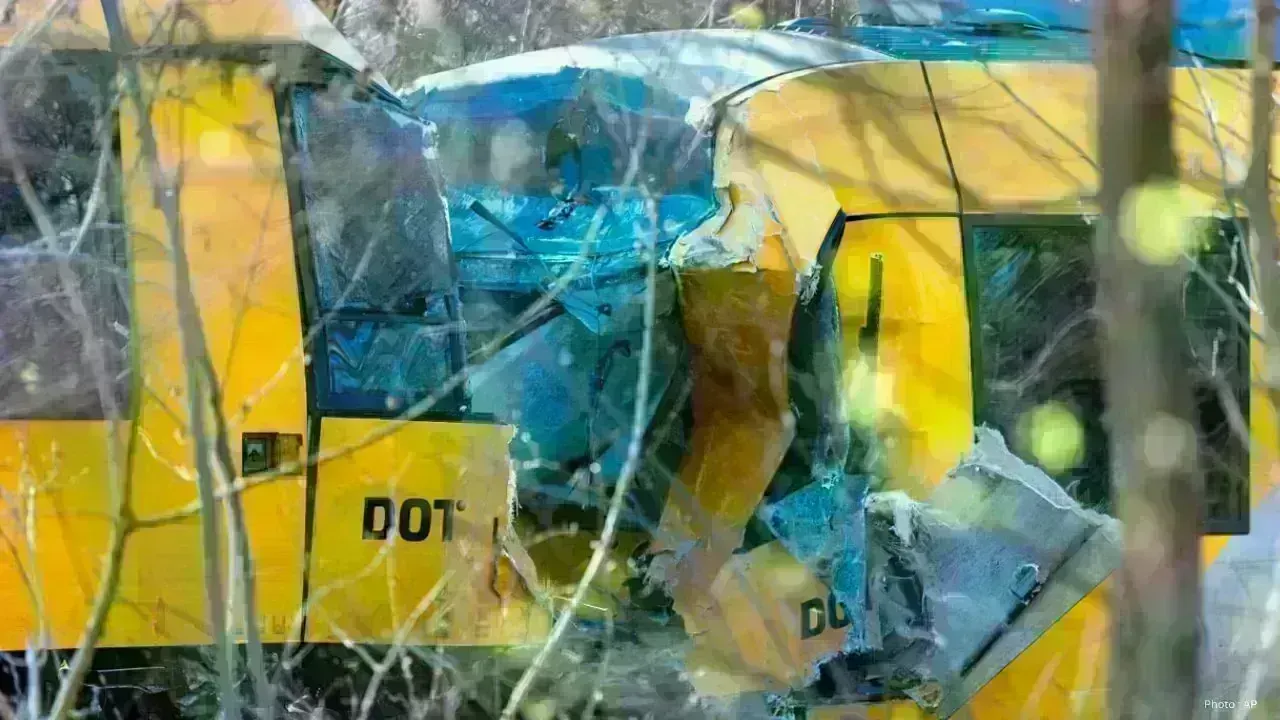
Images from the accident site showed visible damage to the front sections of both trains. Despite the impact, the trains remained on the tracks, which helped avoid a more serious disaster. Authorities have launched an investigation to understand the exact cause of the collision.
This incident highlights an important issue—rail safety must remain a top priority at all times. Train travel is generally considered safe, especially in developed countries like Denmark. However, accidents like this show that risks still exist and need constant attention.
Modern rail systems use advanced technology such as signaling systems, automated controls, and communication networks to prevent accidents. When a collision happens, it raises questions about whether there was a technical problem, human error, or both. A clear and detailed investigation will be important to find out what went wrong.
The timing of the crash also made the situation more serious. Early morning hours are often busy with people heading to work or school. This increases the chances of injuries and puts more pressure on emergency services to respond quickly. In this case, the fast response by rescue teams helped control the situation and reduce harm.
Rail accidents also affect public confidence. Many people depend on trains for safe and reliable travel every day. When such incidents occur, it can create fear and uncertainty. Authorities must take steps to restore trust by sharing clear updates and improving safety measures where needed.
This event serves as a reminder that safety is an ongoing responsibility. Regular system checks, proper staff training, and updated technology are essential to prevent such accidents in the future. Strong safety rules must always be followed without compromise.
The train collision in Denmark shows that even advanced transport systems are not free from risk. Continued focus on safety, quick emergency response, and honest investigation will be key to preventing similar incidents and ensuring safe travel for all passengers.








DAE Achieves Remarkable Growth in Q1 2026 With Record Revenue
Dubai Aerospace Enterprise announces impressive financial results for Q1 2026, reflecting a surge in

Price Increase for Sony PS5 in Southeast Asia Effective May 1
Sony announces a price increase for the PS5 across Southeast Asia starting May 1, 2026, impacting ga

Potential ‘Super El Niño’ in 2026: Understanding the Climate Risks
Could a Super El Niño emerge in 2026? Discover its implications and potential global climate impacts

Global Energy Crisis Intensifies: Markets React to Oil Supply Challenges
Markets are on edge as oil disruptions escalate, influencing prices and economic stability. Explore

Must-See Tourist Spots in London You Can't Overlook
Explore London's essential attractions, from royal landmarks to vibrant markets, ensuring an unforge

Ultimate Guide to Snagging Cheap Flights in 2026
Unlock the secrets to booking affordable flights in 2026 with insightful tips and strategies tailore




