Post by : Priya
PhotoReuters
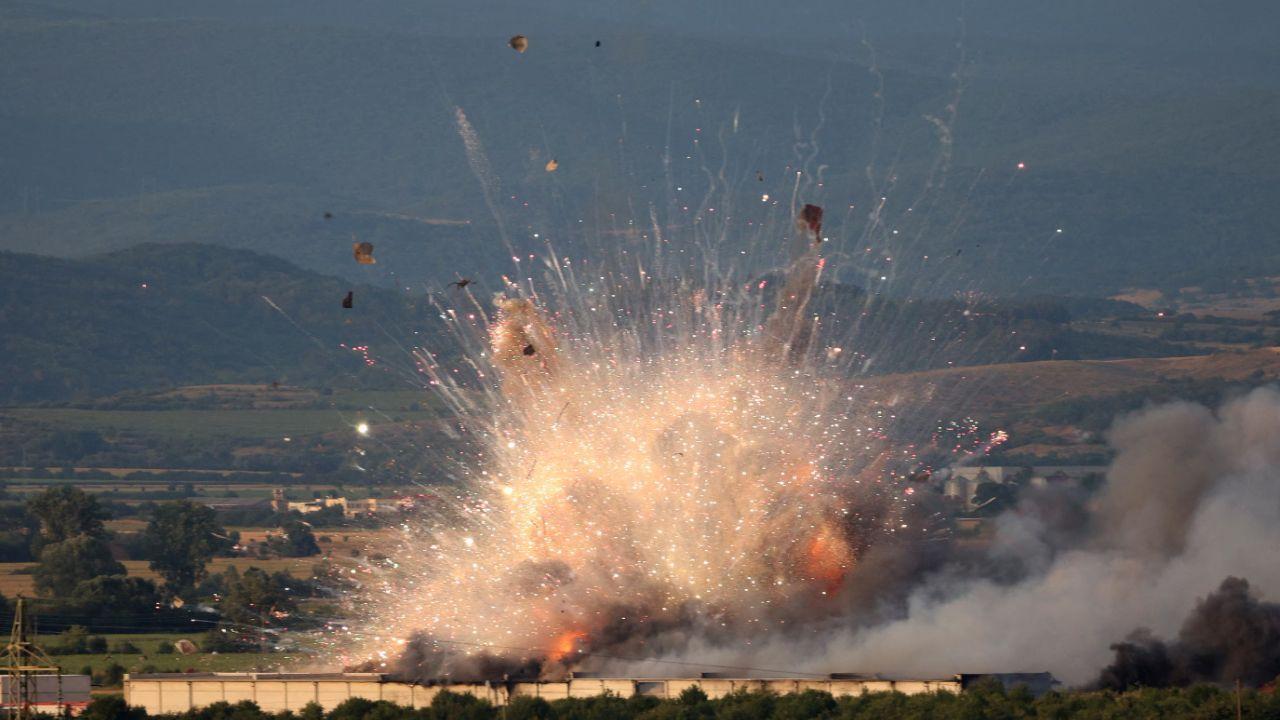
On the morning of July 30, 2025, a powerful explosion ripped through a fireworks factory in the Mueang district of Suphan Buri province, in central Thailand, just north of Bangkok. At least four lives have been confirmed lost, and several more suffered injuries. This heart-wrenching event marks yet another chapter in the ongoing saga of industrial disasters in Thailand’s fireworks sector, an industry that is both economically significant and perilously dangerous.
Understanding the Incident
The explosion struck just before midday, at approximately 11:00 a.m. local time. Emergency teams rushed to the scene as the factory lay in ruins, engulfed in smoke and debris. Officials have confirmed the deaths of four workers so far, with others hospitalized for injuries ranging from burns to trauma. The search for any missing persons continues amid safety concerns for rescue personnel and nearby residents.
The cause of the explosion remains under investigation. Speculation points to unsafe handling or storage of explosive materials, yet no definitive conclusions have been released. This uncertainty fuels public anxiety, underscoring the dire need for transparency and expedited inquiry.
Fireworks Manufacturing in Thailand: A Hazardous Legacy
Thailand is known globally for its vibrant cultural festivals featuring fireworks, and consequently, the fireworks industry plays a notable economic role in the country. However, this sector is fraught with risks. Handling and assembling explosive materials require rigorous safety protocols, specialized training, and strict regulatory oversight.
Historically, Thailand’s fireworks factories have been sites of multiple fatal accidents. Last year, a devastating explosion in the same province claimed the lives of at least 23 people. Such repeated tragedies paint a grim picture of systemic safety failings—often attributed to inadequate enforcement of regulations, poor working conditions, and profit-driven compromises.
The Human and Social Cost
Each statistic represents a human life and a community shattered. The loss of workers—many of whom come from vulnerable, low-income backgrounds—ripples through families and neighborhoods. Beyond grief, the economic burden weighs heavily, with some families losing primary breadwinners and facing uncertain futures.
The social implications also include heightened fears among factory workers, more caution in the industry’s operations, and growing calls from civil society for reforms to protect workers and surrounding communities.
Regulatory Gaps and Safety Failures
A critical question arises: why do such devastating incidents recur despite previous warnings and disasters? Investigations and expert analyses reveal gaps in regulatory compliance and enforcement. Safety inspections are often irregular or superficial, and factories may skirt genuine safety requirements to cut costs or meet production deadlines.
Moreover, worker training on hazards and emergency preparedness is frequently inadequate. Many employees lack proper protective equipment or are unaware of evacuation procedures, leaving them vulnerable in crisis situations.
Path Forward: Strengthening Safety and Accountability
This latest disaster in Suphan Buri reinforces the urgent necessity for a multifaceted response addressing:
The Role of Government and Industry Stakeholders
Government agencies must demonstrate leadership and commitment by prioritizing safety above economic considerations. Inter-agency coordination and partnerships with industry experts, labor unions, and community groups are vital to creating an accountable and safe working environment.
Industry leaders hold responsibility as well. Ethical business practices, transparent operations, and the willingness to implement international best practices can transform an unsafe sector into one that respects human life and dignity.







DAE Achieves Remarkable Growth in Q1 2026 With Record Revenue
Dubai Aerospace Enterprise announces impressive financial results for Q1 2026, reflecting a surge in

Price Increase for Sony PS5 in Southeast Asia Effective May 1
Sony announces a price increase for the PS5 across Southeast Asia starting May 1, 2026, impacting ga

Potential ‘Super El Niño’ in 2026: Understanding the Climate Risks
Could a Super El Niño emerge in 2026? Discover its implications and potential global climate impacts

Global Energy Crisis Intensifies: Markets React to Oil Supply Challenges
Markets are on edge as oil disruptions escalate, influencing prices and economic stability. Explore

Must-See Tourist Spots in London You Can't Overlook
Explore London's essential attractions, from royal landmarks to vibrant markets, ensuring an unforge

Ultimate Guide to Snagging Cheap Flights in 2026
Unlock the secrets to booking affordable flights in 2026 with insightful tips and strategies tailore




