
Post by : Shweta
The World Health Organization (WHO) has officially categorized the ongoing Ebola outbreak in the Democratic Republic of the Congo as a global health emergency after it has resulted in a minimum of 88 fatalities, prompting concerns about potential wider transmission.
Health authorities reported that the outbreak has been expanding across various regions, with medical personnel finding it challenging to manage infections in both secluded and densely populated areas. This declaration aims to bolster international coordination, enhance funding, and expedite emergency response initiatives to combat the deadly virus effectively.
Recent weeks have seen numerous confirmed and suspected cases of Ebola, leading emergency medical teams to initiate contact tracing, testing, quarantine protocols, and vaccination campaigns to halt further transmission.
The WHO underscored that the determination to classify this outbreak as a global emergency stems from an escalating risk of regional spread and concerns about the healthcare capacity in the impacted regions. Officials have highlighted that fragile medical infrastructures, migration patterns, and security issues could exacerbate containment efforts.
Ebola poses a severe health threat, often resulting in death, as it transmits through direct contact with the bodily fluids of infected individuals or contaminated materials. Symptoms may manifest as fever, weakness, vomiting, diarrhea, and internal bleeding. Historical Ebola outbreaks across Africa have led to numerous fatalities and significantly strained public health utilities.
Experts stress that swift identification of cases and community engagement are vital for controlling this outbreak. In response, international health organizations and aid agencies have started dispatching medical supplies, personal protective equipment, and healthcare professionals to assist local teams in Congo.
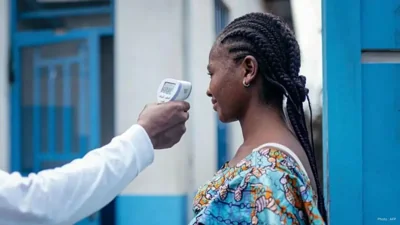
Authorities are also vigilantly observing neighboring nations to prevent cross-border spread. Screening measures have been enhanced at airports, border posts, and regional healthcare facilities as governments attempt to curtail the virus's reach.
The outbreak has instilled fear within local communities, particularly in regions where healthcare access is limited. Health workers have encountered obstacles linked to misinformation, distrust, and challenging working environments while managing patient care and public education efforts.
Global health professionals have cautioned that Ebola outbreaks pose a significant international threat, given the virus's potential for rapid spread if not promptly contained. Nevertheless, they emphasized the advancements in modern vaccines, improved medical response frameworks, and enhanced international collaboration, which have significantly bolstered outbreak response capabilities compared to past years.
The WHO is calling on countries worldwide to stay vigilant, support emergency health actions, and prevent panic as experts continue their work to manage the outbreak in Congo and avert further fatalities.








Anticipated Dates for UAE Eid Al Adha 2026 Unveiled by Astronomical Experts
Experts predict Eid Al Adha 2026 in the UAE to start on May 27, prompting early holiday planning amo

DAE Achieves Remarkable Growth in Q1 2026 With Record Revenue
Dubai Aerospace Enterprise announces impressive financial results for Q1 2026, reflecting a surge in

Price Increase for Sony PS5 in Southeast Asia Effective May 1
Sony announces a price increase for the PS5 across Southeast Asia starting May 1, 2026, impacting ga

Potential ‘Super El Niño’ in 2026: Understanding the Climate Risks
Could a Super El Niño emerge in 2026? Discover its implications and potential global climate impacts

Global Energy Crisis Intensifies: Markets React to Oil Supply Challenges
Markets are on edge as oil disruptions escalate, influencing prices and economic stability. Explore

Must-See Tourist Spots in London You Can't Overlook
Explore London's essential attractions, from royal landmarks to vibrant markets, ensuring an unforge




