Post by : Priya
Photo:Reuters
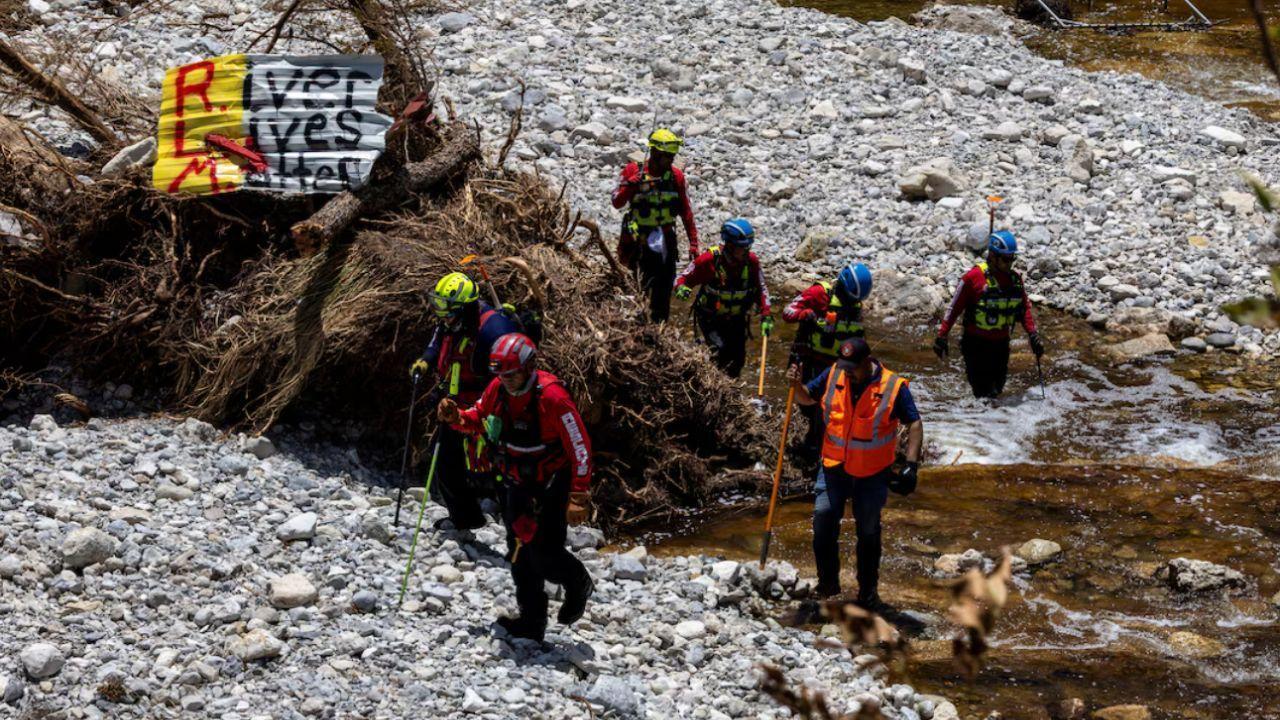
The Association of Southeast Asian Nations (ASEAN) has taken a significant step toward building a safer and more resilient future by agreeing on a joint disaster response plan. In a region regularly affected by natural calamities, this move represents a major shift in how Southeast Asian countries work together during times of crisis. The agreement, finalized during a high-level summit in Jakarta, Indonesia, reflects the increasing need for cross-border cooperation in the face of rising climate threats and natural disasters.
Why This Plan Was Needed
ASEAN is made up of 10 member countries: Indonesia, Malaysia, the Philippines, Singapore, Thailand, Vietnam, Brunei, Cambodia, Laos, and Myanmar. These countries share more than geography; they also share vulnerabilities. Over the past decade, Southeast Asia has been struck by a series of devastating disasters:
The 2018 Sulawesi earthquake and tsunami in Indonesia killed over 4,000 people.
Super Typhoon Haiyan in the Philippines (2013) left more than 6,000 dead.
Seasonal flooding in Vietnam and Thailand has destroyed thousands of homes annually.
Each of these disasters caused immense suffering and required international assistance. However, response efforts have often been delayed, uncoordinated, or hampered by lack of shared protocols. ASEAN leaders have recognized that acting together can lead to faster, more effective disaster response.
The increasing intensity and frequency of climate-related events have added urgency. With global warming accelerating, experts predict more extreme weather in the years ahead. This plan is ASEAN’s answer to that growing threat.
What the Joint Disaster Plan Includes
The newly adopted joint disaster response plan is built on five key pillars:
This structure ensures that when disaster strikes one country, help can arrive from neighbors quickly and efficiently.
How It Will Work in Practice
Here’s a simple example of how the plan would function:
If a typhoon hits the Philippines, and the local authorities are overwhelmed, the Philippine government can immediately request support through the ASEAN disaster hub. Within hours:
Instead of waiting for help from distant nations, ASEAN members now support each other first. This can save critical time—and lives.
Funding and International Support
The plan will be funded through a shared ASEAN Disaster Response Fund. Each country will contribute a fixed amount annually, depending on its capacity. The fund will cover logistics, training, and equipment costs.
In addition, global partners like the European Union, Japan, and Australia have offered technical and financial support. These countries have experience in disaster management and see ASEAN’s cooperation as a model worth investing in.
The United Nations Office for Disaster Risk Reduction (UNDRR) has also welcomed the plan, calling it “a major step forward in regional safety and resilience.”
What Experts Say
Disaster experts, environmental scientists, and humanitarian agencies have reacted positively to the announcement. Here are some of their thoughts:
Dr. Anika Lim, climate scientist from the University of Manila:
“Climate disasters do not stop at borders. This joint plan acknowledges that and builds a system where nations help each other quickly.”
Rajiv Kumar, disaster relief expert at the Red Crescent Society:
“This is a textbook case of regional collaboration. ASEAN has learned from past disasters and is turning pain into preparedness.”
UNDRR spokesperson, Geneva:
“ASEAN’s model shows how countries can act locally while thinking regionally. This is the future of disaster response.”
Public support has also been strong. Many people across Southeast Asia took to social media to praise the initiative, calling it a "hopeful move in difficult times."
Past Lessons That Shaped the Plan
ASEAN’s joint disaster plan didn’t happen overnight. It is the result of years of smaller steps:
The ASEAN Agreement on Disaster Management and Emergency Response (AADMER), signed in 2005, laid the legal groundwork.
The ASEAN Coordinating Centre for Humanitarian Assistance (AHA Centre), based in Jakarta, has been active since 2011. It handled dozens of responses, including the 2020 floods in Cambodia.
However, those earlier efforts lacked the strength, speed, and scale needed for major disasters.
This new plan builds on those experiences but goes further. It provides the budget, authority, and mechanisms to act fast.
Strengths and Challenges Ahead
Strengths:
Challenges:









DAE Achieves Remarkable Growth in Q1 2026 With Record Revenue
Dubai Aerospace Enterprise announces impressive financial results for Q1 2026, reflecting a surge in

Price Increase for Sony PS5 in Southeast Asia Effective May 1
Sony announces a price increase for the PS5 across Southeast Asia starting May 1, 2026, impacting ga

Potential ‘Super El Niño’ in 2026: Understanding the Climate Risks
Could a Super El Niño emerge in 2026? Discover its implications and potential global climate impacts

Global Energy Crisis Intensifies: Markets React to Oil Supply Challenges
Markets are on edge as oil disruptions escalate, influencing prices and economic stability. Explore

Must-See Tourist Spots in London You Can't Overlook
Explore London's essential attractions, from royal landmarks to vibrant markets, ensuring an unforge

Ultimate Guide to Snagging Cheap Flights in 2026
Unlock the secrets to booking affordable flights in 2026 with insightful tips and strategies tailore




