Post by : Raina Nasser
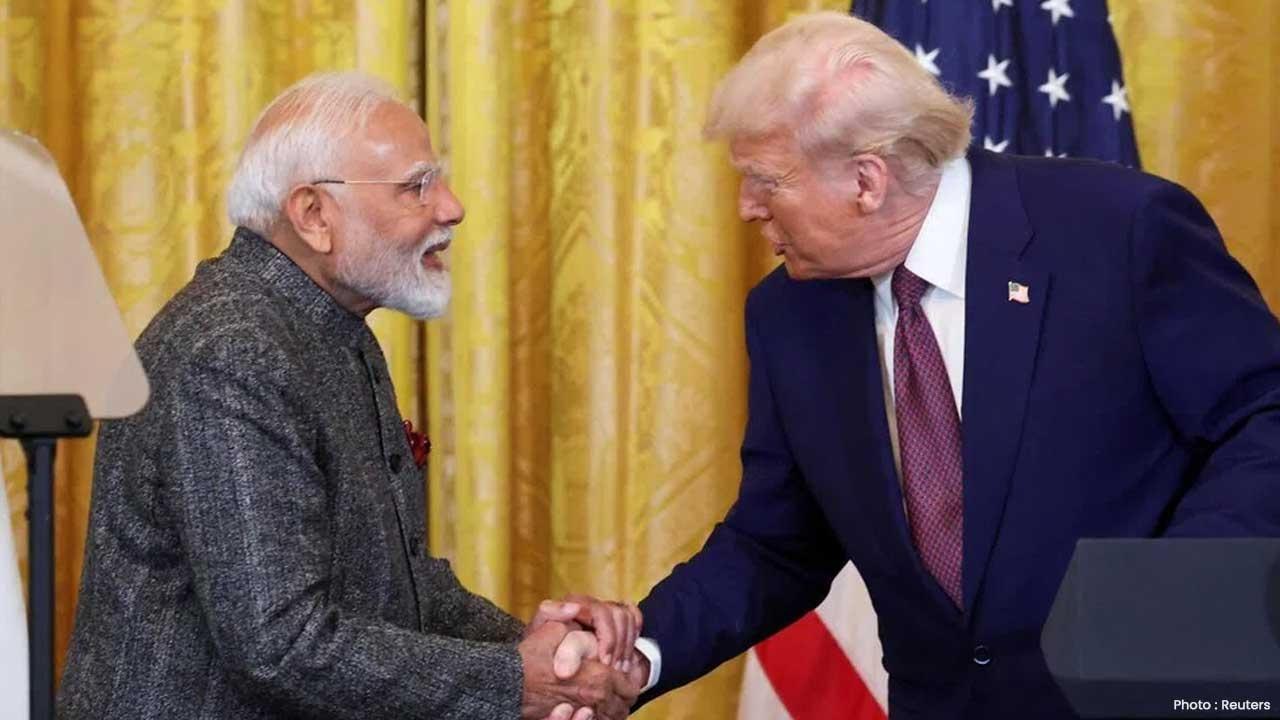
Prime Minister Narendra Modi of India is set to participate in the upcoming ASEAN summit in Kuala Lumpur via virtual means, foregoing a face-to-face meeting with US President Donald Trump amid ongoing trade disputes with the United States. The summit, which convenes leaders from ten Southeast Asian nations alongside influential partners like the US, China, and Japan, is slated for October 26-28. Modi’s virtual attendance coincides with the celebrations of Deepavali in India, underscoring the intertwining of cultural and diplomatic priorities.
This choice for remote attendance has sparked discussions regarding the state of India-US relations, particularly with regard to a potential trade agreement that aims to alleviate tariffs and enhance bilateral exchanges. Negotiations have been fraught due to India's continued procurement of Russian oil, leading to the US imposing a 25% tariff on Indian products in August. Coupled with pre-existing duties, this has pushed the overall trade tariff to 50%, impacting various sectors in the Indian economy. Analysts interpret Modi’s virtual participation as indicative of India’s strategy to navigate global diplomacy while being cautious amid US trade talks.
In a dialogue with Malaysian Prime Minister Anwar Ibrahim, Modi shared his intentions to strengthen the ASEAN-India Comprehensive Strategic Partnership. Anwar confirmed the Prime Minister's remote participation was tied to the ongoing Deepavali festivities. This interaction highlights India’s dedication to fostering regional alliances in Southeast Asia while managing intricate trade negotiations with the United States. Despite recent trade discussions with Trump, definitive strides toward reaching a consensus remain elusive, with significant hurdles in energy and agricultural sectors impending.
The ASEAN summit serves as a platform for India to reinforce regional relationships and bolster strategic partnerships, all while US trade dialogues linger in uncertainty. Modi's online presence points to India’s commitment to engaging in multilateral diplomacy, harmonizing domestic cultural celebrations with global economic involvement. Observers suggest that India's navigational strategy during this summit and ongoing trade negotiations illuminates its aspiration for regional leadership while cautiously approaching Washington. The management of tariffs and energy imports will likely dominate discussions in the forthcoming weeks, shaping the landscape of India-US trade dynamics.
As ASEAN leaders gear up for vital discussions on trade, investment, and strategic alliances, Modi’s virtual attendance ensures India remains at the forefront of regional conversations. Concurrently, the ambiguity surrounding the India-US trade agreement indicates that negotiations might extend well into the future, compelling both nations to reconcile economic interests with political strategies. For India, engaging in the ASEAN summit virtually allows Modi to sustain a diplomatic presence while prioritizing domestic commitments during one of the nation's hallmark cultural events.


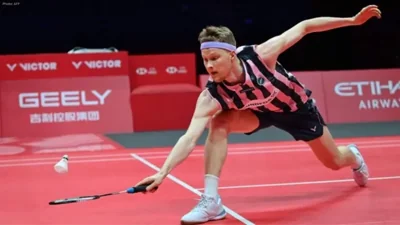

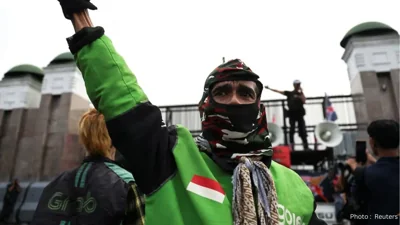

Anders Antonsen Withdraws from India Open Due to Pollution Issues
World No. 3 Anders Antonsen withdraws from the India Open, citing severe air pollution in Delhi, inc

Antoine Semenyo Shines Brightly with Two Goals in Manchester City Debut
Antoine Semenyo impresses by scoring in his first two matches for Manchester City, aiding their vict
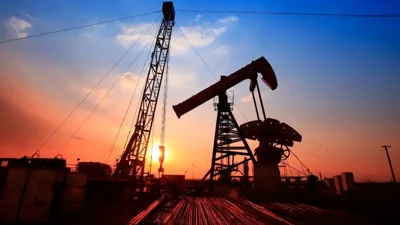
IOC and BPCL Uncover Significant Oil Finds in Abu Dhabi, Enhancing India's Energy Strategy
IOC and BPCL's UBPL has made new oil discoveries in Abu Dhabi, reinforcing India's energy security a
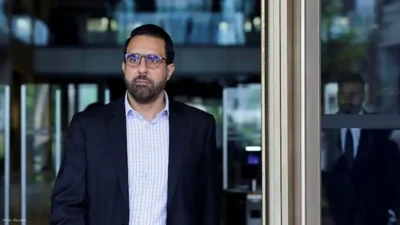
Debate in Singapore Parliament on Opposition Leader Pritam Singh's Potential Dismissal
Pritam Singh faces debate in Parliament regarding his removal after being convicted of false testimo
China Imposes Restrictions on Nvidia H200 AI Chip Imports Amid US Tensions
China restricts Nvidia's H200 chips to R&D only, escalating tech purchase controls amid US-China ten

Kim Yo Jong Dismisses South Korea’s Peace Aspirations, Seeks Immediate Apology
Kim Yo Jong rebuffs South Korea’s peace overtures, labeling them impractical, while demanding an apo