Post by : Monika
Photo: Reuters
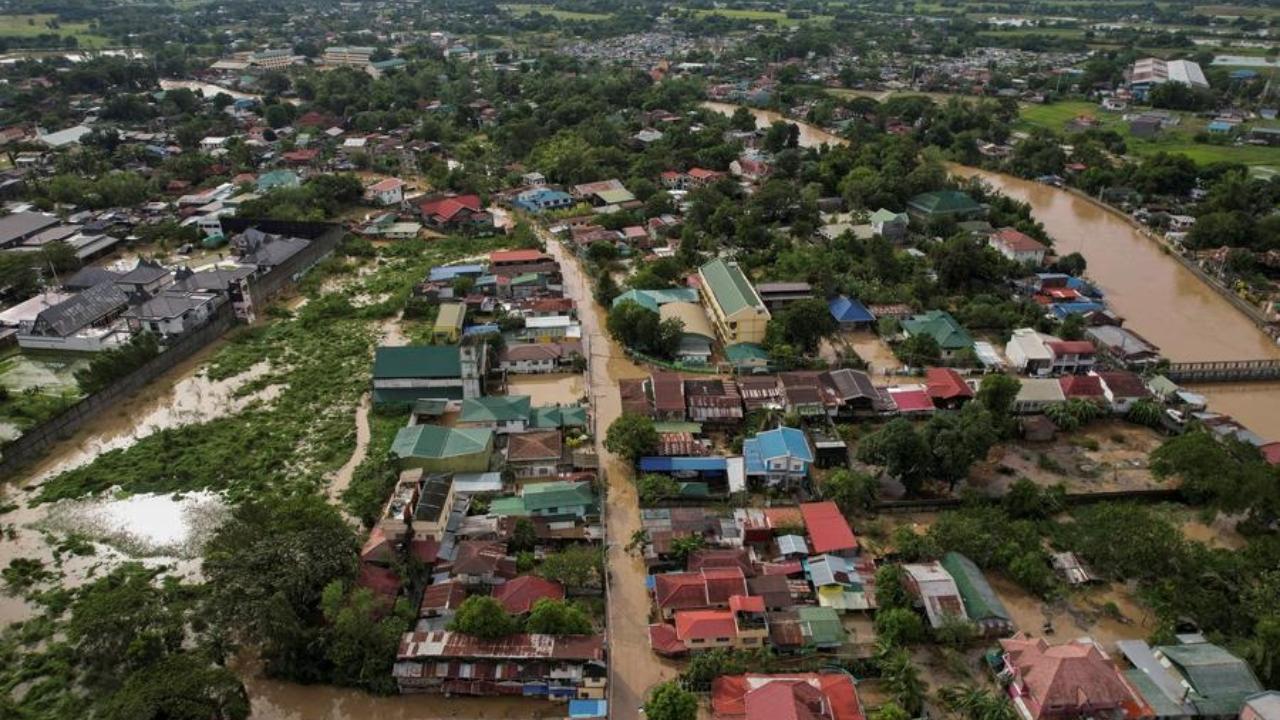
Vietnam is facing one of its most dangerous storms in recent years. Typhoon Kajiki, which is being called the strongest storm of the year, is moving quickly toward the country’s central coast. The storm is bringing very strong winds, heavy rain, and the risk of floods and landslides.
The Vietnamese government and local officials have already taken urgent action to protect lives and reduce damage. More than half a million people have been evacuated from areas in danger, airports and schools have been closed, and thousands of soldiers are standing by to help with rescue and recovery.
For Vietnam, a country that often faces storms and flooding because of its long coastline, Typhoon Kajiki is a serious test. Memories of Typhoon Yagi, which struck last year and killed over 300 people, remain fresh. Authorities say they do not want to see such a tragedy repeated.
The Storm’s Strength
By Monday morning, Typhoon Kajiki was less than 110 kilometers (about 68 miles) away from Vietnam’s central coastline. The storm is moving at a fast pace and carrying wind gusts up to 166 kilometers per hour (around 103 miles per hour).
Officials have called it “extremely dangerous.” They warn that if people ignore safety instructions, the storm could cause widespread destruction, including collapsed houses, flooding, and deadly landslides in mountainous areas.
Weather experts say the storm is not only strong but also faster than many other storms in recent years. This makes it more dangerous because it gives less time for people to prepare.
Emergency Actions Already in Place
Mass Evacuations
So far, more than 500,000 people have been moved from coastal and low-lying areas to safer shelters. Families living near rivers, mountains, or places at risk of landslides have also been evacuated.
The government has deployed over 123,000 soldiers and paramilitary officers. Their duties include:
Airports and School Closures
Two major airports, located in Thanh Hoa and Quang Binh provinces, have been shut down to prevent accidents. Dozens of domestic and international flights have been canceled.
Schools in several provinces have also been closed. By keeping children at home, officials hope to reduce risks during the storm. Teachers and parents are being asked to make sure children remain indoors until the storm has passed.
Boats Ordered to Stay in Harbor
Fishing boats and transport ships have been ordered to stay docked in harbors. The seas are expected to have very strong waves and currents, making sailing extremely dangerous. Coast Guard officers are patrolling harbors to ensure no boats leave until it is safe.
Why Kajiki Is So Dangerous
Vietnam is no stranger to natural disasters. Its long coastline and tropical climate mean the country is often hit by typhoons. Heavy rains, floods, and landslides cause damage almost every year.
But Typhoon Kajiki is different from many past storms. Weather experts explain that:
Officials are especially concerned about deadly landslides. In mountainous areas, where the ground is less stable, heavy rain can loosen soil and rocks, causing entire hillsides to collapse on villages.
Last year’s Typhoon Yagi showed how deadly these storms can be. Yagi killed more than 300 people and caused nearly $3.3 billion in economic losses. Many families are still recovering. This time, authorities are determined to avoid another large-scale disaster.
Impact in China Before Reaching Vietnam
Before approaching Vietnam, Typhoon Kajiki swept past Hainan Island in southern China. The storm brought heavy rain, strong winds, and flooding.
In the tourist city of Sanya, public transportation was shut down, businesses closed, and residents told to stay indoors. About 20,000 people were evacuated to safer places. Coastal communities were also affected as piers went underwater and hundreds of fishing boats were ordered to return to shore.
Rainfall in some parts of Hainan reached 25 to 35 centimeters (10–14 inches). Streets quickly flooded, trees were uprooted, and many homes were damaged.
What’s Next for Vietnam
Weather agencies expect Typhoon Kajiki to make landfall in Vietnam between Thanh Hoa and Nghe An provinces by Monday afternoon.
After hitting Vietnam, the storm is predicted to continue moving westward into Laos and northern Thailand. While it may lose some strength after crossing land, it will still bring heavy rainfall and the risk of flooding to those countries.
In Vietnam, authorities are warning people to:
Government’s Urgent Warning
Vietnamese Prime Minister and top officials have repeatedly reminded citizens to take the storm seriously. They emphasized that ignoring evacuation orders or safety advice could cost lives.
Local governments are instructed to keep emergency hotlines open and to prepare relief supplies in advance. Temporary shelters have been set up in schools, government buildings, and community centers.
Hospitals in the central provinces have also been told to prepare for a possible surge in patients once the storm passes. Doctors and nurses are on standby for emergency response.
Voices from the Ground
Many families in coastal provinces have already moved to safer places. Some describe leaving their homes with only essential belongings, unsure of what they will return to after the storm.
A fisherman from Nghe An province said:
“We have tied our boats in the harbor and moved inland. We can’t fight nature, so the best thing is to listen to the warnings and protect our families.”
Parents say they are keeping their children close, making sure they stay inside. Some schools have been turned into shelters where families can stay together until the danger passes.
Lessons from the Past
Vietnam has faced many storms in the past, but Typhoon Yagi last year remains fresh in people’s minds. That disaster left hundreds dead, thousands homeless, and billions in damages. Many experts believe that better preparation could have saved lives.
This time, the government wants to avoid mistakes. Early evacuation, strict closure of airports and schools, and the mobilization of soldiers are signs that Vietnam has learned from the past.
Still, challenges remain. Poorer rural areas often lack strong housing, and communication lines can be cut during storms. Relief efforts may face difficulties if roads and bridges are damaged.
Global Climate Concerns
Meteorologists point out that storms like Kajiki are becoming more common and stronger due to climate change. Warmer oceans feed more energy into typhoons, making them more intense and unpredictable.
For countries like Vietnam, which have large coastal populations and rely heavily on agriculture, the impact can be devastating. Strong storms not only destroy homes but also flood farmland, ruin crops, and hurt the economy.
The Human Side of the Story
At the heart of this crisis are ordinary people—families who must leave their homes, farmers worried about losing their crops, children missing school, and workers unsure when they can return to their jobs.
While government efforts focus on reducing damage, for many families, the storm means fear, loss, and uncertainty about the future.
Typhoon Kajiki is testing Vietnam’s readiness and resilience. With winds over 160 km/h, heavy rains, and the risk of deadly landslides, it is being called the strongest storm of the year.
The government has already evacuated over half a million people, closed airports and schools, and deployed more than 123,000 soldiers to protect lives.
Still, as the storm approaches land, the final impact remains uncertain. What is clear is that Vietnam is taking the threat seriously, hoping to avoid the tragedy seen in past storms.
Kajiki is a reminder of how powerful nature can be. Despite all preparations, storms like this bring fear and danger to millions. For now, the focus is on safety, survival, and rebuilding once the storm has passed.







Elevate Your Mornings: 7 Protein-Packed Breakfast Ideas
Discover 7 quick and nutritious high-protein breakfasts to keep you energized and focused throughout

Unlocking Wellness in the UAE: 7 Transformative Habits
Explore 7 effective wellness practices inspired by the UAE lifestyle for a healthier, happier life.

Starbucks Engages Boyu Capital for Major Chinese Expansion
Starbucks teams up with Boyu Capital, selling a majority stake to boost growth and adapt to the Chin

Three Individuals Charged in Massive Meth Trafficking Case in Malaysia
In Malaysia, a married couple and another suspect are charged with trafficking 510kg of meth, facing

Singapore Police Revisit Geylang Murder Scene with Suspect
In Geylang, police return a murder suspect to the scene of a crime involving the fatal stabbing of a