Post by : Saif Nasser
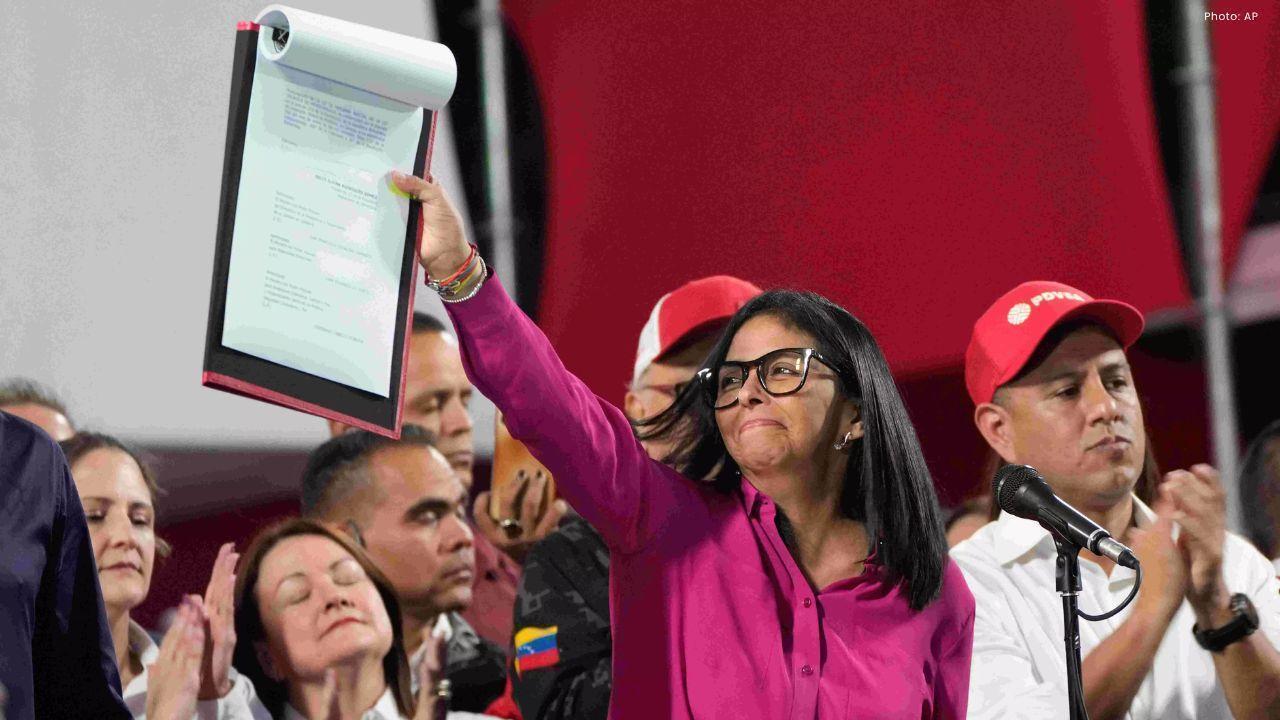
Venezuela has taken a dramatic turn in its economic policy after acting President Delcy Rodríguez signed a new law that opens the country’s oil industry to privatization. The move eases decades of tight state control and is aimed at attracting foreign investors to revive a struggling oil sector that once powered the nation’s economy.
The law was signed shortly after it was approved by the National Assembly and represents the most important reform of Venezuela’s oil industry in more than 20 years. Oil is the backbone of Venezuela’s economy, and the government sees this reform as a key step toward rebuilding production, creating jobs, and stabilizing public finances.
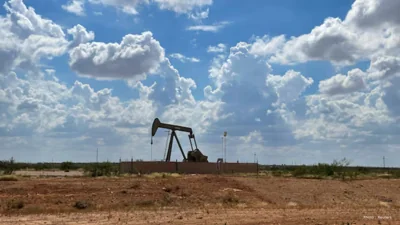
Under the new rules, private companies will be allowed to manage oil production and sales. This ends the long-standing monopoly held by the state-owned oil company, Petróleos de Venezuela, known as PDVSA. Private firms will be able to operate projects at their own cost and risk, as long as they prove they have the technical skills and financial strength required by the government.
Another major change is the introduction of independent arbitration. In the past, disputes had to be settled only in Venezuelan courts, which foreign investors often distrusted. The new law allows disputes to be handled by neutral international bodies, a step seen as vital to protect investors from sudden policy changes or future takeovers.
The reform also adjusts oil royalties and taxes. A maximum royalty rate has been set, while giving the government flexibility to change terms depending on the size and needs of each project. Officials say this will make Venezuela more competitive in the global energy market.
The signing of the law comes at a sensitive time. The United States has begun easing oil-related sanctions on Venezuela, allowing U.S. energy companies greater access to operate in the country. Rodríguez has also spoken with U.S. leaders, signaling closer coordination on oil exports and the use of revenues.
Supporters of the reform say it could transform Venezuela’s economy after years of decline caused by falling oil prices, corruption, and poor management. Oil production dropped sharply over the past decade, pushing the country into a deep economic crisis that forced millions of Venezuelans to leave in search of a better life.
Opposition voices have welcomed the opening of the sector but warned that transparency and accountability are crucial. They argue that without strong oversight, corruption could continue to drain public resources and weaken trust in the reforms.
The new law marks a clear break from the policies introduced under former President Hugo Chávez, who made state control of oil a central part of his socialist agenda. Those policies brought huge revenues during high oil prices but later contributed to mismanagement and falling output.
By opening the oil industry to private and foreign partners, Venezuela’s leadership is betting that investment and expertise can help restore production and bring economic relief. Whether the reforms will succeed now depends on political stability, investor confidence, and the government’s ability to follow through on its promises.





Mattel Revives Masters of the Universe Action Figures Ahead of Film Launch
Mattel is reintroducing Masters of the Universe figures in line with its upcoming film, tapping into
China Executes 11 Members of Criminal Clan Linked to Myanmar Scam
China has executed 11 criminals associated with the Ming family, known for major scams and human tra

US Issues Alarm to Iran as Military Forces Deploy in Gulf Region
With a significant military presence in the Gulf, Trump urges Iran to negotiate a nuclear deal or fa

Copper Prices Reach Unprecedented Highs Amid Geopolitical Turmoil
Copper prices soar to all-time highs as geopolitical tensions and a weakening dollar boost investor

New Zealand Secures First Win Against India, Triumph by 50 Runs
New Zealand won the 4th T20I against India by 50 runs in Vizag. Despite Dube's impressive 65, India