Post by : Mina Rahman
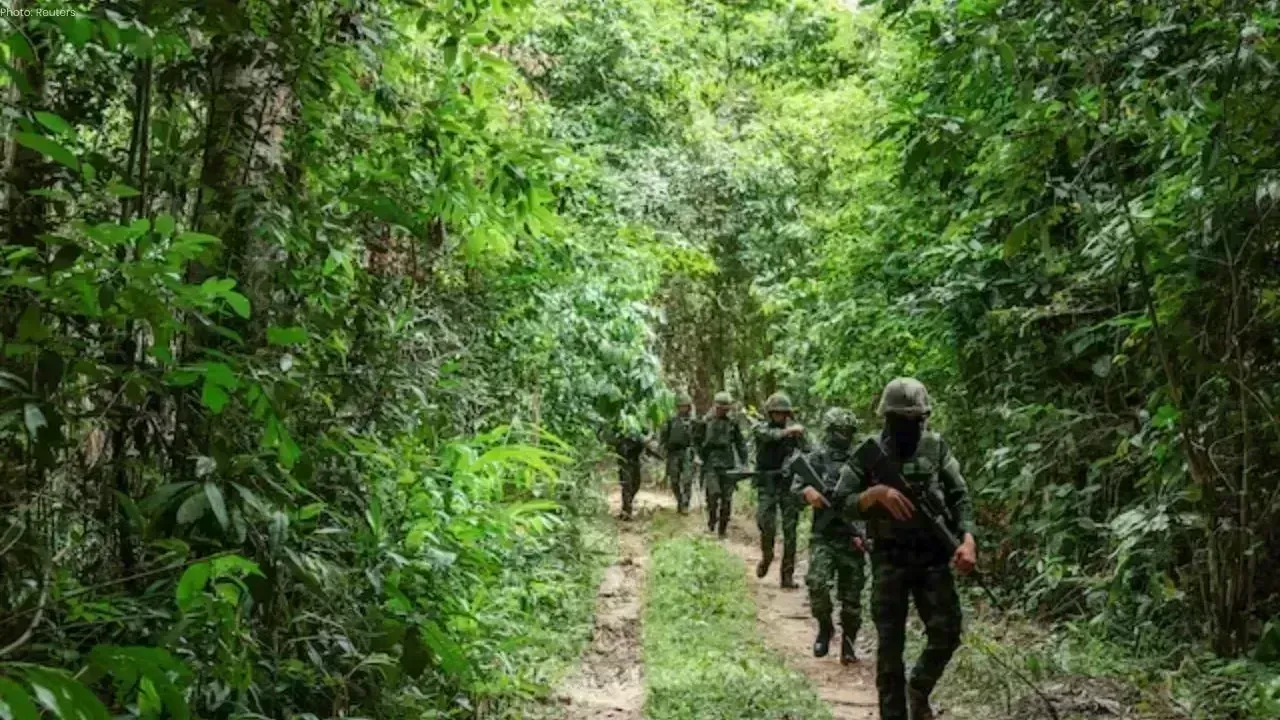
Thailand’s military continues to occupy parts of Cambodia, utilizing barbed wire and shipping containers to block access. This situation jeopardizes the peace agreement established following previous conflicts last year. Cambodian Foreign Minister Prak Sokhonn highlighted that approximately 4,000 families remain unable to return home due to the encroachment of Thai troops, despite a mutual ceasefire reached in December.
In a statement from Phnom Penh, Prak Sokhonn identified at least four locations where Thai soldiers have reportedly crossed into Cambodian territory. He noted that while the current atmosphere may seem tranquil, underlying risks remain, and expressed hopes for Thailand’s compliance with the peace agreement.
The Thai military and government dismissed Cambodia’s allegations, asserting that their forces are adhering to regulations and maintaining their positions post-ceasefire, stating that this should not be interpreted as territorial occupation.
The December conflict was marked by aerial strikes, rocket bombardments, and substantial artillery use, following earlier clashes in July that were mediated by U.S. President Donald Trump. Over 101 casualties were reported in December, displacing more than half a million individuals from both nations. This ongoing struggle is part of a protracted border dispute between Thailand and Cambodia.
Cambodia has requested a meeting of the Joint Boundary Commission to address these border issues, but Thailand has yet to confirm its participation. Prak Sokhonn insisted that resolving the situation regarding occupied villages is crucial for enabling people to return to their homes.
Thailand’s foreign ministry announced plans for discussions to commence following the February 8 elections, emphasizing their commitment to resolving issues through dialogue and expressing a desire to reactivate the Joint Boundary Commission promptly.
The peace accord from December 27 stipulated that neither country would increase troop numbers at the border and allowed for the repatriation of displaced citizens. Prak Sokhonn acknowledged the substantial damage the clashes inflicted on residents’ lives, including extensive destruction of schools, bridges, temples, roads, and other infrastructure.
While Trump played a pivotal role in halting the July confrontations and endorsing a ceasefire in October, he was not able to immediately mitigate the December violence. Alongside Trump and Malaysian Prime Minister Anwar Ibrahim, China also contributed to peace initiatives, dispatching special envoys to both countries in late December.



Mattel Revives Masters of the Universe Action Figures Ahead of Film Launch
Mattel is reintroducing Masters of the Universe figures in line with its upcoming film, tapping into

China Executes 11 Members of Criminal Clan Linked to Myanmar Scam
China has executed 11 criminals associated with the Ming family, known for major scams and human tra
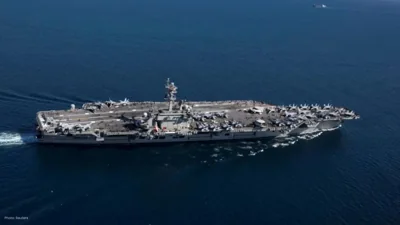
US Issues Alarm to Iran as Military Forces Deploy in Gulf Region
With a significant military presence in the Gulf, Trump urges Iran to negotiate a nuclear deal or fa

Copper Prices Reach Unprecedented Highs Amid Geopolitical Turmoil
Copper prices soar to all-time highs as geopolitical tensions and a weakening dollar boost investor

New Zealand Secures First Win Against India, Triumph by 50 Runs
New Zealand won the 4th T20I against India by 50 runs in Vizag. Despite Dube's impressive 65, India