Post by : Saif Nasser
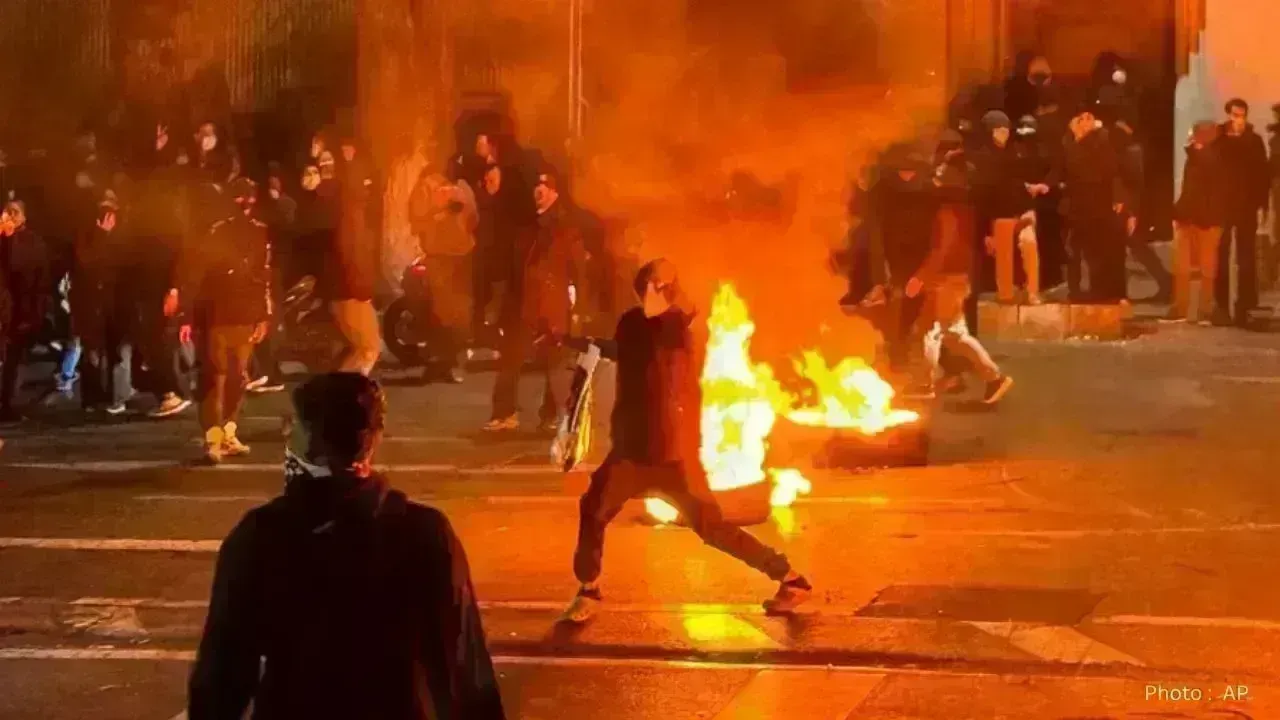
Iran is facing one of the most serious internal crises in its modern history as nationwide protests continue and the government signals harsh punishment for those detained. The head of Iran’s judiciary has warned that fast trials and possible executions will be carried out, even as the reported death toll from the crackdown has crossed 2,500.
The protests began more than two weeks ago, first driven by public anger over Iran’s worsening economy. Rising prices, unemployment, and daily hardships pushed people into the streets. Over time, the demonstrations grew larger and more political, with protesters openly criticizing the country’s leadership and Supreme Leader Ayatollah Ali Khamenei.
According to the U.S.-based Human Rights Activists News Agency, at least 2,571 people have been killed so far. Most of those killed were protesters, though some members of the security forces also lost their lives. Activists say this is the deadliest crackdown Iran has seen in decades, reminding many of the chaos during the 1979 Islamic Revolution.
Iran’s judiciary chief, Gholamhossein Mohseni-Ejei, said in a video shared by state media that punishments must be carried out quickly. He stressed that delaying action would reduce its impact. His words have raised fears among families and human rights groups that executions could happen soon for those arrested during the protests.
These statements came despite warnings from U.S. President Donald Trump, who said Washington would respond strongly if Iran carried out mass executions of protesters. Trump had already criticized Tehran for killing peaceful demonstrators, calling the situation unacceptable. Tensions remain high between the two countries, especially after recent military clashes involving Iran.
Inside Iran, fear remains widespread. While some anti-riot police units have pulled back, plainclothes security officers are still seen in many neighborhoods. Schools remain closed in some areas, and parents are afraid to send their children outside. Many residents say they still hear gunfire at night and feel unsafe even during the day.
Several witnesses described scenes of chaos as security forces used live ammunition against unarmed crowds. Protesters, they say, were chanting and marching, not carrying weapons. For many Iranians, this has deepened anger and sorrow, even as the crackdown continues.
The government has also restricted communication. Internet access was shut down earlier this month, cutting the country off from the outside world. Recently, satellite internet services have helped some people reconnect, but authorities are reportedly searching homes for illegal equipment. Measuring the true scale of the violence has become harder as information is blocked.
As funerals are held for both civilians and security personnel, Iran stands at a dangerous crossroads. Calls for justice and reform continue, while the state signals more force and faster punishment. The coming days will be critical in shaping the country’s future and how the world responds to the unfolding crisis.



Mattel Revives Masters of the Universe Action Figures Ahead of Film Launch
Mattel is reintroducing Masters of the Universe figures in line with its upcoming film, tapping into

China Executes 11 Members of Criminal Clan Linked to Myanmar Scam
China has executed 11 criminals associated with the Ming family, known for major scams and human tra
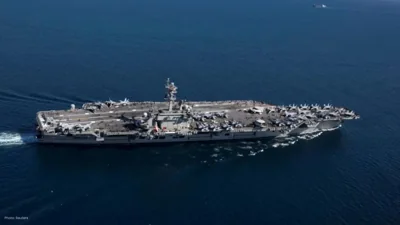
US Issues Alarm to Iran as Military Forces Deploy in Gulf Region
With a significant military presence in the Gulf, Trump urges Iran to negotiate a nuclear deal or fa

Copper Prices Reach Unprecedented Highs Amid Geopolitical Turmoil
Copper prices soar to all-time highs as geopolitical tensions and a weakening dollar boost investor
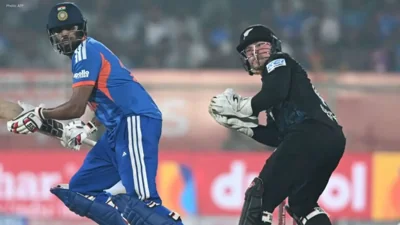
New Zealand Secures First Win Against India, Triumph by 50 Runs
New Zealand won the 4th T20I against India by 50 runs in Vizag. Despite Dube's impressive 65, India