Post by : Priya
Photo:Reuters
Over the last decade, a quiet revolution has been unfolding in the world of fashion—one that does not begin in the glamour of Paris or Milan but on the vibrant streets of Lagos, Nairobi, Johannesburg, and Accra. A new generation of African designers is reshaping fashion through streetwear that is bold, meaningful, and unmistakably African.
Streetwear, traditionally linked to youth culture, skateboarding, and hip-hop, has always reflected rebellion, identity, and expression. Now, African designers are infusing it with their heritage, history, and storytelling—giving rise to a movement that is as stylish as it is powerful.
This is not just fashion. This is a cultural shift. From TikTok influencers to global fashion runways, African streetwear is becoming a global force. It reflects the dreams of young Africans and redefines how the world sees the continent.
The Roots of the Movement
Streetwear may be a global phenomenon today, but African versions of urban fashion have always existed in one form or another. From the flowing agbadas in Nigeria to the colorful kangas in East Africa, African fashion has always been rich, expressive, and deeply tied to identity.
However, African streetwear in its modern sense—combining Western-style clothing like hoodies, sneakers, and graphic tees with traditional prints, local languages, political slogans, and cultural symbols—emerged as a response to a simple desire: the need for African youth to represent themselves.
In cities like Johannesburg, Lusaka, and Addis Ababa, local fashion became a reflection of street energy. It was loud, proud, and unapologetically African. As artists, musicians, dancers, and skaters started adopting local brands, the designs evolved to include elements of graffiti, protest art, tribal patterns, and ancestral symbols. The aim was clear—show the world that Africa is not a copy of the West. It’s original.
Who Are the Pioneers?
The rise of African streetwear didn’t happen by accident. It came through hard work, vision, and passion. Let’s meet some of the designers and brands who laid the foundation and continue to lead the way:
1. Thebe Magugu (South Africa)
Winner of the LVMH Prize in 2019, Thebe Magugu blends storytelling, social commentary, and history into modern fashion. Though his designs go beyond streetwear, his influence has inspired many young South Africans to create expressive, message-driven clothing.
2. Tokyo James (Nigeria/UK)
Born in Lagos and raised in London, Tokyo James brings a cosmopolitan edge to his designs. His collections mix sharp tailoring with the casual feel of streetwear, often with political undertones.
3. Daily Paper (Founded in Amsterdam by Somali, Ghanaian, and Moroccan creatives)
Perhaps one of the most globally recognized African diaspora streetwear brands, Daily Paper combines African heritage with a strong urban identity. From tracksuits inspired by Maasai warriors to Afro-futuristic photo shoots, their brand tells a powerful story.
4. Viviers Studio (South Africa)
Though more experimental than traditional streetwear, Viviers Studio challenges gender norms and often features recycled materials, aligning closely with the sustainable streetwear movement.
5. WAFFLESNCREAM (Nigeria)
Nigeria’s first skateboarding and streetwear collective, WAFFLESNCREAM combines West African culture with skate fashion. Their Lagos-based store is a hub for youth, art, and rebellion.
A Movement Powered by Youth and the Internet
In a digital world, ideas travel fast. Instagram, YouTube, and TikTok have become global catwalks for African streetwear. What once was worn in a small corner of a local market can now be seen by millions around the world.
Social media allows young Africans to be the models, photographers, stylists, and influencers of their own movement. They are not waiting for permission from global fashion brands. They are creating their own spaces.
This democratization of fashion has been essential to the streetwear boom. On Instagram, hashtags like #AfricanStreetStyle and #AfricaIsNow show just how global the movement has become. International celebrities like Burna Boy, Wizkid, Tems, and even athletes like Paul Pogba have been spotted wearing African streetwear brands.
More Than Fashion—It’s a Statement
African streetwear is not just about looking good. It’s about saying something.
Many brands are rooted in activism. Some fight against police violence. Others address topics like mental health, gender equality, colonialism, climate change, or the reclaiming of African identity. For example:
IAMISIGO (Ghana/Nigeria) creates fashion that critiques mass production and promotes African craftsmanship.
U.Mi-1 (Nigeria) is known for using fashion as a language of cross-cultural communication.
T-shirts with slogans like “Afro Is Not a Trend”, “No Borders in Africa”, or “Proudly Made in Soweto” aren’t just stylish—they’re political. They reflect a new generation that is aware, active, and unafraid.
The Power of Fabrics and Symbols
Unlike Western brands that rely heavily on logos, African streetwear often tells stories through fabrics and symbols. Each pattern has meaning.
Kente (Ghana): Traditionally worn by royalty, each color in Kente has a message. Yellow often stands for wealth, green for growth, red for struggle.
Ankara (West Africa): While it became popular through Dutch imports, Ankara prints have been fully embraced and localized, turning into a staple of African fashion.
Mudcloth (Mali): Made using fermented mud, this fabric has deep spiritual significance and is now used in everything from bomber jackets to backpacks.
By wearing these fabrics in street styles, youth are reclaiming their heritage in everyday life.
Business, Jobs, and Local Economies
Streetwear is not just creating style—it’s creating income.
Across Africa, thousands of young people are finding work in design, tailoring, marketing, and photography. Small businesses are booming. Tailors are getting orders from overseas. Pop-up stores, flea markets, and fashion hubs are becoming centers of youth culture.
Governments in countries like Ghana and Nigeria are starting to support fashion incubators, knowing that local design can become a major economic engine.
But perhaps most importantly, this growth is building self-belief. For too long, African economies were told to import from the West. Today, they are learning to produce, promote, and wear their own.
Challenges in the Industry
Despite the success, African streetwear brands face real struggles:
Cost of Production: Many designers must import materials at high prices or use limited local resources.
Lack of Infrastructure: Power cuts, slow logistics, and poor internet in some areas slow down business.
Intellectual Property Issues: Some designers have seen their designs stolen by foreign companies.
Scaling Up: Turning a small brand into a global brand requires capital, experience, and international connections.
Yet, designers are learning fast. Many are turning to eco-friendly methods, local sourcing, and global partnerships to overcome these issues.
The Role of the Diaspora
African diaspora communities, especially in Europe and the United States, are playing a huge role in spreading African streetwear.
They are not only wearing the clothes—they’re funding the brands, showcasing them on social media, and creating retail spaces for them abroad.
African music, especially Afrobeats, has also helped. As stars like Rema and Ayra Starr gain global fans, their fashion choices shine a spotlight on African brands.







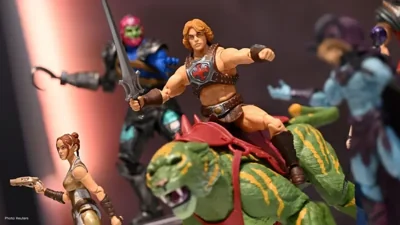
Mattel Revives Masters of the Universe Action Figures Ahead of Film Launch
Mattel is reintroducing Masters of the Universe figures in line with its upcoming film, tapping into

China Executes 11 Members of Criminal Clan Linked to Myanmar Scam
China has executed 11 criminals associated with the Ming family, known for major scams and human tra

US Issues Alarm to Iran as Military Forces Deploy in Gulf Region
With a significant military presence in the Gulf, Trump urges Iran to negotiate a nuclear deal or fa

Copper Prices Reach Unprecedented Highs Amid Geopolitical Turmoil
Copper prices soar to all-time highs as geopolitical tensions and a weakening dollar boost investor

New Zealand Secures First Win Against India, Triumph by 50 Runs
New Zealand won the 4th T20I against India by 50 runs in Vizag. Despite Dube's impressive 65, India