Post by : Anees Nasser
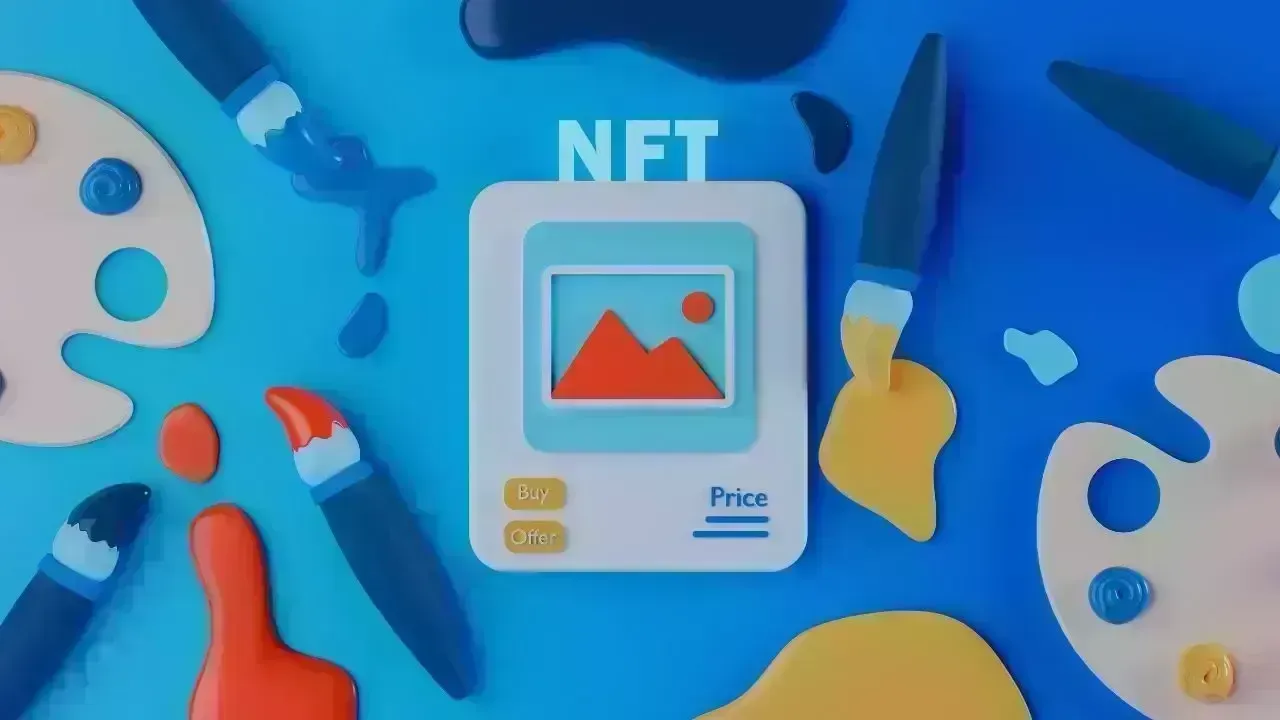
NFTs burst into mainstream consciousness with astonishing speed. Within a short period, they turned unknown artists into global stars, transformed digital files into valuable assets, and reshaped conversations around intellectual property. Their rise was fueled by several key factors:
artists seeking independence from traditional systems
collectors searching for new forms of ownership
investors exploring speculative digital assets
communities rallying around decentralised creativity
NFTs did not simply introduce a new technology; they introduced an entirely new economic model for digital content.
A Non-Fungible Token is a unique digital identifier stored on a blockchain. Unlike cryptocurrencies such as Bitcoin or Ethereum, NFTs cannot be interchangeably exchanged because each token carries distinct metadata.
This uniqueness allows NFTs to represent ownership of:
digital art
music
videos
virtual fashion
metaverse assets
collectibles
domain names
digital real estate
It essentially solves the age-old digital problem: “If it can be copied infinitely, how do you prove ownership?”
Blockchain technology acts as a digital ledger. Every time an NFT is created or transferred, the transaction is recorded publicly. This gives buyers something digital files always lacked:
authenticity
traceable ownership
verifiable scarcity
For digital artists, these features are revolutionary.
Digital art existed long before NFTs, but monetising it was difficult. Platforms often controlled visibility, distribution, and earnings. NFTs changed the landscape by giving artists direct ownership and revenue opportunities.
Artists now enjoy:
independent pricing power
direct access to global collectors
higher revenue retention
royalties on secondary sales
NFTs have turned digital artists into entrepreneurs.
Collectors traditionally sought physical objects. Today, digital collections are:
displayed in virtual galleries
showcased via metaverse exhibitions
stored in digital wallets
traded across global marketplaces
This shift normalises digital ownership on a scale never witnessed before.
When creators release new works — known as “drops” — collectors rush to buy limited-edition tokens. Scarcity and demand create immediate market value.
Unlike traditional markets where artists rarely benefit from resales, NFT platforms enable creators to receive:
5% to 10% royalties every time their work is resold
This model ensures long-term revenue even after the initial sale.
NFT valuations are heavily influenced by:
fan communities
brand collaborations
celebrity endorsements
online reputation
Digital communities play a major role in determining which collections thrive.
With the NFT boom, geographic and institutional barriers collapsed. Artists from remote regions gained global visibility, independent creators competed with established names, and niche styles found mainstream relevance.
Memes, GIFs, generative art, and AI-generated visuals have become serious collectible assets. These formats rarely received recognition before NFTs emerged.
Artists now integrate:
interactive elements
augmented reality
motion graphics
generative algorithms
AI collaborations
NFTs allow multidimensional digital expressions that cannot exist in traditional formats.
Digital art thrives in virtual environments. Metaverse platforms enable people to:
buy virtual land
host exhibitions
display NFT galleries
attend digital concerts
curate themed experiences
Art is no longer confined to physical walls.
Digital fashion is gaining traction as avatars become an extension of identity. Luxury brands and indie designers alike release wearable NFTs for virtual environments.
NFT technology blends with VR and AR to create immersive experiences where art reacts to viewer movement, music, or world elements.
NFT markets are notoriously volatile. Prices often shift dramatically based on:
market sentiment
media attention
social trends
investor speculation
This makes NFTs risky financial assets.
Many collections skyrocket in value only to collapse once hype fades. Understanding artistic merit, utility, and creator credibility becomes crucial for serious collectors.
Fake NFTs, plagiarized art, and impersonation incidents remain challenges. Buyers must verify authenticity through trusted channels.
Early blockchains used energy-intensive systems. This raised concerns about:
carbon emissions
sustainability
responsible digital ownership
By 2025, many blockchains adopted efficient consensus mechanisms requiring minimal energy. The shift has reduced environmental criticisms significantly.
Museums and galleries now:
host digital exhibitions
acquire NFTs for permanent collections
collaborate with digital creators
This validates digital art as a serious category.
Prestigious brands use NFTs to:
verify authenticity
create loyalty programs
release exclusive collectibles
offer digital twins of physical items
Game developers integrate NFTs as:
in-game assets
character skins
virtual real estate
tradeable collectibles
Ownership becomes transferable across platforms, pushing gaming into a new commercial era.
NFTs provide a reliable system for verifying digital ownership. Whether for art, collectibles, music, or virtual property, this infrastructure will shape future digital economies.
NFTs reduce dependence on traditional gatekeepers and empower creators financially.
Scams, volatility, and regulatory uncertainties still complicate adoption. Widespread stability will require clearer frameworks.
Future NFTs will focus on:
access passes
exclusive memberships
event tickets
premium services
This shifts NFTs from pure collectibles to functional assets.
Artists increasingly collaborate with AI tools, creating dynamic, evolving artworks recorded as NFTs.
Creators bridge physical artworks with digital twins, giving collectors layered ownership.
Governments may introduce guidelines addressing intellectual property, taxation, and consumer protection.
NFTs have changed how the world creates, owns, and distributes digital content. While volatility and hype cycles may rise and fall, the underlying idea — secure digital ownership — is here to stay.
Digital art has transcended its limitations. Artists now have global reach. Collectors have verifiable assets. Communities shape value. And as technology matures, NFTs will integrate deeper into mainstream culture, virtual worlds, and creative industries.
Whether as art, access tools, or digital identity markers, NFTs represent a new chapter in creative ownership — one that will continue evolving long after the hype fades.
This article is for informational purposes only. NFT trends change rapidly and may vary across regions, platforms, and market conditions. Readers should evaluate personal circumstances before making financial decisions.






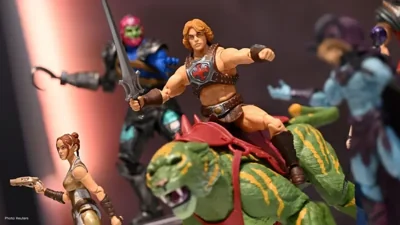
Mattel Revives Masters of the Universe Action Figures Ahead of Film Launch
Mattel is reintroducing Masters of the Universe figures in line with its upcoming film, tapping into

China Executes 11 Members of Criminal Clan Linked to Myanmar Scam
China has executed 11 criminals associated with the Ming family, known for major scams and human tra

US Issues Alarm to Iran as Military Forces Deploy in Gulf Region
With a significant military presence in the Gulf, Trump urges Iran to negotiate a nuclear deal or fa

Copper Prices Reach Unprecedented Highs Amid Geopolitical Turmoil
Copper prices soar to all-time highs as geopolitical tensions and a weakening dollar boost investor

New Zealand Secures First Win Against India, Triumph by 50 Runs
New Zealand won the 4th T20I against India by 50 runs in Vizag. Despite Dube's impressive 65, India