Post by : Naveen Mittal
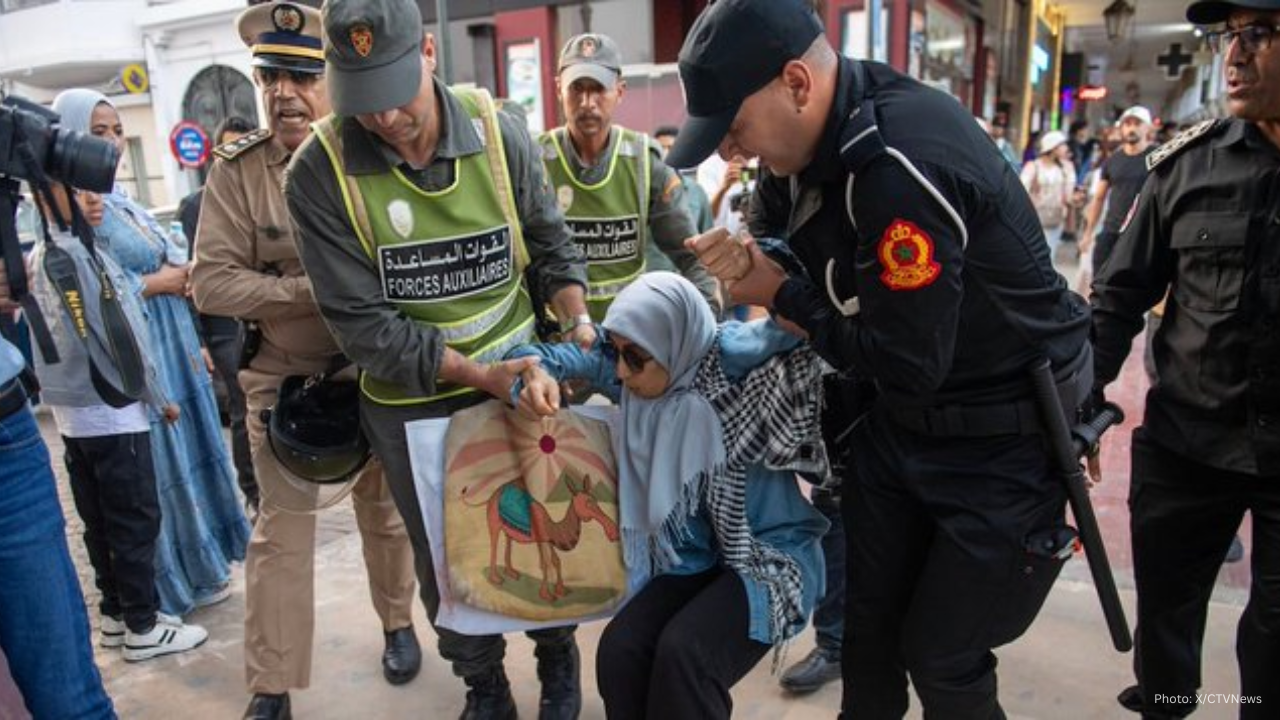
Morocco witnessed some of its most significant anti-government protests in years. Demonstrations, primarily led by young people, took place in at least 11 cities, including Casablanca, Rabat, and Marrakech. Protesters expressed frustration over the government's allocation of funds towards international sporting events, such as the 2030 FIFA World Cup and the Africa Cup of Nations, while neglecting essential sectors like healthcare and education.
The catalyst for the protests was a recent maternal health crisis in Agadir, where eight women died during childbirth in a public hospital. This incident highlighted the deteriorating state of Morocco's healthcare system, which, according to the World Health Organization, has a significantly low number of medical professionals per capita. Protesters chanted slogans like “Stadiums are here, but where are the hospitals?” to emphasize the disparity between the government's priorities and the public's needs.
Unlike previous protests organized by unions or political parties, these demonstrations were largely leaderless and organized through social media platforms like TikTok and Discord. Groups such as "Gen Z 212" and "Morocco Youth Voices" coordinated the rallies, urging peaceful protests and responsible debate. Despite their calls for non-violence, many supporters voiced more militant demands for systemic reforms.
The Moroccan Association for Human Rights reported over 120 arrests during the protests, with demonstrators detained in cities like Rabat and Casablanca. Security forces, including plainclothes officers, were seen dispersing crowds and arresting protesters. In response to the unrest, Prime Minister Aziz Akhannouch defended the government's infrastructure spending and pledged ongoing healthcare reforms, though widespread discontent persists.
The protests have underscored a growing demand among Morocco's youth for comprehensive reforms in healthcare, education, and employment. With a significant portion of the population born between 1995 and 2010, the "Gen Z protests" reflect a generation increasingly vocal about their dissatisfaction with the status quo. As the movement gains momentum, future demonstrations are anticipated, signaling a continued push for change in the country's governance and priorities.
Disclaimer: The information provided in this article is based on reports from the Associated Press and other reputable sources. Efforts have been made to ensure accuracy; however, due to the evolving nature of the situation, details may change. Readers are encouraged to consult multiple sources for the most current information.







Anticipated Dates for UAE Eid Al Adha 2026 Unveiled by Astronomical Experts
Experts predict Eid Al Adha 2026 in the UAE to start on May 27, prompting early holiday planning amo

DAE Achieves Remarkable Growth in Q1 2026 With Record Revenue
Dubai Aerospace Enterprise announces impressive financial results for Q1 2026, reflecting a surge in

Price Increase for Sony PS5 in Southeast Asia Effective May 1
Sony announces a price increase for the PS5 across Southeast Asia starting May 1, 2026, impacting ga

Potential ‘Super El Niño’ in 2026: Understanding the Climate Risks
Could a Super El Niño emerge in 2026? Discover its implications and potential global climate impacts

Global Energy Crisis Intensifies: Markets React to Oil Supply Challenges
Markets are on edge as oil disruptions escalate, influencing prices and economic stability. Explore

Must-See Tourist Spots in London You Can't Overlook
Explore London's essential attractions, from royal landmarks to vibrant markets, ensuring an unforge




