Post by : Saif Nasser
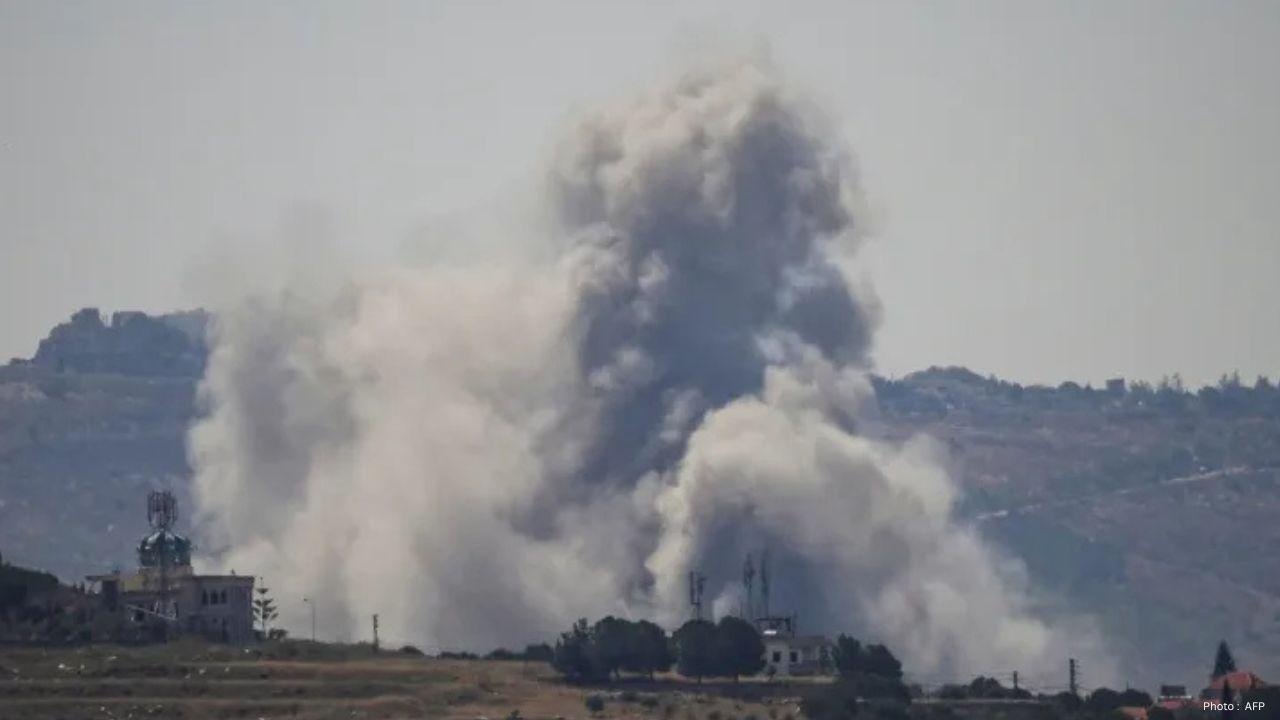
Israel kills 14 in southern Lebanon after trading fire with Iran, marking another dangerous chapter in the growing instability affecting the Middle East. The latest violence has drawn international attention as military actions spread beyond direct confrontations and increasingly involve neighboring territories. The deaths reported in southern Lebanon have intensified concerns about the possibility of a broader regional conflict at a time when tensions are already running high across several fronts.
According to reports, the strikes occurred after exchanges linked to the ongoing confrontation between Israel and Iran. Military operations and retaliatory actions have created a volatile environment that extends far beyond the borders of the two countries. As a result, civilians living in nearby areas continue to face growing uncertainty, displacement, and security risks.
Southern Lebanon has long been one of the most sensitive areas in the region. Located along a tense border, the area has frequently experienced military activity during periods of heightened conflict. Communities in the region have often found themselves caught between larger geopolitical disputes that they have little control over. The latest casualties have once again highlighted the human cost of regional hostilities.
The current situation reflects a broader pattern of escalation that has developed over recent months. Military exchanges, air strikes, missile launches, and security operations have increased fears that a local confrontation could evolve into a wider crisis. Many international observers believe that every new incident raises the risk of further retaliation, creating a cycle that becomes increasingly difficult to contain.
For civilians, the consequences are immediate and severe. Families living near conflict zones often face damaged infrastructure, disrupted public services, and concerns about personal safety. Schools, businesses, healthcare facilities, and transportation networks can all be affected when military operations intensify. Even when violence is limited to specific locations, the psychological impact on local populations can be significant.
The developments in Lebanon also underline the interconnected nature of security challenges in the Middle East. Events in one country can quickly influence conditions in another, especially when multiple state and non-state actors are involved. This interconnected reality makes conflict management more difficult and increases the importance of diplomatic efforts aimed at preventing further escalation.
Economic consequences are another major concern. Regional instability can affect trade routes, investment decisions, energy markets, and tourism activity. Businesses often delay expansion plans during periods of uncertainty, while governments may face additional financial pressure related to security and emergency response measures. Prolonged instability can therefore have effects that extend well beyond the battlefield.
The international community continues to call for restraint from all sides. Diplomatic efforts are generally focused on reducing the risk of further military action while encouraging dialogue and de-escalation. However, achieving meaningful progress can be challenging when mistrust remains high and security concerns continue to dominate decision-making.
Another important issue is the humanitarian impact of recurring violence. Communities living in conflict-affected areas often require assistance ranging from medical support to temporary shelter and reconstruction aid. Humanitarian organizations frequently face difficult conditions while attempting to provide help to affected populations. Protecting civilians remains one of the most important priorities during periods of armed confrontation.
The latest events also demonstrate how quickly regional tensions can spread across borders. What begins as a confrontation between two parties can have consequences for neighboring countries and local communities that are not directly involved in the original dispute. This reality highlights the need for careful diplomacy and responsible leadership during moments of crisis.
The deaths reported in southern Lebanon serve as a reminder that military confrontations carry serious human consequences. Behind every casualty figure are families and communities dealing with loss, uncertainty, and disruption. While political and security considerations often dominate public discussions, the humanitarian dimension should not be overlooked.
Israel's military action in southern Lebanon following exchanges involving Iran has added another layer of complexity to an already fragile regional environment. The incident reflects the broader challenges facing the Middle East, where security concerns, political rivalries, and strategic interests frequently intersect. Moving forward, preventing further escalation will be critical to reducing the risk of additional loss of life and preserving regional stability. A lasting solution is unlikely to come through military action alone. Sustainable peace will ultimately depend on dialogue, restraint, and a commitment to addressing the deeper issues that continue to fuel conflict across the region.








Cooling Yogurt and Cucumber Soup Gains Popularity as a Nutritious Option
Experience the refreshing benefits of yogurt and cucumber soup, a light and nutritious meal perfect

Yogurt and Cucumber Soup: A Nutritious Choice for Health-Conscious Diners
Stay refreshed with this nutritious yogurt and cucumber soup, perfect for healthy eating and hydrati

Nutrient-Rich Yogurt and Cucumber Soup Gains Popularity as a Healthy Summer Choice
This yogurt and cucumber soup is a refreshing summer dish, providing hydration, nutrition, and diges

Nutritious Yogurt & Cucumber Soup Gains Popularity as a Healthy Choice
Discover the benefits of this soothing yogurt and cucumber soup, a nutritious meal perfect for hot d

Achieve Radiant Skin with This Simple Rice Flour Treatment
Transform your skincare routine! Discover how a rice flour mix can restore your skin's glow without

Meta Unveils Subscription Plans for Instagram, Facebook, and WhatsApp
Meta introduces new subscription plans for users of Instagram, Facebook, and WhatsApp, featuring enh