Post by : Saif Nasser
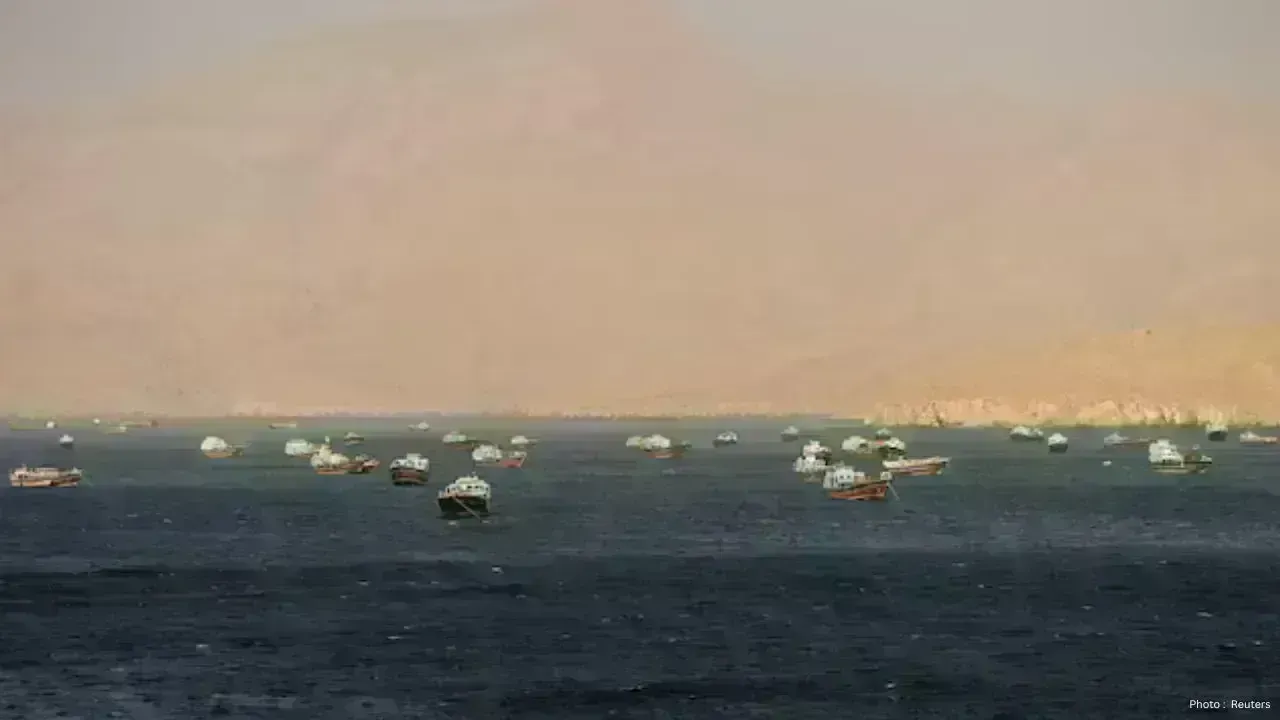
Strait of Hormuz has once again become the focus of international attention after Iran indicated that the strategic waterway will remain open for maritime traffic, though ships may face transit fees. The statement comes during a period of heightened regional tensions and growing concern over the future of global energy supplies. Because a significant portion of the world's oil and gas exports passes through this narrow route, any development involving the passage immediately attracts attention from governments, businesses, and financial markets.
The waterway connects the Persian Gulf to international shipping lanes and serves as one of the most important trade corridors in the world. Every day, millions of barrels of crude oil and other energy products travel through this passage on their way to customers across Asia, Europe, and other regions. As a result, even minor uncertainty surrounding the route can influence energy prices and market confidence.
Iran's latest position suggests that commercial shipping will continue to move through the channel despite ongoing geopolitical challenges. The proposal to allow navigation while introducing transit charges has sparked discussion among analysts and policymakers. While the announcement may ease fears of a complete closure, questions remain about how such fees would be implemented and how international shipping companies would respond.
For many countries, the most important message is that the route is expected to remain operational. A closure of the passage could have created serious disruptions for global energy markets. Oil-importing nations depend heavily on uninterrupted supplies, and any obstacle affecting transport routes can quickly influence fuel prices, industrial production, and economic stability.
The significance of the Strait of Hormuz goes far beyond the Middle East. Nations in Asia rely heavily on energy shipments passing through the channel. Major economies such as China, India, Japan, and South Korea receive large volumes of crude oil from Gulf producers. Any change in transportation conditions therefore has the potential to affect billions of people through higher costs for fuel, transportation, and manufactured goods.
Energy markets often react strongly to uncertainty. Investors closely monitor developments involving major shipping routes because supply disruptions can lead to sudden price movements. Even the possibility of restrictions can create nervousness among traders. The latest statement may help calm some of those concerns by signaling that vessels will still be allowed to transit through the strategic corridor.
However, the idea of charging transit fees introduces a new element into the discussion. Shipping companies already face significant operating expenses, including fuel costs, insurance payments, and security measures. Additional charges could increase transportation costs, which may eventually be reflected in energy prices. The extent of that impact would depend on the size of any fees and how they are applied.
The issue also raises broader questions about international maritime law and freedom of navigation. Global trade depends on open sea routes that allow goods to move efficiently between nations. Any changes affecting major waterways often become subjects of diplomatic discussions involving governments, shipping organizations, and international institutions.
Regional security remains another important factor. The Persian Gulf has experienced periods of tension in the past, leading to concerns about commercial shipping and energy exports. Maintaining stability in the area is viewed as essential for protecting global supply chains and supporting economic growth. Many countries therefore continue to support diplomatic efforts aimed at reducing conflict and encouraging dialogue.
Oil-producing states in the Gulf region are also closely watching developments. Their economies rely heavily on exports transported through this maritime corridor. Reliable access to international markets is crucial for government revenues, investment plans, and economic development projects. Any uncertainty surrounding shipping operations can affect long-term planning and business confidence.
For consumers around the world, developments in the Strait of Hormuz may seem distant, but their effects can be felt in everyday life. Changes in oil prices often influence transportation costs, electricity prices, manufacturing expenses, and the cost of goods. This is why governments and businesses closely follow events involving major energy routes.
The latest statement from Iran may provide temporary reassurance to global markets by reducing fears of an immediate disruption. Nevertheless, investors, shipping operators, and policymakers will continue monitoring the situation carefully. Stability in the region remains critical for maintaining smooth energy flows and supporting economic growth across multiple continents.
The future of the Strait of Hormuz will continue to be a key issue in international affairs because of its central role in global trade and energy security. Iran's indication that the route will remain open offers some relief to markets concerned about supply disruptions. At the same time, the discussion surrounding transit fees highlights how closely economic interests, regional politics, and maritime security are connected. As the world depends on reliable energy transportation, ensuring the safe and uninterrupted movement of goods through this vital passage will remain a priority for the international community.










Cooling Yogurt and Cucumber Soup Gains Popularity as a Nutritious Option
Experience the refreshing benefits of yogurt and cucumber soup, a light and nutritious meal perfect

Yogurt and Cucumber Soup: A Nutritious Choice for Health-Conscious Diners
Stay refreshed with this nutritious yogurt and cucumber soup, perfect for healthy eating and hydrati

Nutrient-Rich Yogurt and Cucumber Soup Gains Popularity as a Healthy Summer Choice
This yogurt and cucumber soup is a refreshing summer dish, providing hydration, nutrition, and diges

Nutritious Yogurt & Cucumber Soup Gains Popularity as a Healthy Choice
Discover the benefits of this soothing yogurt and cucumber soup, a nutritious meal perfect for hot d

Achieve Radiant Skin with This Simple Rice Flour Treatment
Transform your skincare routine! Discover how a rice flour mix can restore your skin's glow without

Meta Unveils Subscription Plans for Instagram, Facebook, and WhatsApp
Meta introduces new subscription plans for users of Instagram, Facebook, and WhatsApp, featuring enh