Post by : Vansh
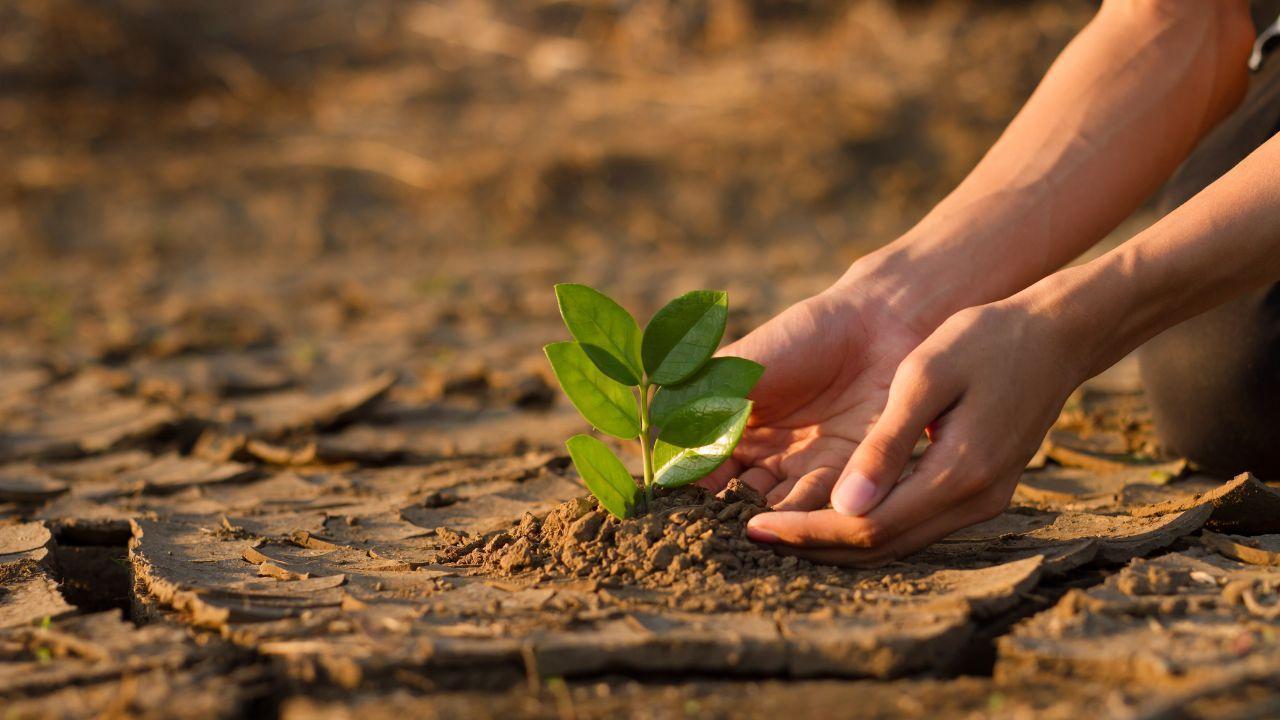
Climate change is no longer a distant problem we hear about in documentaries or science books—it's happening all around us. From the food we eat to the air we breathe, its effects are becoming more visible and personal every day. The title Earth on Edge: The Real Impact of Climate Change in Our Lives is more than just a warning—it's a call to understand what’s happening and why it matters to all of us.
Across the globe, people are already facing the consequences of rising temperatures, shifting weather patterns, and disrupted ecosystems. Let’s take a closer look at how this global crisis is affecting real lives, right now.
One of the most obvious and measurable signs of climate change is the increase in global temperatures. Summers are becoming hotter and longer. In some regions, temperatures have reached dangerous levels, causing heatwaves that are life-threatening—especially for the elderly, children, and people with health conditions.
Prolonged heat can lead to heatstroke, dehydration, and even death. Health systems are feeling the pressure, with hospitals recording more heat-related illnesses every year. Cities are now trying to adapt by creating more green spaces and cooling zones to help residents cope with the heat.
Floods, wildfires, hurricanes, and droughts are becoming more intense and more frequent. These events are not just statistics—they’re stories of lost homes, broken communities, and disrupted lives.
In recent years, floods have swept through cities, destroying homes and businesses. Wildfires have turned forests and neighborhoods into ashes. Droughts are leaving farmers without crops and families without clean water. These events are not random—they are clear signs of a changing climate.
In developing countries, where resources are limited, the impact is even more devastating. People are being forced to leave their homes, becoming “climate refugees” in search of safer, livable areas.
Climate change affects how and where food is grown. Rising temperatures and unpredictable rainfall make farming more difficult. Crops are failing due to droughts or floods, and pests and diseases are spreading to new areas due to warmer weather.
This directly affects food availability and cost. Prices of basic food items are going up, especially in places already struggling with poverty. Farmers are under immense stress, trying to adapt to new conditions without the tools or knowledge needed.
As food becomes harder to produce, everyone feels the effect at the grocery store—whether through increased prices or limited options.
Climate change also affects the quality and availability of water. Droughts are drying up rivers and lakes, while floods are contaminating water supplies. This leads to water scarcity in many parts of the world, making it harder for people to access safe drinking water.
Meanwhile, rising temperatures and pollution are making the air we breathe more dangerous. Cities with poor air quality are seeing more cases of asthma, lung disease, and other respiratory problems. Children growing up in these environments are particularly at risk.
The mental toll of climate change is also real. People who live through disasters like floods or wildfires often suffer from trauma, anxiety, and depression. Even those not directly affected feel a growing sense of fear and helplessness about the future.
Young people especially report “climate anxiety”—a deep concern about the planet they will inherit. They are worried about rising sea levels, the disappearance of wildlife, and whether it will be safe to raise families in the future.
As certain industries struggle with climate challenges, jobs are also affected. For example, farmers may lose crops due to weather conditions. Fishermen may find fewer fish as oceans warm. Tourism can drop in places hit by extreme weather or environmental damage.
On the other hand, climate change is also creating new job opportunities in renewable energy, green construction, and environmental protection. But making this transition takes time, training, and investment—which not everyone has access to.
Understanding the real-life impact of climate change is the first step. But action must follow. Individuals, communities, and governments all have roles to play.
Use less energy: Turn off lights, unplug electronics, and use energy-efficient appliances.
Drive less: Walk, bike, or use public transport when possible.
Support clean energy: Choose companies or products that use renewable energy.
Eat responsibly: Reduce food waste and consider more plant-based meals.
Stay informed and speak up: Join local climate action groups or vote for leaders who prioritize environmental protection.
Even small steps, when taken together, can make a big difference.
The information provided in this article is for general awareness and educational purposes only. While every effort has been made to ensure accuracy, readers are encouraged to consult official sources for updates on climate-related developments and environmental policies. This article is published in good faith by MiddleEastBulletin and does not constitute scientific, legal, or professional advice.







DAE Achieves Remarkable Growth in Q1 2026 With Record Revenue
Dubai Aerospace Enterprise announces impressive financial results for Q1 2026, reflecting a surge in

Price Increase for Sony PS5 in Southeast Asia Effective May 1
Sony announces a price increase for the PS5 across Southeast Asia starting May 1, 2026, impacting ga

Potential ‘Super El Niño’ in 2026: Understanding the Climate Risks
Could a Super El Niño emerge in 2026? Discover its implications and potential global climate impacts

Global Energy Crisis Intensifies: Markets React to Oil Supply Challenges
Markets are on edge as oil disruptions escalate, influencing prices and economic stability. Explore

Must-See Tourist Spots in London You Can't Overlook
Explore London's essential attractions, from royal landmarks to vibrant markets, ensuring an unforge

Ultimate Guide to Snagging Cheap Flights in 2026
Unlock the secrets to booking affordable flights in 2026 with insightful tips and strategies tailore




