Post by : Naveen Mittal
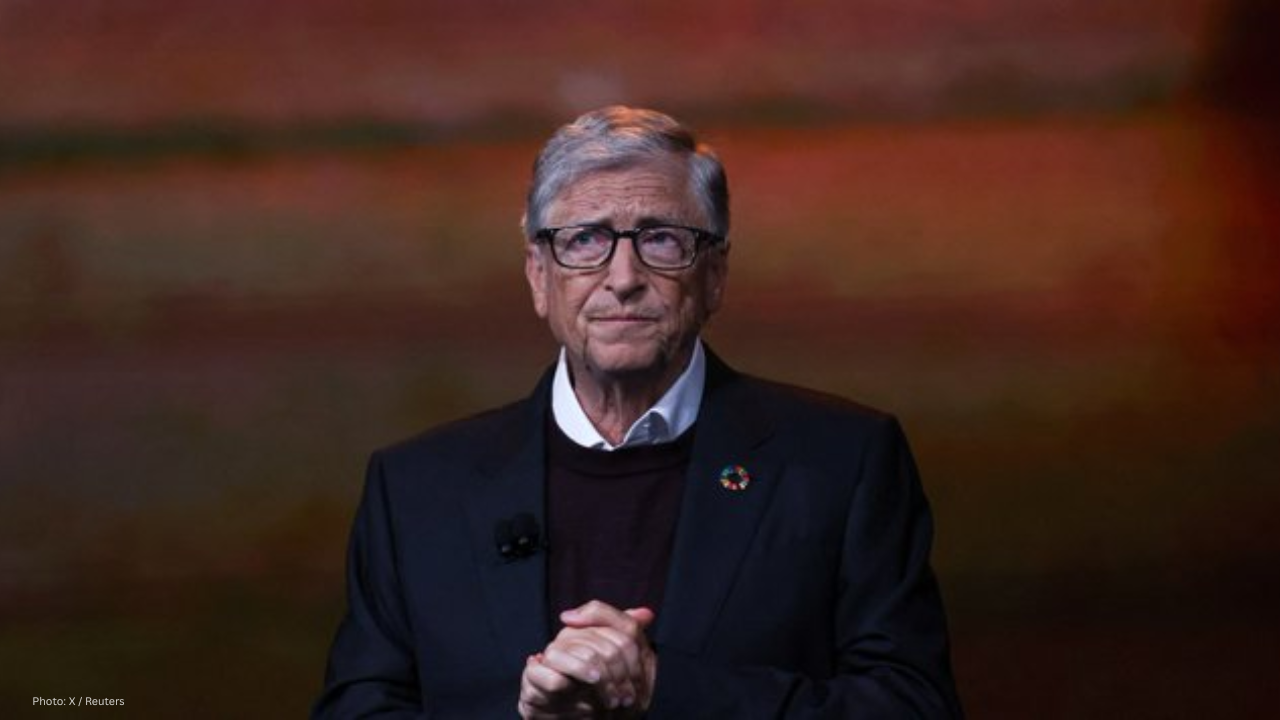
Bill Gates, co-founder of Microsoft and a leading philanthropist, announced a $912 million donation to the Global Fund to Fight AIDS, Tuberculosis, and Malaria during the annual Goalkeepers Summit. This commitment matches the foundation’s contribution from 2022, reinforcing its long-term dedication to tackling some of the world’s deadliest diseases. The announcement underscores Gates’ focus on sustaining progress against infectious diseases in low-income countries and supporting global health systems.
The Global Fund uses its resources to provide treatments, vaccines, and preventive programs that combat these life-threatening illnesses, particularly in regions where healthcare infrastructure is limited. Gates highlighted that this funding will help maintain crucial programs and ensure that millions of people continue to have access to life-saving interventions.
During his keynote speech at the summit, Gates stressed the urgent need for governments worldwide to reverse recent funding reductions in global health initiatives. He warned that without sustained support, the gains made over the past decades in combating AIDS, tuberculosis, and malaria could be reversed.
Gates particularly cited northern Nigeria as an example, where a child’s chance of surviving past the age of five remains at risk due to preventable diseases. He urged political leaders and global policymakers to prioritize health funding, emphasizing that public investment is crucial to complement philanthropic contributions. “Philanthropy alone cannot solve these global health crises,” Gates noted. “Governments must step up to ensure that children, families, and communities are protected.”
The Gates Foundation’s pledge aims to address preventable deaths among vulnerable populations, especially children in low-income countries. The funds will support vaccination campaigns, distribution of anti-malaria medications, HIV prevention programs, and initiatives to expand access to tuberculosis treatment.
In his remarks, Gates outlined that the foundation’s contributions are part of a broader global strategy to achieve the United Nations Sustainable Development Goals (SDGs) by 2030. These goals include ending poverty, improving access to healthcare, and significantly reducing child mortality rates. “Every child deserves the chance to survive and thrive,” Gates said. “We have the tools and knowledge to prevent these deaths; what we need is collective action and funding.”
Gates reaffirmed his personal commitment to philanthropy, announcing plans to donate the majority of his $200 billion fortune by 2045. He emphasized that private donations play an essential role in filling gaps left by governmental shortfalls, but they cannot fully replace public investment in health systems.
Gates also highlighted how the Global Fund leverages philanthropic contributions to attract additional investments from governments, creating a multiplier effect that enhances the reach and effectiveness of health programs. He underscored that collaboration between private foundations, governments, and international organizations is critical to sustaining long-term health improvements.
The announcement comes at a time when global health systems are facing increasing pressure from multiple fronts. Emerging infectious diseases, economic instability, and regional conflicts threaten to derail progress in public health. The Gates Foundation’s $912 million contribution is therefore both a reaffirmation of ongoing efforts and a signal to the international community about the importance of coordinated action.
Gates also drew attention to the fact that many countries have reduced their health spending, which could lead to a resurgence of diseases that were previously under control. By ensuring continued investment, the Global Fund can maintain momentum in vaccination campaigns, disease surveillance, and healthcare worker training.
With this renewed commitment, the Gates Foundation hopes to accelerate progress toward eradicating diseases like malaria and tuberculosis, while also supporting innovative approaches to combat HIV/AIDS. The funding will allow for expansion of treatment programs, investment in research for new vaccines and therapies, and reinforcement of healthcare infrastructure in vulnerable regions.
Gates concluded his address by stressing the importance of global solidarity in health. “No one is safe until everyone is safe,” he said. “When governments and philanthropists work together, we can prevent millions of deaths and create healthier futures for communities worldwide.”
Bill Gates’ $912 million pledge to the Global Fund highlights the vital role of philanthropy in global health. However, it also sends a strong message to governments: sustained public investment is essential to prevent the reversal of decades of progress. With continued collaboration, both private and public sectors can work together to end preventable deaths and create a healthier, more equitable world.








Anticipated Dates for UAE Eid Al Adha 2026 Unveiled by Astronomical Experts
Experts predict Eid Al Adha 2026 in the UAE to start on May 27, prompting early holiday planning amo

DAE Achieves Remarkable Growth in Q1 2026 With Record Revenue
Dubai Aerospace Enterprise announces impressive financial results for Q1 2026, reflecting a surge in

Price Increase for Sony PS5 in Southeast Asia Effective May 1
Sony announces a price increase for the PS5 across Southeast Asia starting May 1, 2026, impacting ga

Potential ‘Super El Niño’ in 2026: Understanding the Climate Risks
Could a Super El Niño emerge in 2026? Discover its implications and potential global climate impacts

Global Energy Crisis Intensifies: Markets React to Oil Supply Challenges
Markets are on edge as oil disruptions escalate, influencing prices and economic stability. Explore

Must-See Tourist Spots in London You Can't Overlook
Explore London's essential attractions, from royal landmarks to vibrant markets, ensuring an unforge




